Three Natural Materials, One Factory
Every product we make replaces a plastic alternative. Choose your material — we handle the rest from sample to shipment.
Choose Your Material
Each material has unique properties that suit different brand positioning, price points, and product types. All are available with full OEM customization.
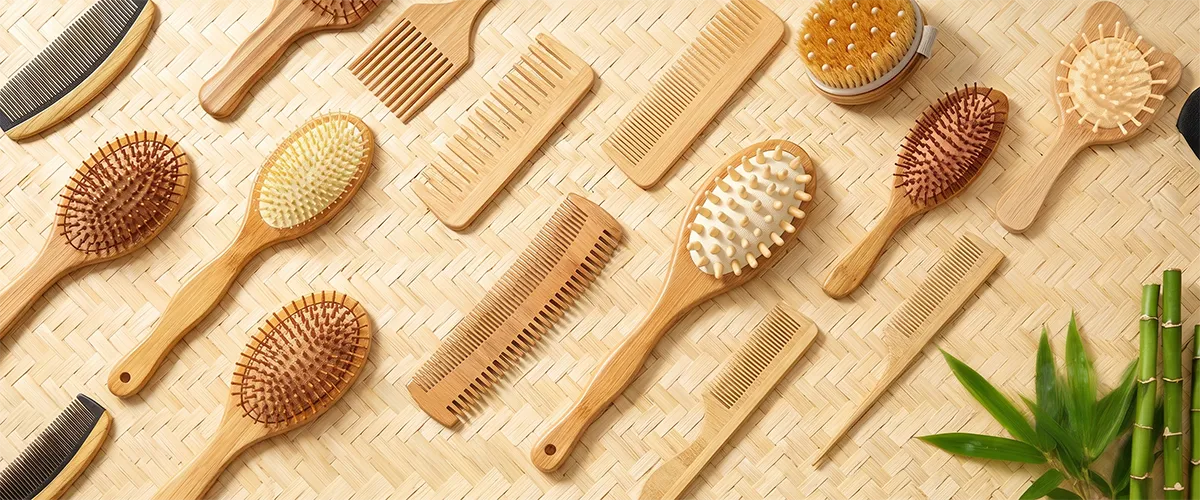
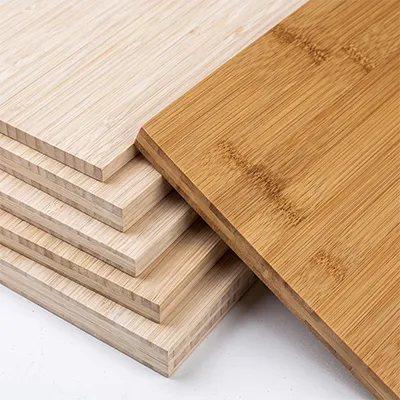 Bamboo
Lightweight, antibacterial, and 100% biodegradable. Our FSC-certified bamboo brushes and combs are the perfect plastic-free choice for eco brands.
- ✓ Biodegrades in 2–3 years
- ✓ FSC & GRS 4.0 certified
- ✓ Flexible MOQ — ask us
- ✓ Best for: brushes, combs

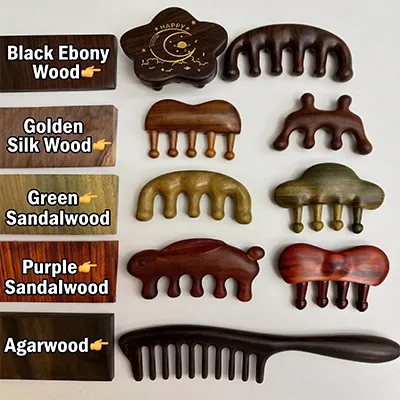 Wood
Wood
Sandalwood, peachwood, and premium hardwoods. Hand-polished to perfection — anti-static, naturally aromatic, and built to last a lifetime.
- ✓ Natural anti-static properties
- ✓ Unique grain pattern per piece
- ✓ Flexible MOQ — ask us
- ✓ Best for: combs, brushes
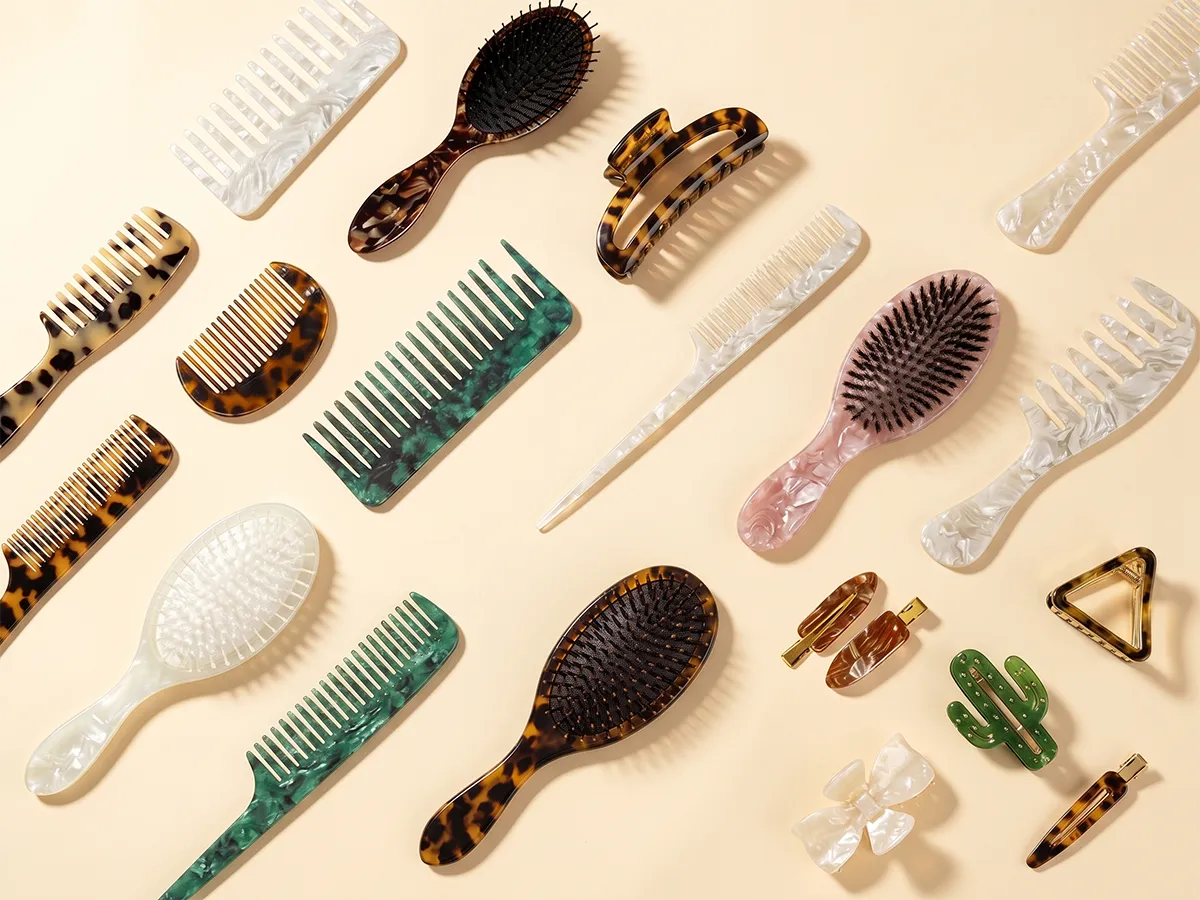
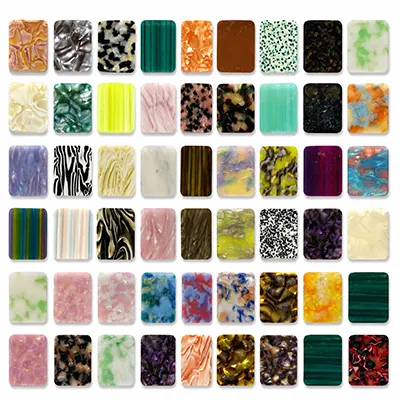 Cellulose Acetate
Plant-based luxury. Stunning tortoiseshell and marble patterns — hand-polished to a deep gloss. No petroleum plastics, no compromise on style.
- ✓ Made from wood pulp & cotton
- ✓ GRS 4.0 & BRCGS certified
- ✓ MOQ 1,000 pcs per design (500 pcs for clips)
- ✓ Best for: clips, barrettes, combs
Which Material Fits Your Brand?
A 30-second guide based on 25+ years of manufacturing for brands in 50+ countries.
You're building a fashion or luxury line. Unlimited patterns and colorways, premium hand-feel, and the highest perceived retail value. Claw clips and barrettes are the fastest-moving SKUs.
Fits: fashion brands · luxury retail · boutique labelsYou sell premium gifts or natural hair care. Sandalwood aroma, one-of-a-kind grain, and anti-static performance give each piece an artisan story customers pay more for.
Fits: gift market · premium care brands · salonsYou want the most accessible plastic-free option. Lightweight, naturally antibacterial, and budget-friendly — the easiest entry point for eco-conscious product lines.
Fits: eco brands · hotels & spas · zero-waste shopsMaterial Comparison Guide
Compare key properties side by side — MOQ, lead times, pricing tier, and certifications.
| Property | Bamboo | Wood | Acetate |
|---|---|---|---|
| MOQ | Varies by product | Varies by product | 1,000 pcs (500 for clips) |
| Sample Lead Time | 10–15 days | 10–15 days | 15–20 days |
| Bulk Lead Time | 25–30 days | 25–30 days | 25–45 days |
| Price Point | Budget – Mid | Mid – Premium | Premium – Luxury |
| Biodegradable | ✓ Yes | ✓ Yes | ✓ Yes (industrial) |
| Custom Colors | Painted / Natural | Stained / Natural | Full Color & Pattern |
| Logo Options | Laser, Branding, Silk Screen | Laser, Branding, Silk Screen | Ink-Fill, Silk Screen |
| Key Certification | FSC, GRS 4.0 | FSC, BSCI | GRS 4.0, BRCGS |
From Source to Shelf — Fully Traceable
Sustainability claims are only as good as their paper trail. Here's how every material is verified from origin to your warehouse.
Certified Sourcing
Bamboo and wood from FSC-managed forests; acetate sheet from GRS-verified suppliers. No mystery materials, ever.
In-House Production
CNC cutting, hand polishing, and assembly all inside our own 10,000m² facility — one factory, full quality control.
Chain-of-Custody Docs
FSC CoC and GRS transaction certificates available on request — ready for your ESG reporting and retailer audits.
Plastic-Free Packaging
Kraft boxes, cotton pouches, and bamboo tubes — recyclable or biodegradable options so the packaging matches the product.
Material Science, in Plain English
The questions buyers and end customers ask most about our materials — answered honestly, by the people who work with them every day.
What Is Cellulose Acetate?
Cellulose acetate is a semi-synthetic material made from plant cellulose — wood pulp or cotton linters — treated with acetic acid. It has been the material of choice for premium eyewear frames and luxury accessories since the 1920s. Unlike ABS, acrylic, or resin, it starts from a renewable plant source rather than petroleum, and it is worked as a solid sheet: carved, polished, and shaped rather than injection-molded. That is why acetate pieces have a depth of pattern and a warm hand-feel that molded plastic cannot replicate.
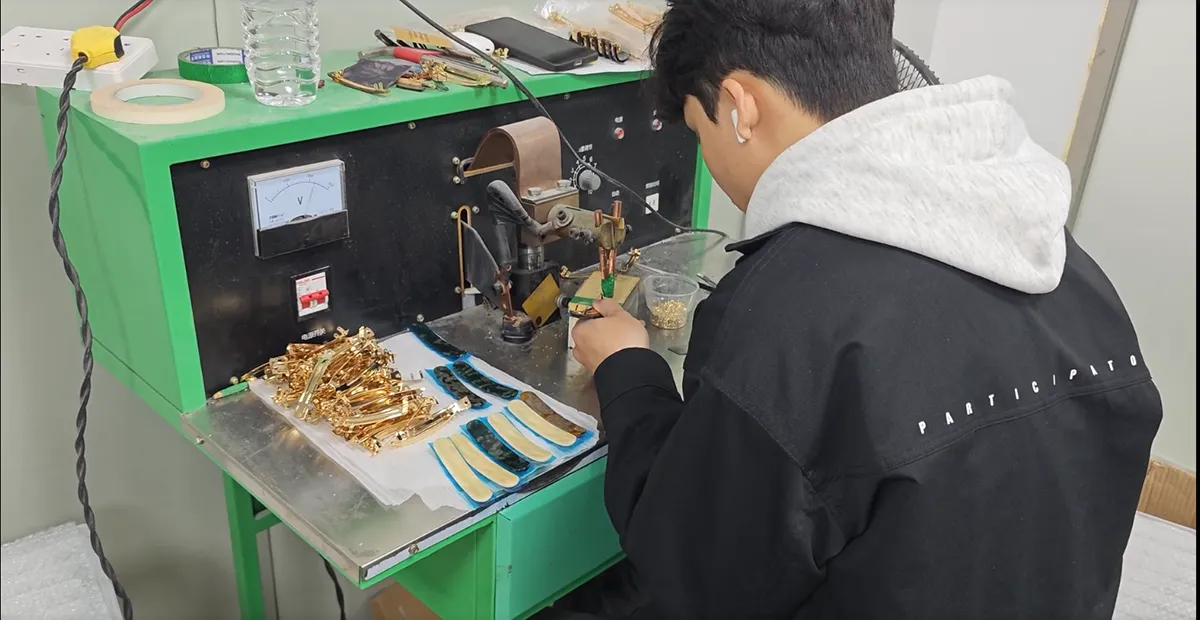
Is Cellulose Acetate Plastic?
Technically it belongs to the plastics family — but with a fundamental difference in origin. Conventional plastic hair accessories are made from petroleum; cellulose acetate is made from plants. For brands, this is the practical takeaway: acetate lets you offer plastic-free hair clips and claw clips in the marketing sense your customers care about — free of petroleum plastics — while keeping the durability and vivid patterns that make the products sell.
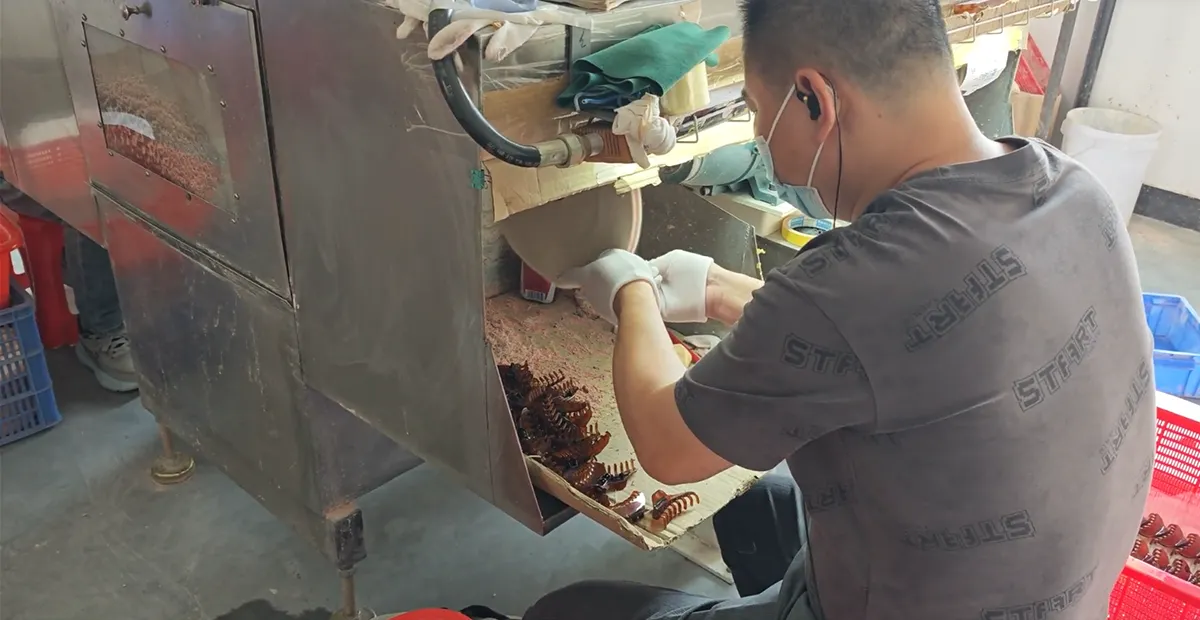
Is Cellulose Acetate Biodegradable?
Cellulose acetate breaks down significantly faster than petroleum plastics, which persist for centuries. Under industrial composting conditions it biodegrades within a few years, and research on plasticizer-free acetate shows continued improvement. We source our sheets from GRS-verified suppliers and provide the documentation for your ESG reporting — we would rather give you an honest, defensible claim than an inflated one your retailers can challenge.
Acetate vs Wood Comb: Which Should You Choose?
Both are excellent plastic-free choices — the decision is about brand positioning. The benefits of a cellulose acetate comb: unlimited colors and patterns, a glossy fashion-forward look, hypoallergenic, and easy to match to a brand palette. The benefits of a sandalwood comb: natural aroma that lasts for years, anti-static performance, a gentle scalp massage from hand-rounded teeth, and an artisan story customers pay a premium for. Fashion and luxury lines usually go acetate; natural care and gift lines usually go wood. Many of our clients run both.
Wood vs Plastic Comb: Why Buyers Are Switching
Put a wooden comb vs a plastic comb side by side and the differences are immediate: plastic generates static that causes frizz and flyaways, while wood glides through hair without a charge. Plastic teeth are molded with seam lines that snag; wooden teeth are cut, rounded, and polished individually. A plastic comb is disposable; a well-made wooden comb lasts years and ages beautifully. And at end of life, wood biodegrades while plastic persists in landfill for centuries. For retailers, that is a product story that justifies a higher price point.