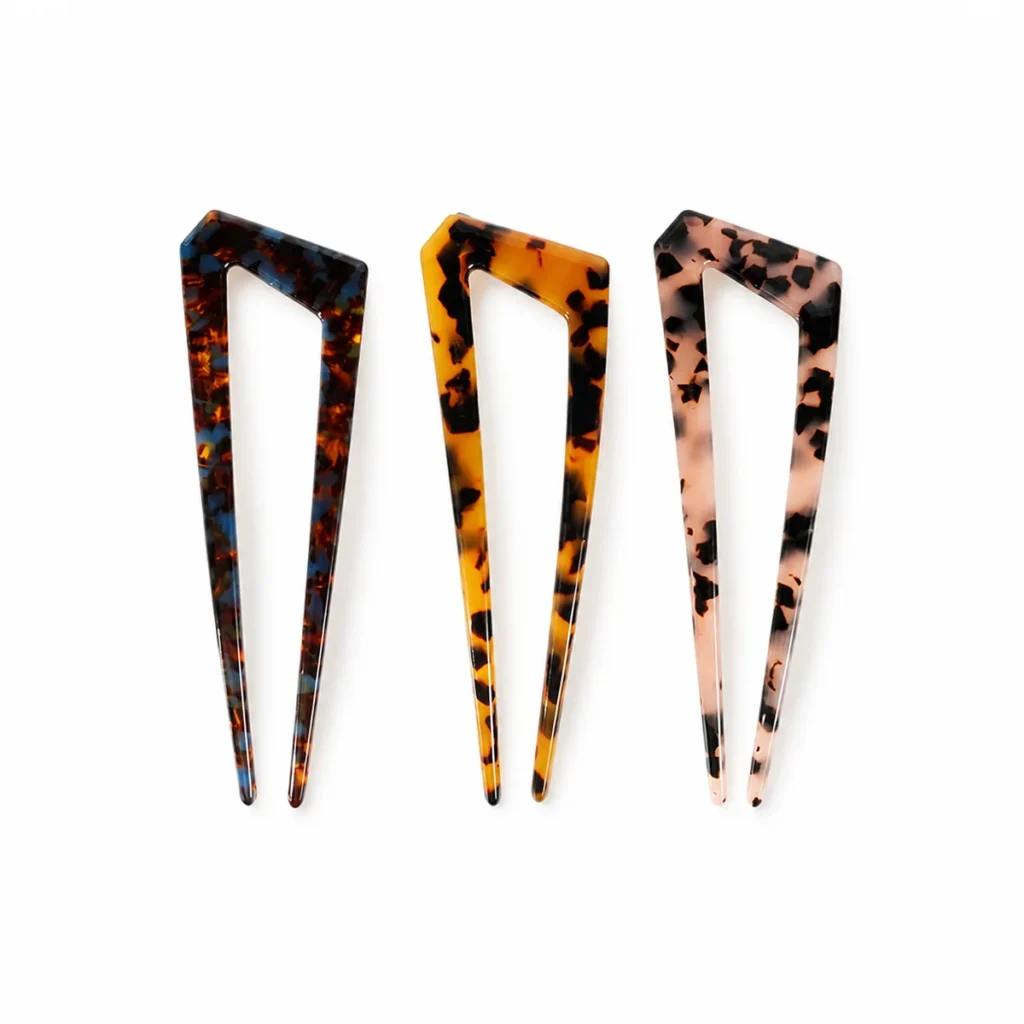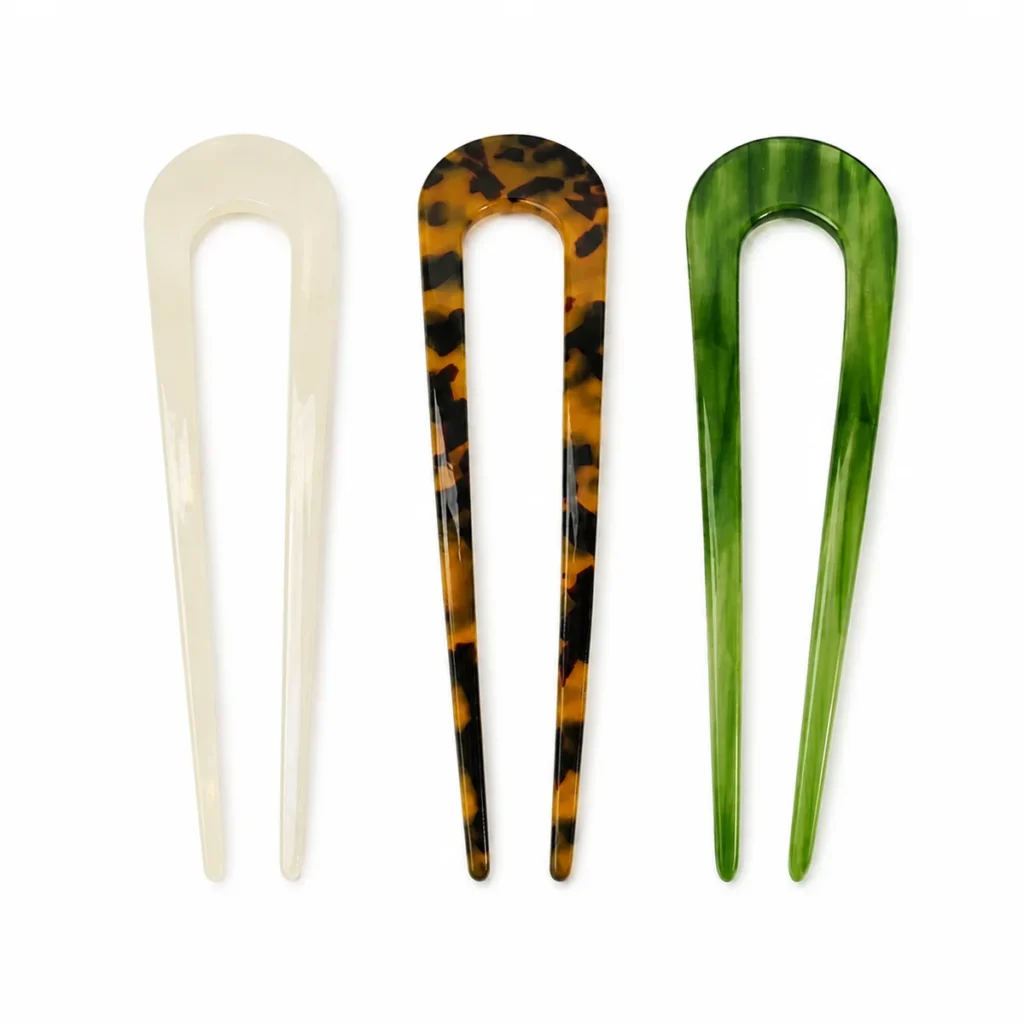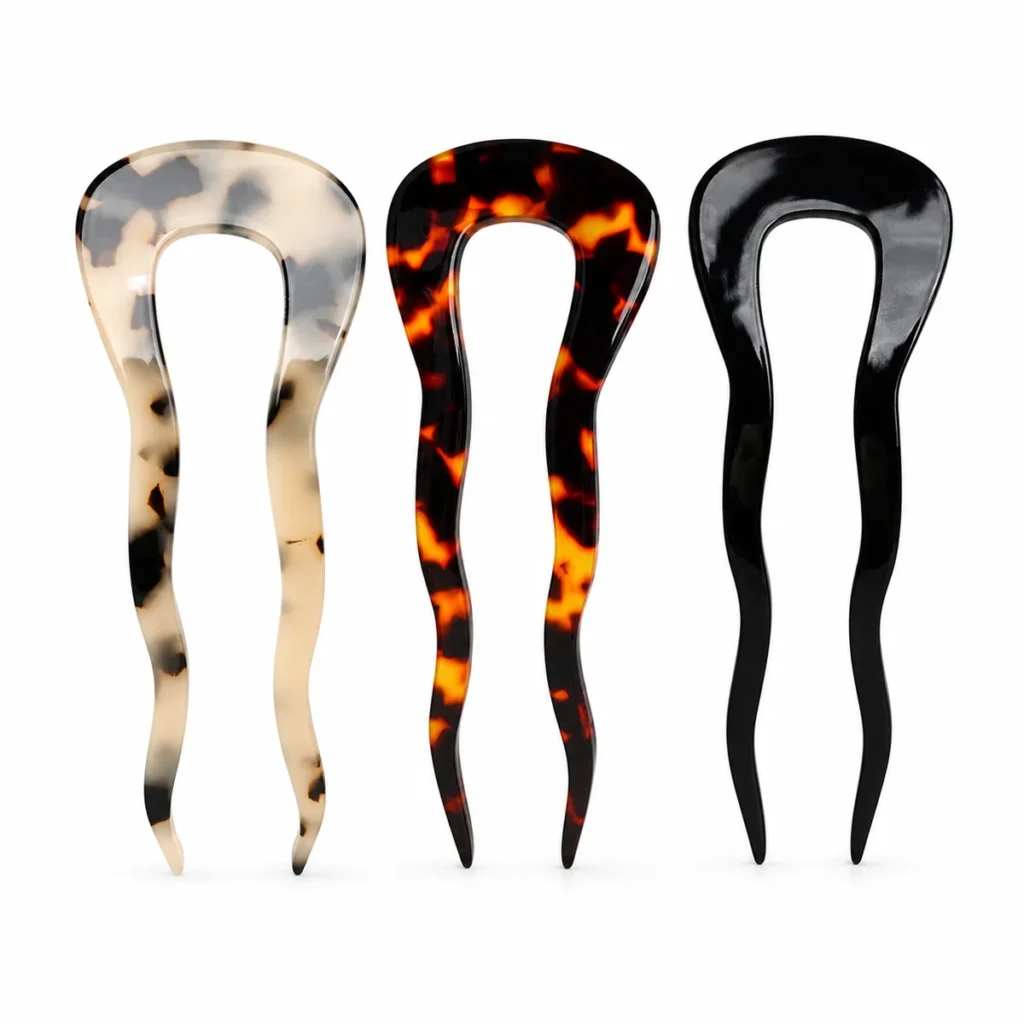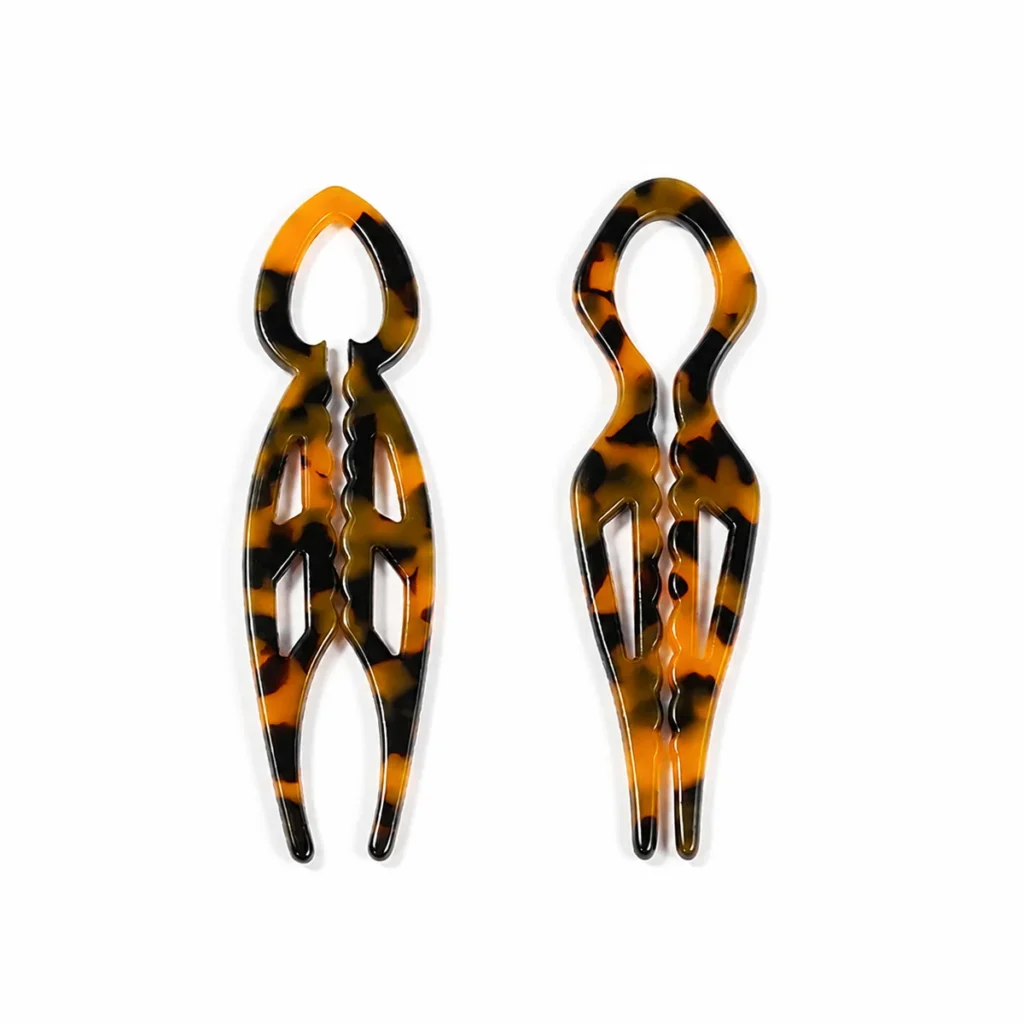
“Is cellulose acetate biodegradable?” is the single most common sustainability question we get from brands, and it is usually asked with a marketing claim already half-written. The honest answer is more useful than the one people are hoping for: cellulose acetate is plant-derived and it is biodegradable under the right conditions — but it is not home-compostable, and it will not break down meaningfully in a landfill or in the sea.
That distinction matters commercially, not just ethically. Green claims rules in the EU and guidance from the UK CMA and the US FTC now treat an unqualified “biodegradable” on a product like this as misleading. Retail buyers increasingly ask for substantiation before they list. This article sets out what the material actually is, what you can defensibly say about it, and where the fastest genuine environmental wins are in a hair accessory programme.
What Cellulose Acetate Is Made From
Cellulose acetate starts as cellulose — purified wood pulp or cotton linter, both renewable feedstocks. The cellulose is reacted with acetic acid and acetic anhydride to produce cellulose acetate flake, which is then plasticised and pressed into the sheet we carve. Unlike ABS, polypropylene or acrylic, none of the base material comes from petroleum.
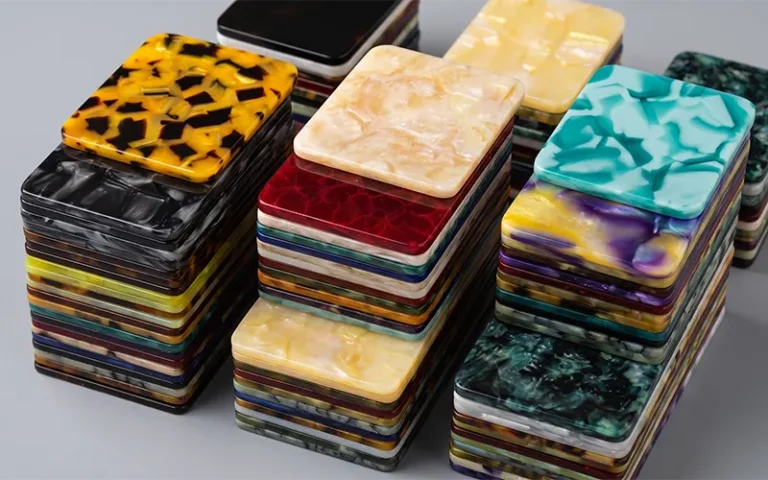
The important nuance: chemical modification is what makes it usable, and it is also what slows biodegradation. The degree of substitution — how much of the cellulose has been acetylated — governs how readily microbes can attack it. Lower substitution degrades faster; the higher substitution used for durable, water-resistant hair accessories degrades more slowly. Plasticiser content affects it too. So “made from plants” and “returns to nature quickly” are two different claims, and only the first is straightforwardly true.
The Honest Answer on Biodegradability
Here is what the evidence supports, stated the way we would want a supplier to state it to us:
| Environment | What actually happens |
|---|---|
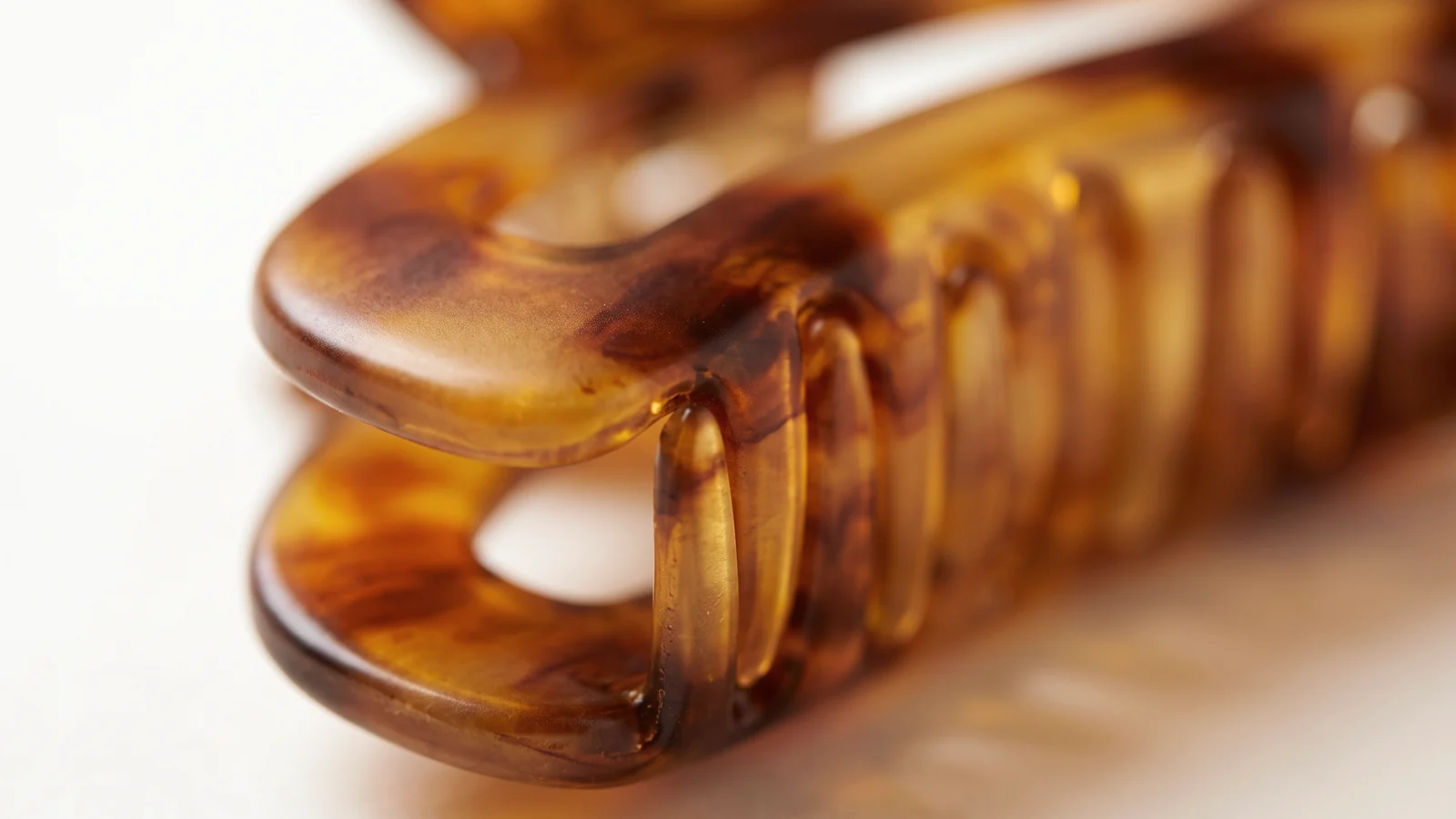
| Industrial composting (high heat, managed microbial activity) | Degrades over months. This is the condition under which acetate’s biodegradability is normally demonstrated. |
| Home compost bin | Not reliably. Do not make this claim. |
| Landfill | Very slow. Landfills are designed to suppress decomposition — little oxygen, little moisture. |
| Marine / freshwater | Slow and incomplete. Acetate cigarette filters persisting in the environment are the well-documented example. |
So acetate is a genuine improvement on petroleum plastic on feedstock and on end-of-life potential. It is not a licence to say “biodegradable” without qualification, and any supplier who encourages you to print that on a backer card is creating a liability that lands on your brand, not theirs.
Claims You Can Actually Defend
Specific, qualified claims survive scrutiny. Vague ones do not. Practical substitutions:
| Avoid | Use instead |
|---|---|
| “Biodegradable” | “Made from plant-based cellulose acetate” |
| “Eco-friendly” / “green” | “Plastic-free packaging, FSC-certified paperboard” |
| “100% natural” | “Derived from renewable wood pulp” |
| “Compostable” | Only with a certification number, and only for the component it covers |
| “Sustainable” | Name the specific attribute you can evidence |
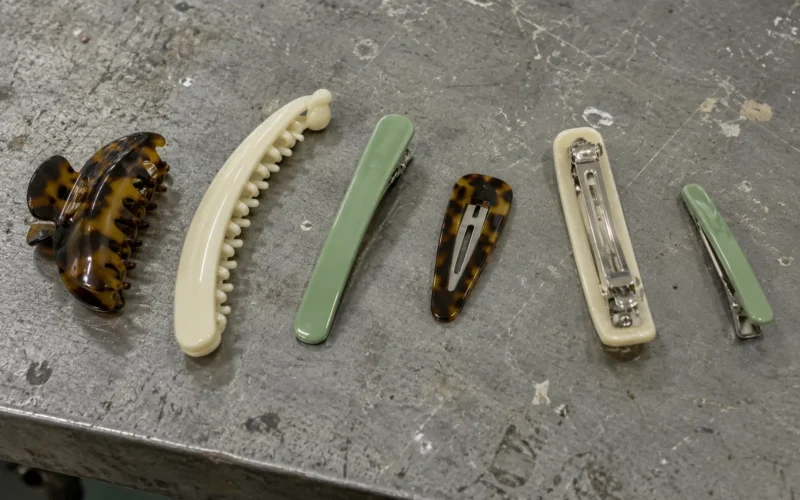
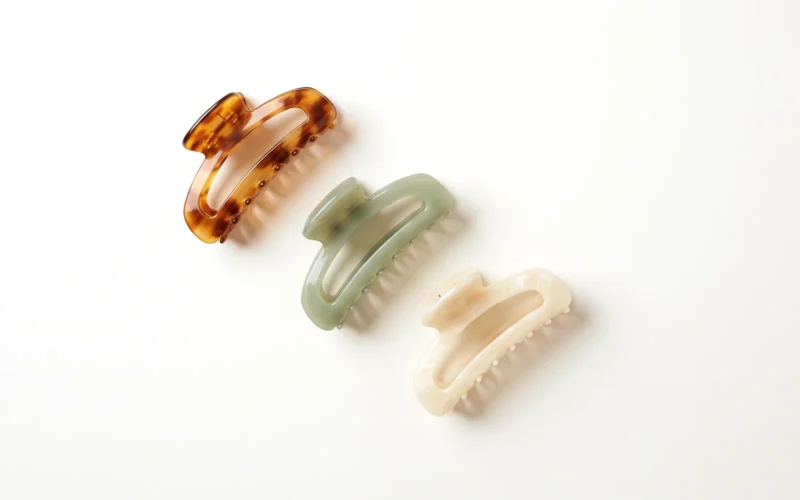
One rule covers most cases: if a claim covers the whole product, make sure it is true of the whole product. A claw clip with a steel spring is not compostable, whatever the body is made of. A brush with nylon bristles is not plant-based, whatever the handle is made of. Claims should be attached to the component they describe.
Certifications Worth Asking For
Ask for the certificate itself, with a number you can verify, and check that the scope covers the material you are buying rather than something else the supplier sells.
- FSC — chain of custody for wood and bamboo. The strongest, most verifiable claim available in this product category.
- GRS / RCS — recycled content, where a recycled input is used.
- REACH and Prop 65 — substance compliance for EU and California. Not a green claim, but a market-access requirement.
- EN 71-3 / nickel release — relevant wherever metal parts contact skin, and required for children’s ranges.
We keep our documentation on the certifications page and will share full certificates on request. A supplier who sends a logo instead of a certificate is showing you something meaningful.
Where the Real Wins Are
1. Packaging — fastest and most visible
Packaging is where a brand can make an unambiguous, immediately true claim. Switching from a polybag and blister to FSC paperboard, paper tape and soy-based inks costs little, needs no change to the product, and is verifiable. It is also what the customer physically handles first.
2. Choose wood or bamboo where the product allows
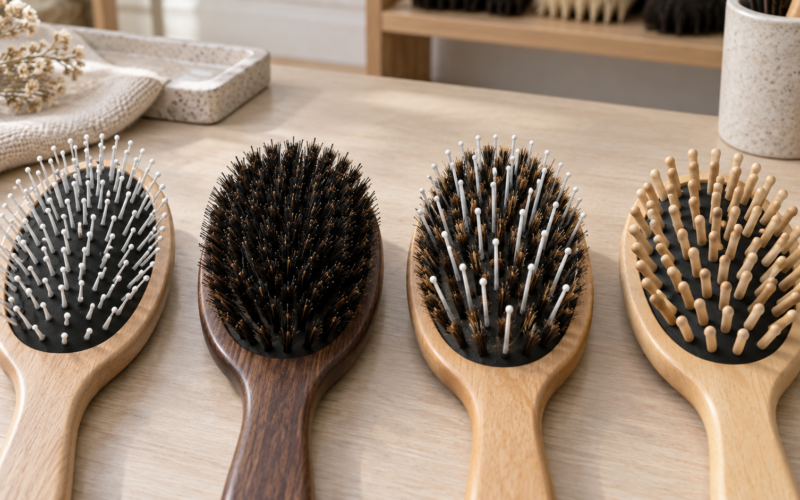
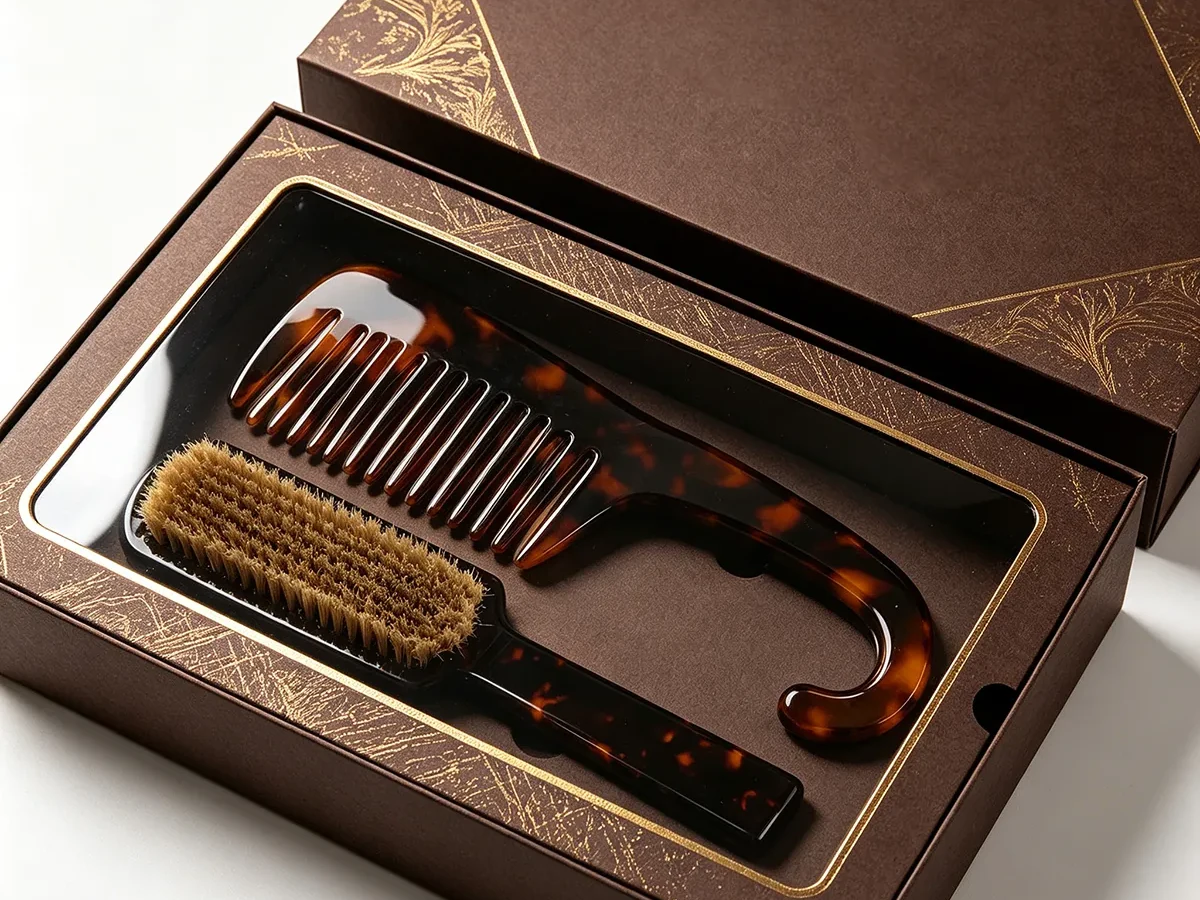
For brushes and combs, FSC-certified beechwood and bamboo give you a stronger and simpler environmental story than any polymer, acetate included. Bamboo in particular regrows in a few years without replanting. Our bamboo cushion brush with wooden pins is fully plant-based including the pins, and the wooden pocket comb is a single material with no hardware at all — which makes the end-of-life claim trivially easy to state.
Where a product genuinely needs acetate’s colour depth, spring memory or water resistance, use acetate and describe it accurately. See the materials comparison for how the three compare on performance, or the bamboo and wooden comb ranges directly.
3. Design for durability
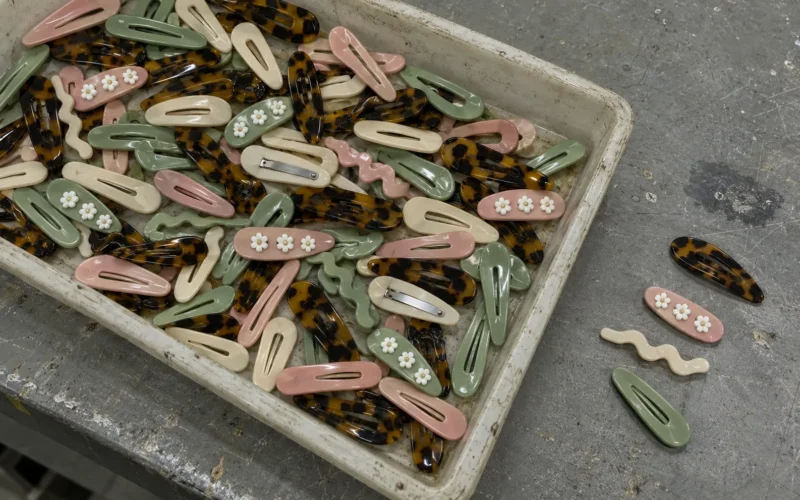
The least discussed and most effective lever. A clip that lasts five years displaces several disposable ones, and nothing in a lifecycle assessment beats not manufacturing a replacement. This is where acetate is legitimately strong: the colour runs through the material rather than sitting on it as a coating, so the surface can be re-polished rather than wearing through. The manufacturing process — days of barrel polishing instead of a sprayed finish — is what makes that possible.
4. Order quantities you will actually sell
Unsold inventory that ends up liquidated or destroyed carries the full environmental cost of production with none of the use. This is a reason to treat low minimums as a sustainability tool rather than only a cash-flow one — 500 pieces of a design that sells beats 5,000 of one that does not.
A Short Checklist Before You Print Anything
- Does every claim name a specific attribute rather than a general virtue?
- Is each claim true of the component it appears next to, including hardware and bristles?
- Do you hold the certificate — the document, with a verifiable number — for every certified claim?
- Have you avoided “biodegradable”, “compostable” and “eco-friendly” as unqualified words?
- Would the claim survive a buyer asking “how do you know?”
None of this makes sustainability a weaker selling point. Specific, evidenced claims are more persuasive to trade buyers than sweeping ones, and they do not have to be withdrawn later. If you are working through material choices for a range, tell us what you need to be able to claim and we will tell you honestly which materials and certifications will support it.
Acetate Hair Pins and Forks We Make