Tooling is the line on a quotation that buyers most often misread. It is quoted once, paid once, and then disappears from the conversation — which is exactly why it ends up costing more than anyone planned. The number itself is rarely the problem. The problem is not knowing how many tools your product actually needs, and not asking who owns them once you have paid.
This page covers when you need tooling at all, what it costs, why component count multiplies the bill, and the one question you should get answered in writing before any tooling deposit leaves your account.
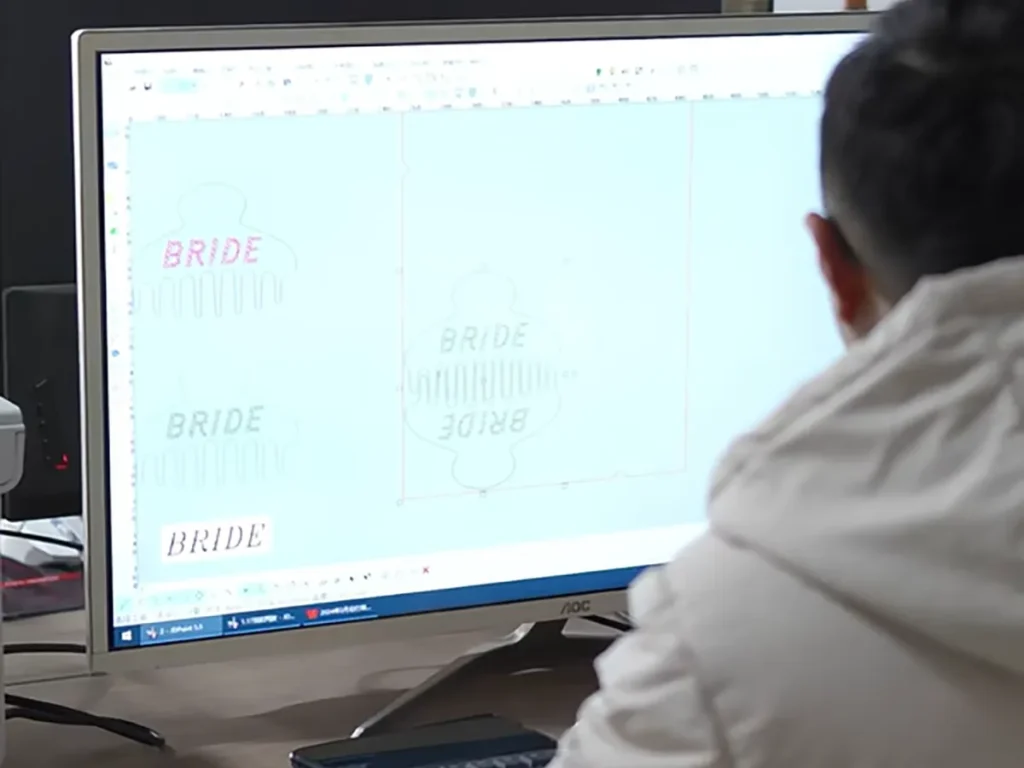
The First Question Is Whether You Need a Mould at All
Two hair clips can look identical and sit on completely opposite sides of this question, because the material decides the process.
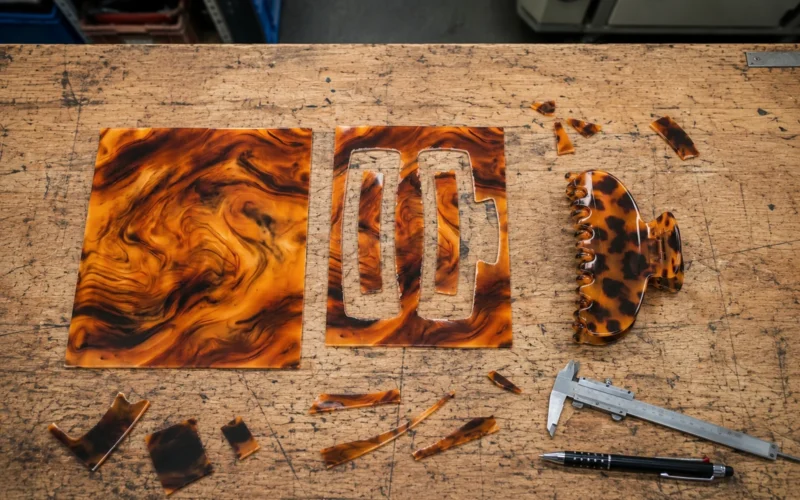
Cellulose acetate is a subtractive process, so it needs no injection tooling. Acetate arrives as pressed sheet with the pattern already built into the body of the material. Making a clip means taking material away — blanks are die-cut or CNC-routed out of the sheet, then shaped, tumbled and polished. A new shape means a new cutting profile, not a steel injection mould.
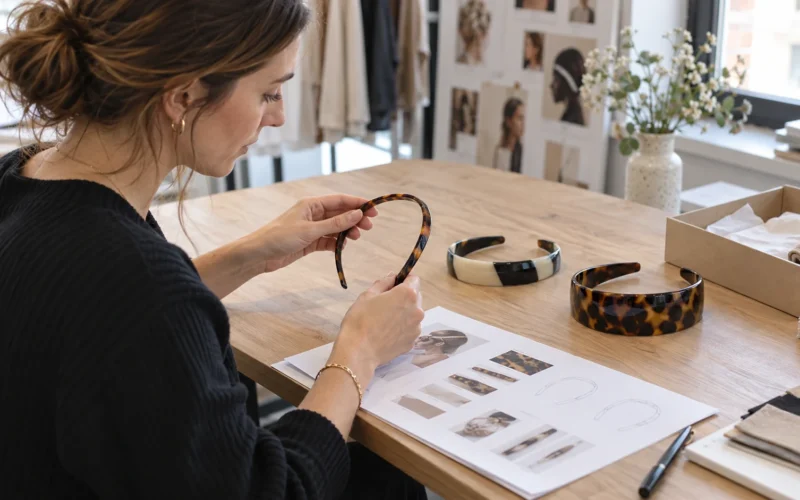
That does not mean zero tooling. A cutting die is still made, and curved products such as wide headbands need a forming mould to heat-set the shape. But both sit at a small fraction of the cost and lead time of an injection tool, which is why an acetate programme can launch a new shape without a five-figure commitment.
Injection moulding is an additive process, so the tool is unavoidable. Plastic arrives as pellets with no shape and no colour of its own. Everything the finished part will ever be — its geometry, its wall thickness, its surface texture — has to be cut into steel first. Nothing can be produced until that tool exists, and any change to the part means changing the steel.
This single difference drives most of the cost gap between the two materials. We break the rest of it down in our comparison of acetate versus plastic hair clips.
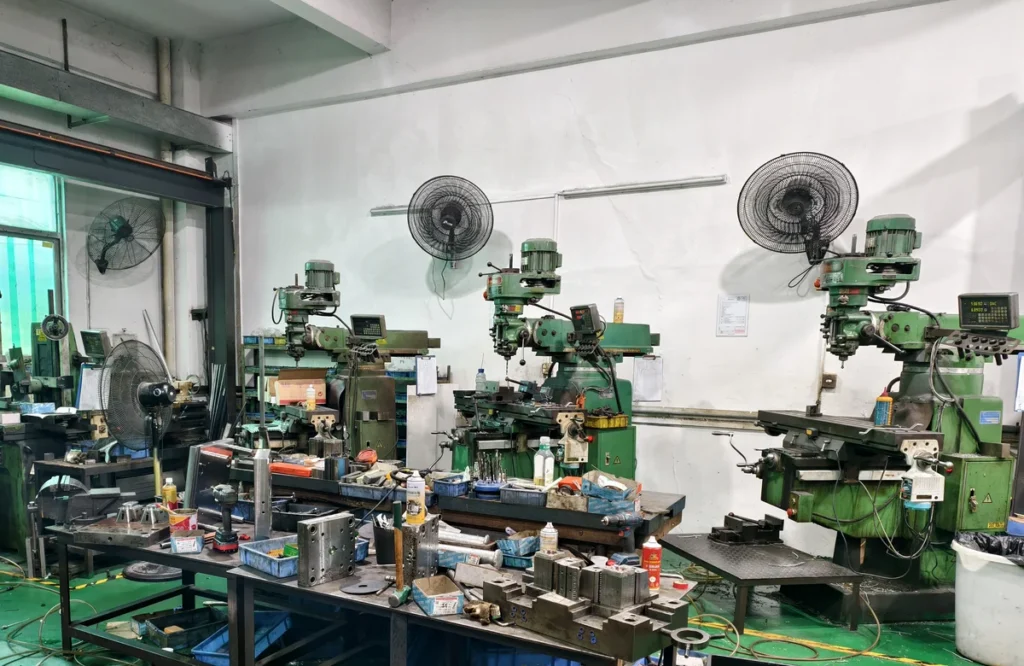
What Tooling Costs
| Tooling type | Indicative cost | What it applies to |
|---|---|---|
| Cutting die (acetate) | A small fraction of an injection tool | Any new acetate shape cut from sheet |
| Forming mould (acetate) | Low, quoted per shape | Curved parts such as wide headbands that are heat-set |
| Straightforward injection mould | Approx. USD 4,200–5,600 (RMB 30,000–40,000) | One moulded component, conventional geometry |
| Complex injection mould | Quoted only from a 3D file | Multi-slide actions, undercuts, tight tolerances, family tools |
The injection figure is the cost of one mould, not of a project. Read the next section before you budget from this number. On anything complex we will not quote from a photograph. Geometry that looks simple from the outside can require side actions or a multi-cavity layout that doubles the tool cost, and a number produced by guessing is a number that gets revised upward later. Send a 3D file and you get a real figure; send a photo and you should be suspicious of anyone who gives you one immediately.
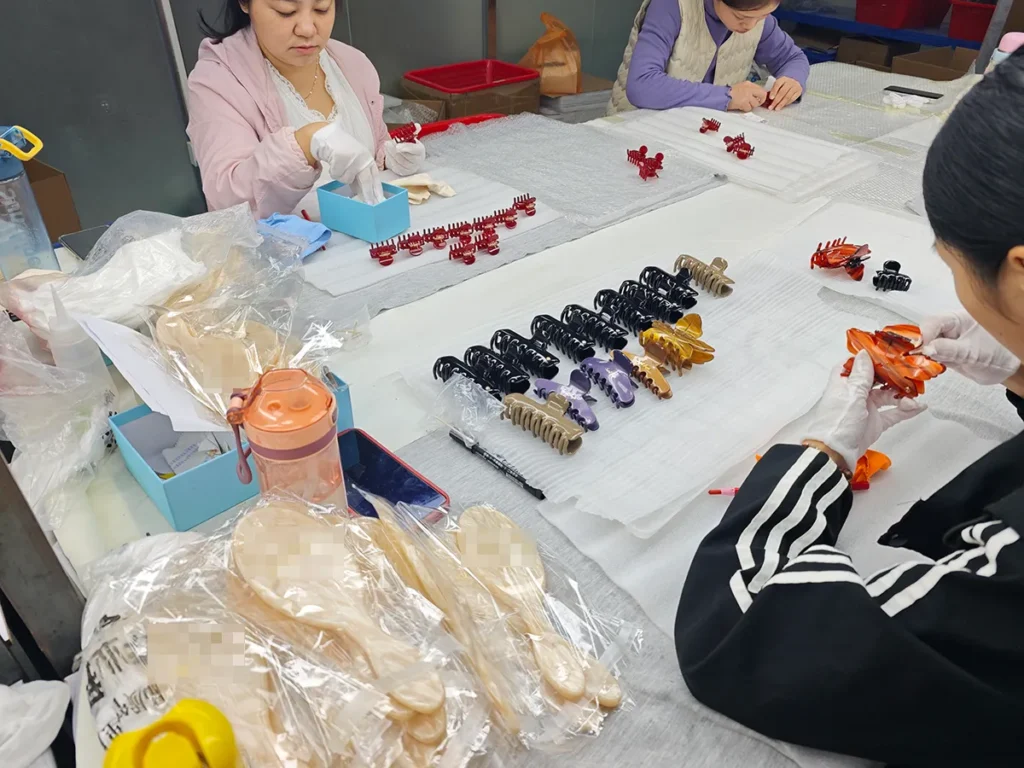
One Product Is Not One Mould
This is the single most expensive misunderstanding in tooling, and it follows directly from a question most buyers never ask: how many separate components is this product made from?
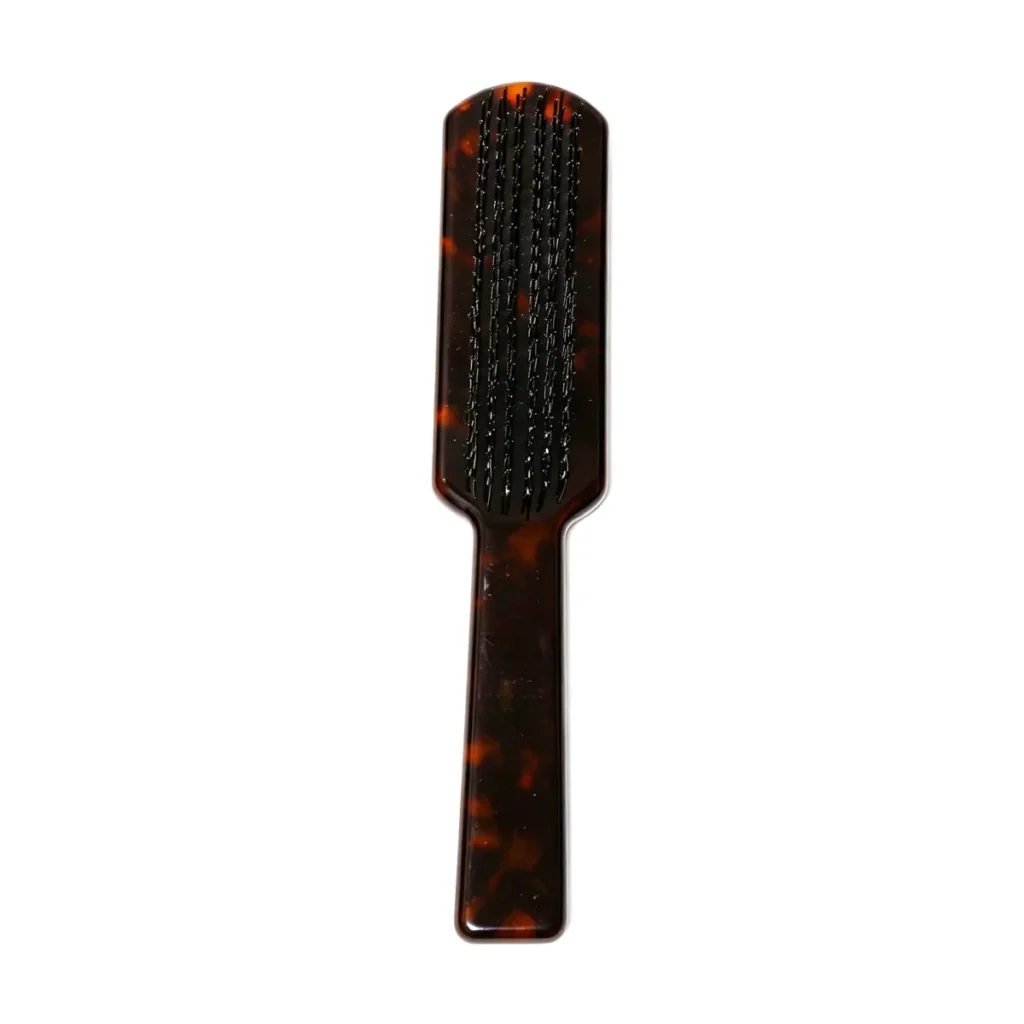
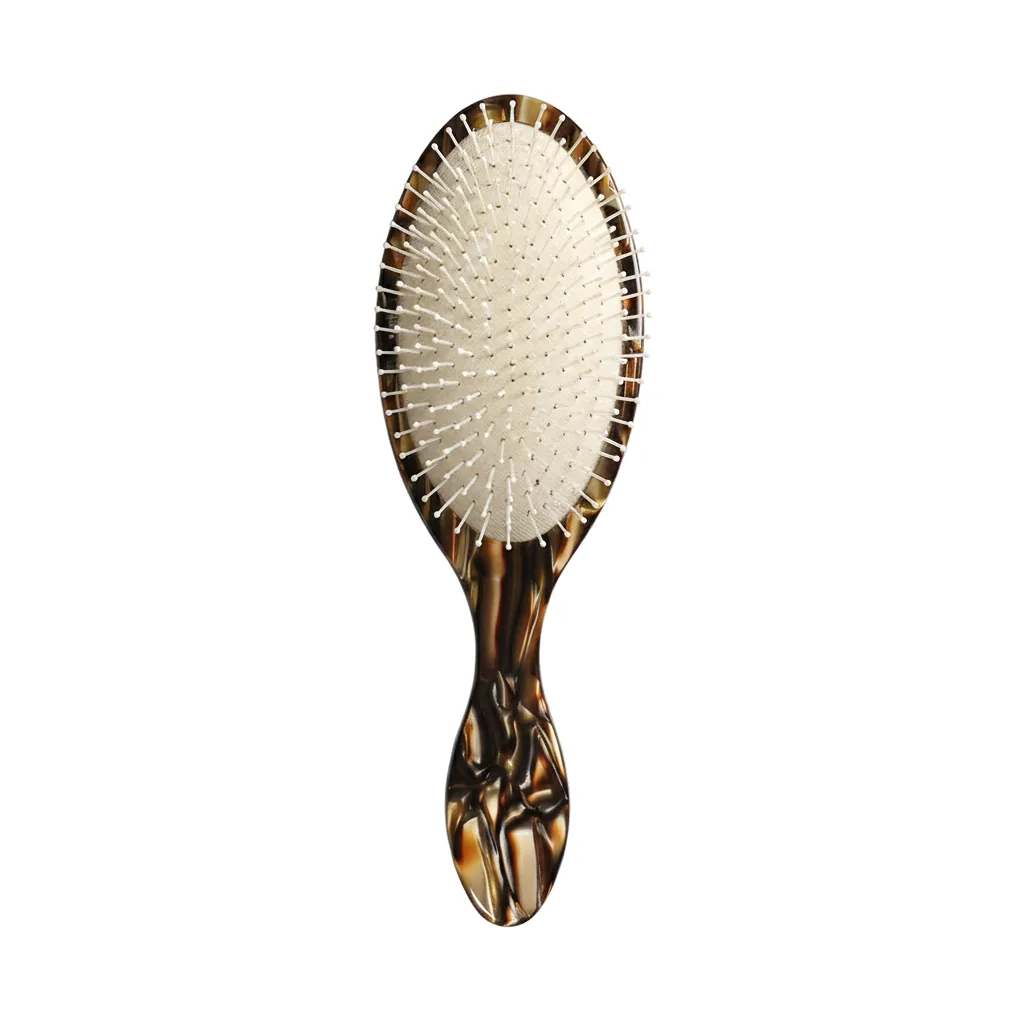
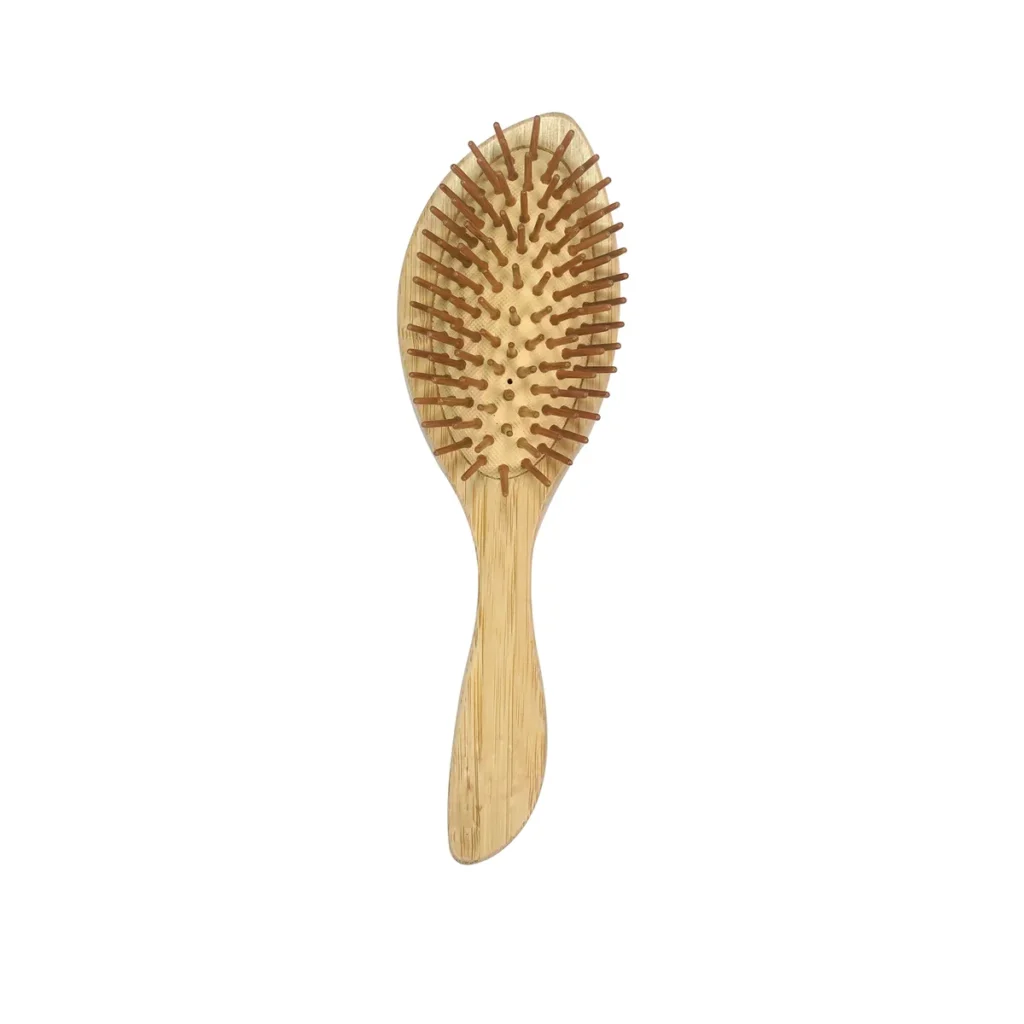
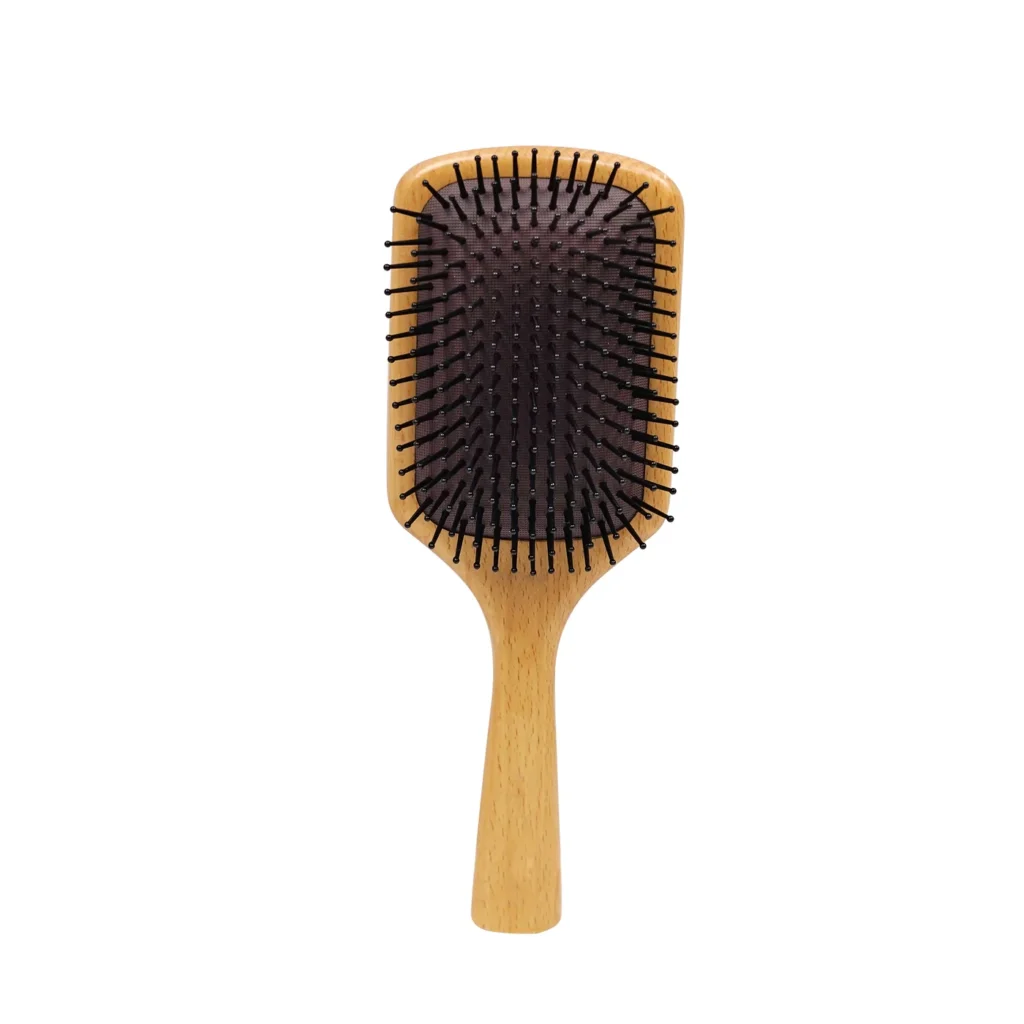
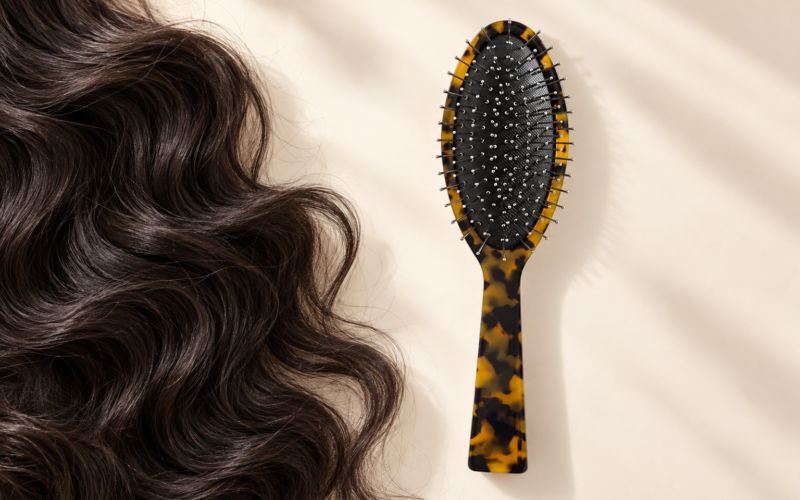
A moulded product needs a tool for every moulded part. A brush that appears to be one object might be a body, a cap, and a cushion plate — three tools, not one. Two suppliers quoting the same-looking product can be quoting three tools against one, and the gap will look like a margin difference when it is actually a design difference.
So the tooling budget is not the figure in the table above. It is that figure multiplied by the number of moulded components — a number you should establish before you compare a single quotation. This is one of the three specifications we see skipped most often; the other two are covered in our guide to sampling and sample approval.
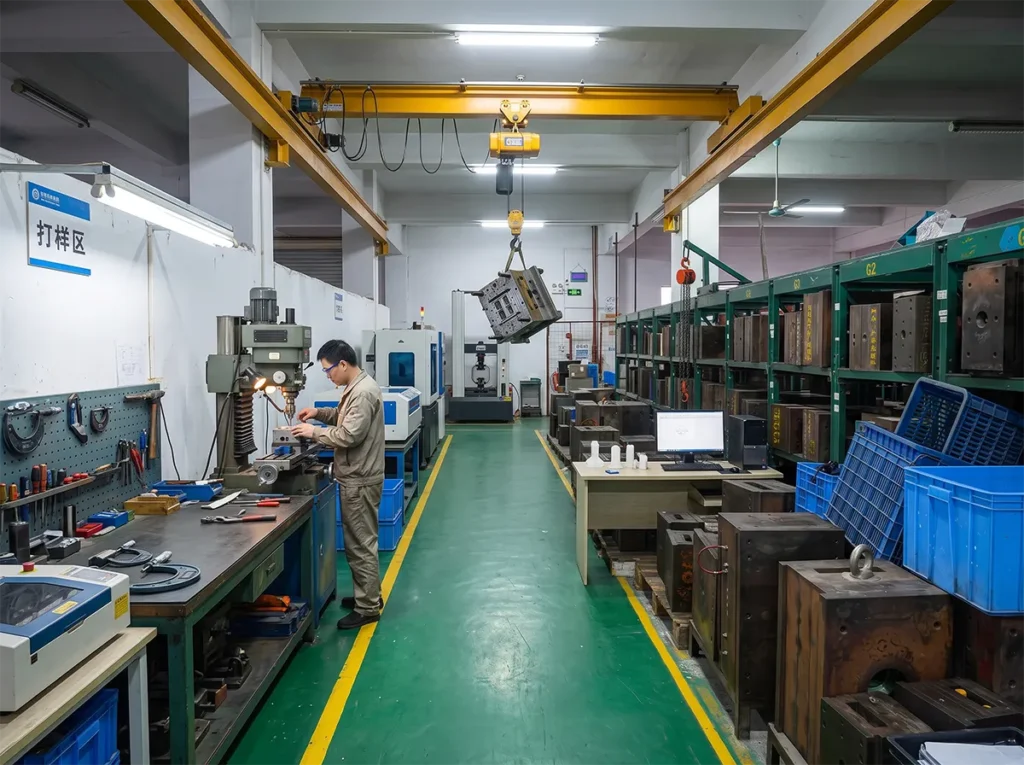
Who Owns the Mould You Paid For
If you pay for the tooling, the tooling is yours. It is held here and used exclusively for your orders. It does not get quietly reused for another brand with a different logo on the carton.
Get this in writing before the tooling deposit is paid, and be wary of any answer that avoids the word exclusive. The phrasing to watch for is a supplier who confirms that you own the tool without confirming that nobody else will be run on it — those are two different promises, and only the second one protects your design. A tool you funded that shows up in a competitor’s catalogue is one of the more expensive lessons in this industry, and it is almost never recoverable after the fact.
Three things worth confirming in the same email:
- Exclusivity. Not just ownership — exclusivity of use.
- Storage and maintenance. Who holds the tool, and who pays when it needs refurbishing after a few hundred thousand shots.
- Transfer. What happens if you want the tool moved elsewhere. A supplier confident in its work will not make this difficult.
How to Think About Amortisation
Tooling is a fixed cost, so its real weight depends entirely on how many pieces you run across it. The arithmetic is simple and worth doing before you commit to a material.
| Order quantity | USD 5,000 tool spread across it |
|---|---|
| 2,000 pieces | USD 2.50 per piece |
| 5,000 pieces | USD 1.00 per piece |
| 20,000 pieces | USD 0.25 per piece |
| 50,000 pieces | USD 0.10 per piece |
Same tool, same cost. The only variable is how confident you are in the volume. Read that table as a risk question rather than a cost question. At high volume the tool is irrelevant. At launch volume it can be the largest single line in the project — and it is spent before you have sold anything.
This is the real argument for launching in acetate. Not that it is cheaper per piece — often it is not — but that it lets you put a new shape into the market without betting a tooling budget on a forecast. If the design sells, the volume conversation is a good problem to have. If it does not, you have not left five figures of steel sitting on a shelf.
Frequently Asked Questions
Is the tooling cost refundable or credited against production?
Ask, and get the answer in writing — arrangements vary by supplier and by committed volume. What matters more is that you know which arrangement you are agreeing to before the deposit, because it is not a conversation that goes well afterwards.
How long does tooling take to make?
It is the longest single item in a new product schedule, and it sits ahead of sampling rather than alongside it. Any date you are given for first samples on a moulded product is a tooling date plus a sampling date. Ask for both separately.
Can I change the design after the tool is cut?
Small changes that remove steel are often possible. Changes that add material back are usually not, because you cannot put steel back into a cavity — that means a new tool. This asymmetry is why moulded parts are signed off far more carefully than cut parts, and why acetate is more forgiving of a design that is still evolving.
What is the minimum order once tooling exists?
For acetate clips, claws and barrettes the minimum is 500 pieces per design. For acetate combs, brushes and hair sticks it is 1,000 pieces per design. Wood and bamboo depend on the product and finish — send the shape and we will give you the real number rather than a placeholder. On a short beard comb, a new length is a new cutting profile rather than a mould; specifying a beard comb puts the sampling fee next to what a plastic mould of the same size would cost.
Do you make your own tooling?
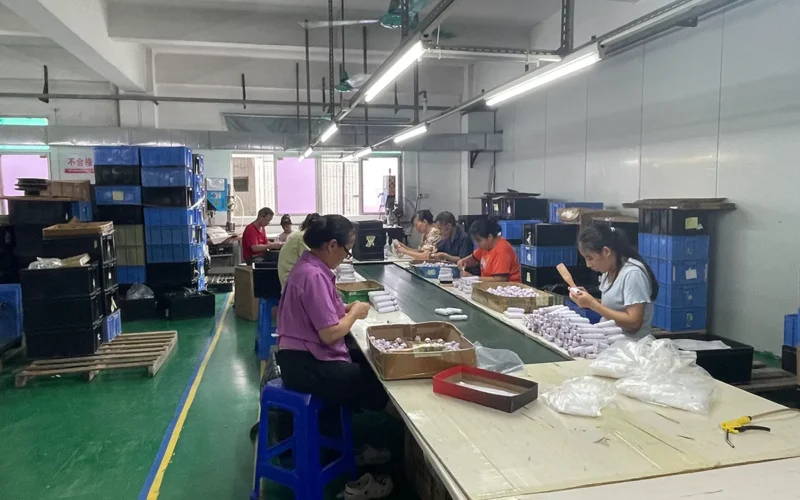
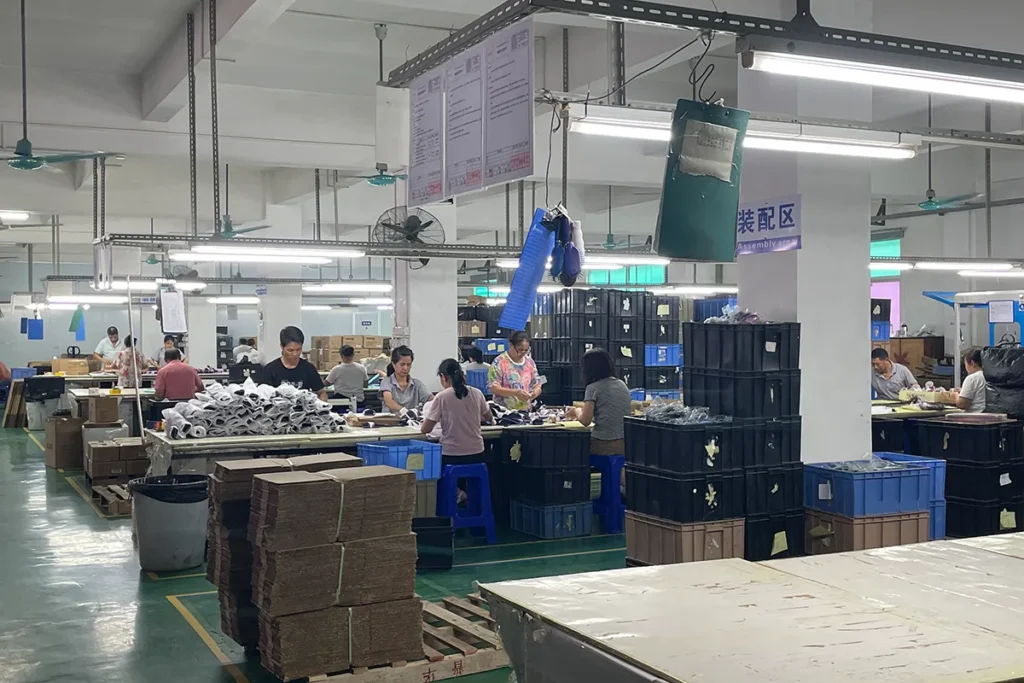
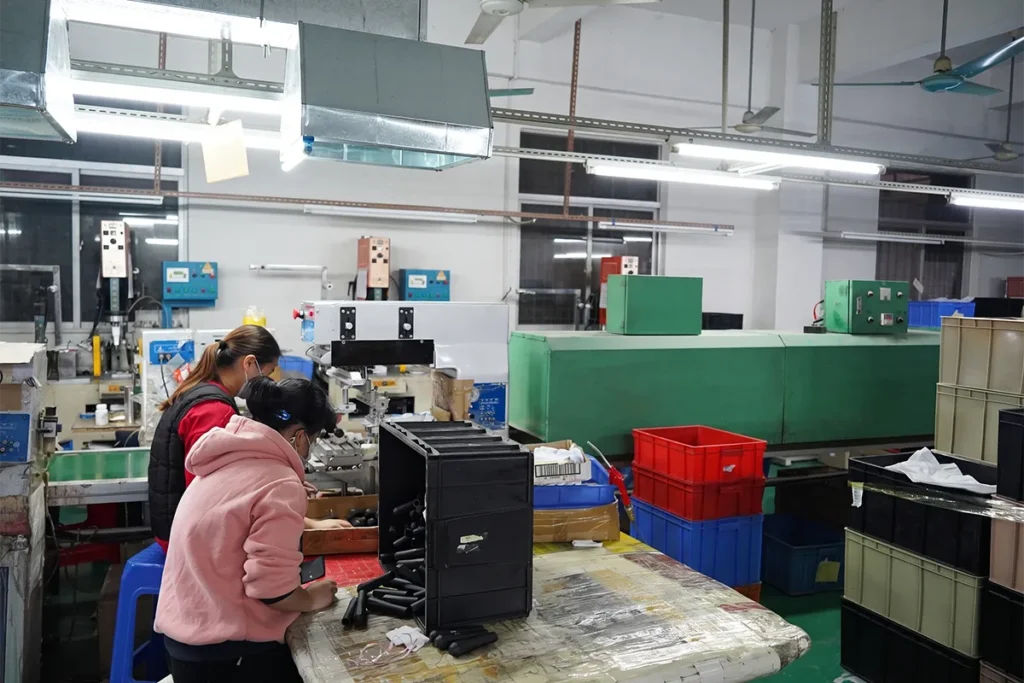
Yes — tool work is done in house, which is why we can quote from a drawing rather than going out to ask and coming back a week later. That turnaround is also a reasonable test to run on any supplier: ask how long a tooling quotation takes. A factory answers from its own shop; an intermediary has to wait for someone else’s.
The Short Version
Establish the component count before you compare quotations, because the tooling budget is the per-mould figure multiplied by that number. Expect approximately USD 4,200–5,600 for a straightforward injection mould, and expect anything complex to be quoted only from a 3D file. Get exclusivity — not just ownership — confirmed in writing before the deposit. And if the design is still finding its market, look hard at whether acetate lets you skip the steel altogether.
Send us a drawing or a 3D file with your target quantity and we will come back with a tooling figure, a unit price and a realistic schedule for both.
Brushes We Make