Buying wholesale hair clips is often treated as a product-selection task: choose a few attractive shapes, add colours, then ask for a price. For a retailer or private-label brand, that sequence usually creates a range that is hard to merchandise, hard to replenish and difficult to quote accurately. A retail-ready range starts with a customer need, a clear role for every SKU and a production plan that can be repeated.
This guide is for buyers sourcing wholesale hair clips and barrettes for a collection, store group, salon business or distributor. It explains how to turn a broad product idea into a manageable assortment, what to put in a quote request, and how to avoid the common mistake of spreading a small first order across too many designs.

Start With the Range Job, Not the Product Photo
A strong assortment answers more than “which clips look good?” It gives a shopper an easy choice: a small everyday clip, a reliable medium hold, a larger updo piece and, if it suits the brand, one more expressive shape. Each item earns its place because it solves a different use case, price point or gifting need. That is more useful than buying four versions of the same size because they happened to look good in a catalogue.
| Range role | Buyer decision | What the factory needs to know |
|---|---|---|
| Everyday compact clip | Target hair section, price point and colour family. | Body length, opening, material and quantity per colour. |
| Core medium clip | The item expected to repeat most often. | Hold requirement, tooth depth, spring feel and pack quantity. |
| Large hold or updo clip | Hair volume and intended function. | Body thickness, spring strength, balance and finishing requirements. |
| Barrette or decorative style | Whether the range needs a flatter, dressier or giftable option. | Base construction, fastening type, decoration and logo location. |
| Seasonal or statement SKU | What makes it different from the core. | Whether an existing body works or new development is required. |
For a first order, the core should do most of the work. A buyer can build a coherent collection from two or three proven bodies by changing the acetate sheet, colourway, logo treatment and packaging. Browse the hair clips and barrettes range as a starting point, then mark the styles that have a distinct purpose rather than selecting every appealing silhouette.
Use a Six-SKU First-Range Framework
There is no universal ideal SKU count, but six is a practical planning exercise for a new wholesale range. It is enough to create a visible family without hiding too much quantity in low-volume styles. The exact mix can be smaller or larger; the discipline matters more than the number.
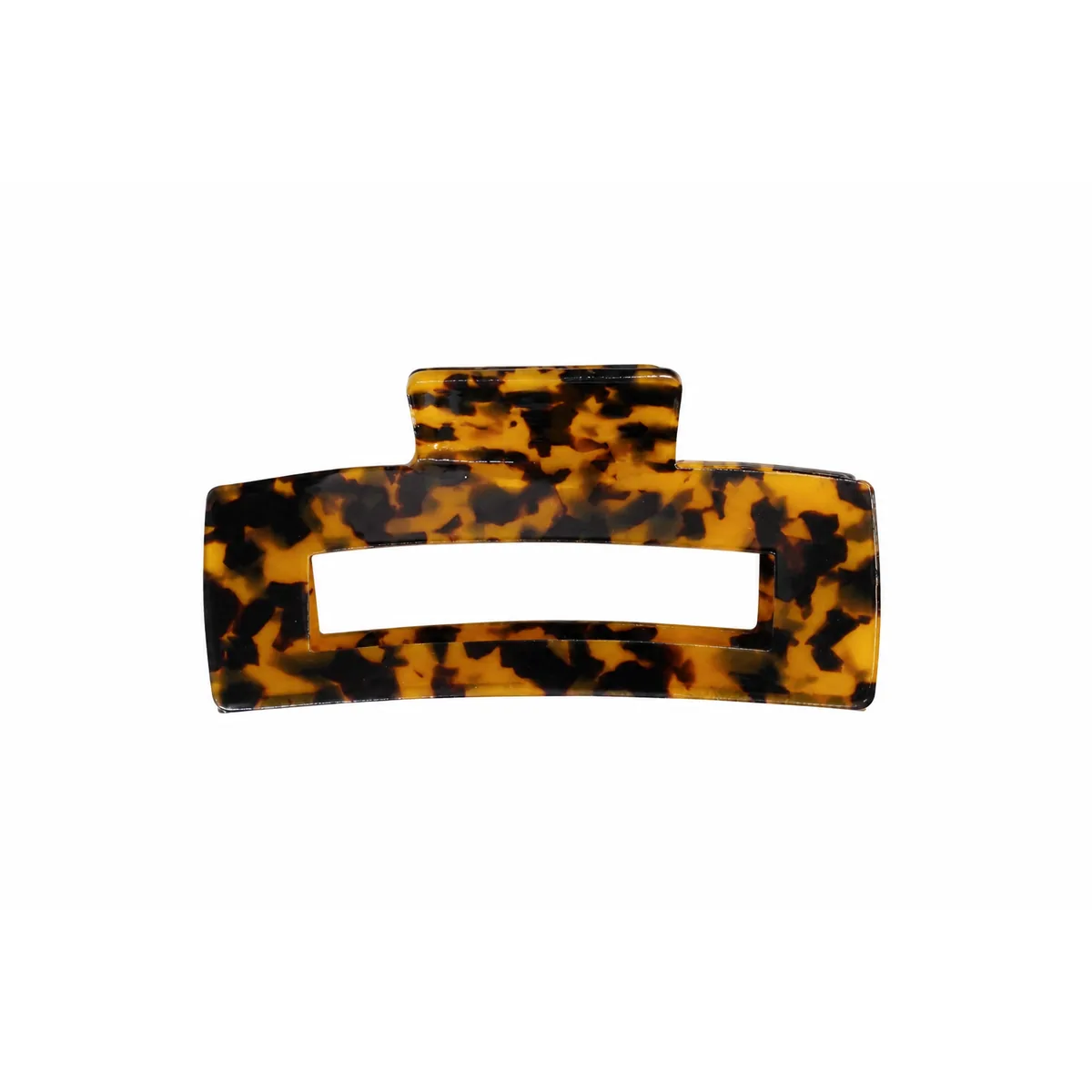
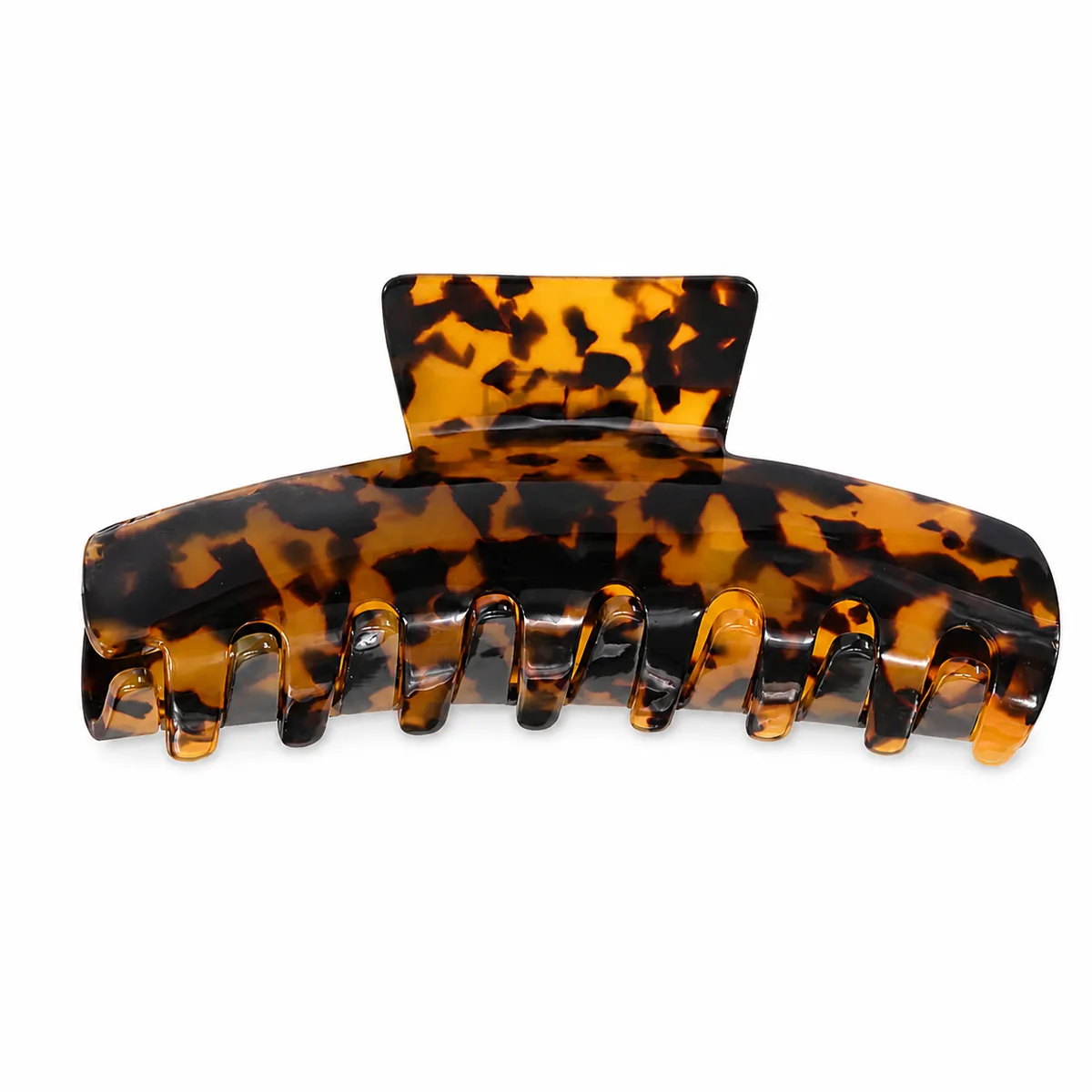
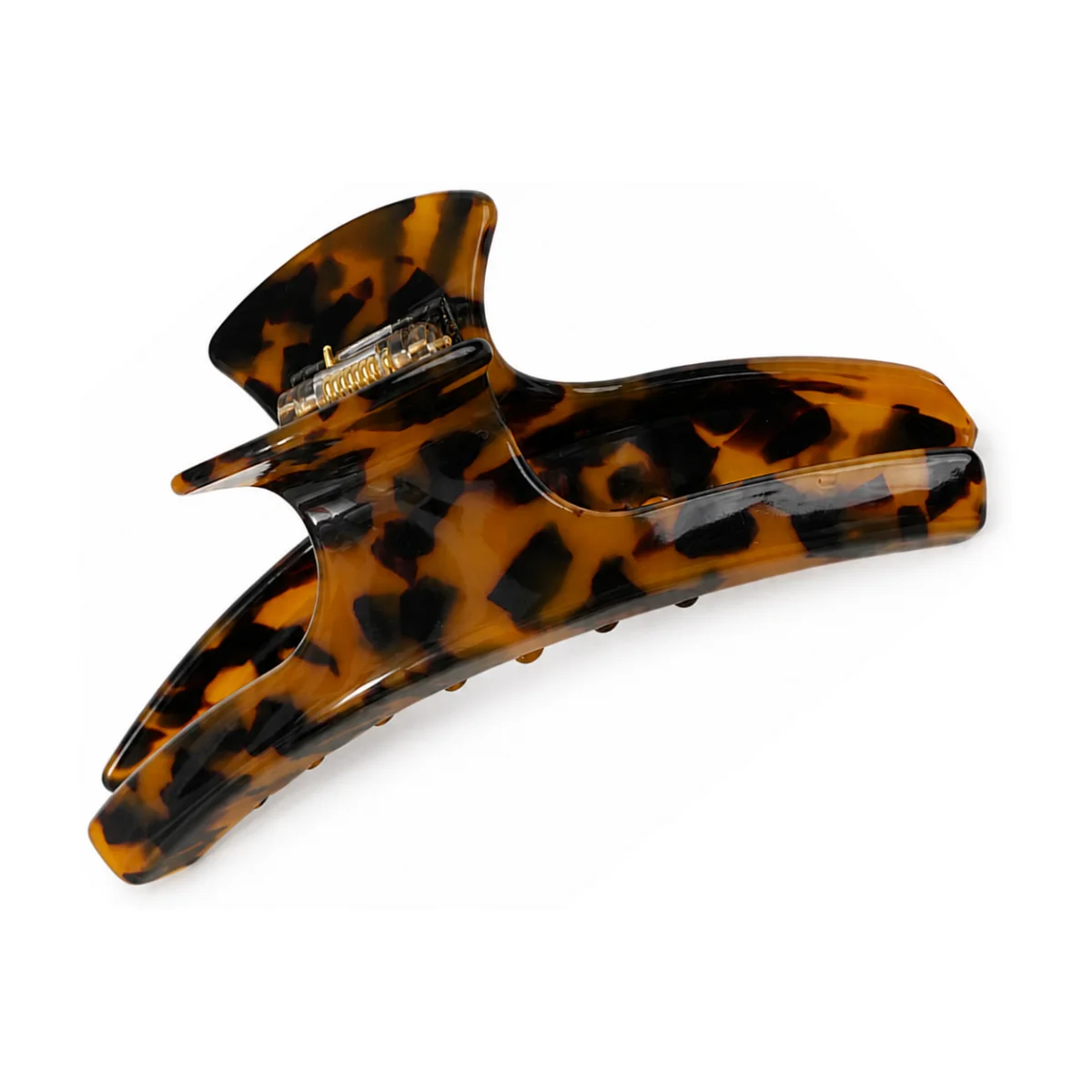
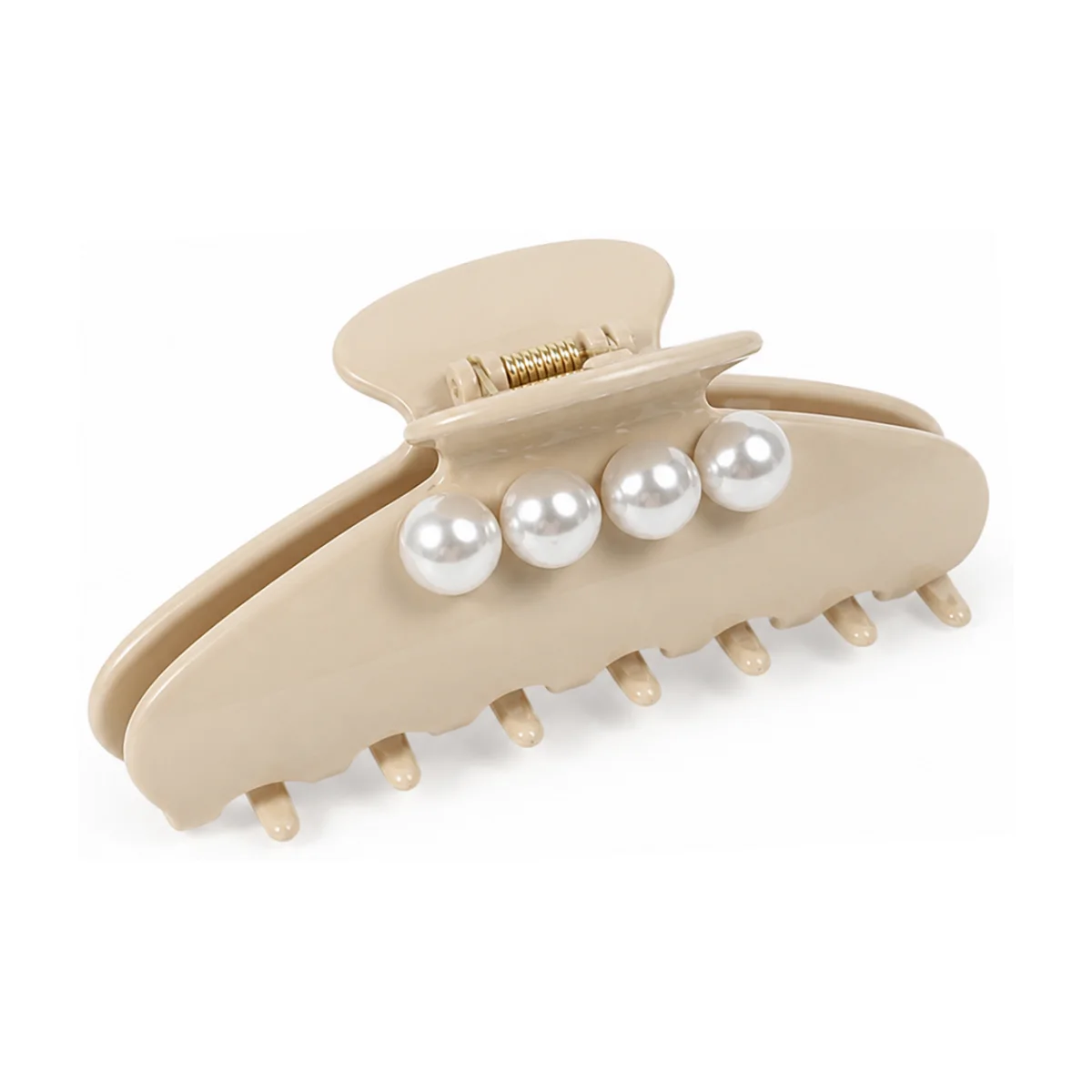
These are four different range roles rather than four interchangeable product photos: a compact statement style, a large-hold option, a core acetate body and a more decorative visual lead. Click any product image to review its construction before adding it to a range brief.
- Two core styles: the shapes you expect to reorder and keep in permanent colours.
- Two supporting styles: a different hold, size or fastening type that completes the customer choice.
- One visual lead: a more distinctive shape, pattern or decorative finish that gives the collection a recognisable point of view.
- One test SKU: a controlled trial of a new colourway, material treatment or construction, purchased in a quantity you are prepared to learn from.
Keep the colour story tighter than the shape list. For example, a tortoiseshell, cream and dark green acetate palette can run across several bodies and still read as one collection. Cellulose acetate naturally varies from piece to piece, so the approved sample should define the acceptable family of pattern and tone rather than promise identical marbling on every clip. The difference between acetate and lookalike plastic is also a commercial decision; see why material matters in hair clips before comparing quotes only by headline price.
Plan Wholesale Quantity by Design and Colourway
“I need 2,000 hair clips” is not yet a usable production brief. A factory needs the distribution: how many of each body, in each acetate sheet or colourway, with which logo and packaging. A 2,000-piece order can be straightforward when it is concentrated in a few repeatable runs, or complicated when it is divided into twelve designs and many small colour allocations.
Use a range sheet with one row per SKU: style code, reference image or selected mould, material or sheet code, quantity per colourway, branding method, packaging and destination. This lets a supplier identify which items can share preparation and which are independent production runs. It also gives your own sales team a single source of truth when range choices change.
Minimums normally apply to the design or production run, not only the combined order. Read the hair accessory MOQ guide alongside your quote request, then ask explicitly how the MOQ changes if one style is split across several sheet patterns or branded packaging variants.
Treat Barrettes and Claw Clips as Different Buying Decisions
A collection can look unified while using very different constructions. A claw clip is bought for opening, grip, tooth geometry and spring action. A barrette may be chosen for its base, closure, face decoration and how it lies against the hair. Do not assume that a colourway successful on a large claw is automatically right for a slim French barrette or a snap clip.
During sampling, review the item in the way the customer will use it. Open and close claws repeatedly; check that the jaws meet evenly and the spring returns consistently. On barrettes, test the closure, edges and balance on hair rather than approving the front view only. If you need a quick category map before building a mixed range, see the main types of hair clips.
Make the Assortment Easy to Merchandise
Wholesale buyers should decide how the customer will encounter the range. Is it sold in individual retail boxes, on cards, as a set, at a salon counter or as a multi-SKU display? That answer changes not only packaging but the product mix itself. Small items can work well in pairs; a large acetate claw may need room to show its pattern and mechanism; a barrette can provide a lower price entry without looking like a cheaper version of the same product.
| Merchandising question | Decision to make before production |
|---|---|
| What should a new customer buy first? | Choose one clear core item and keep it available in permanent colours. |
| What makes the set feel complete? | Add complementary hold levels or fastening types, not duplicate silhouettes. |
| Will products be packed alone or together? | Define retail unit, inner pack, barcode position and display needs. |
| What needs replenishing? | Separate evergreen styles from limited colours and test pieces. |
| What will be photographed? | Reserve the most distinctive pattern or silhouette for the visual lead SKU. |
Approve a Range, Not a Collection of Isolated Samples
Put the physical samples, packaging proof and range sheet together for one approval. Looking at each item separately can hide problems: a “cream” sheet that reads yellow next to the other colours, a large claw that overwhelms the intended price tier, or branding that works on a box but not on the product. A unified review makes it easier to decide which sample becomes a core SKU and which one remains a development option.
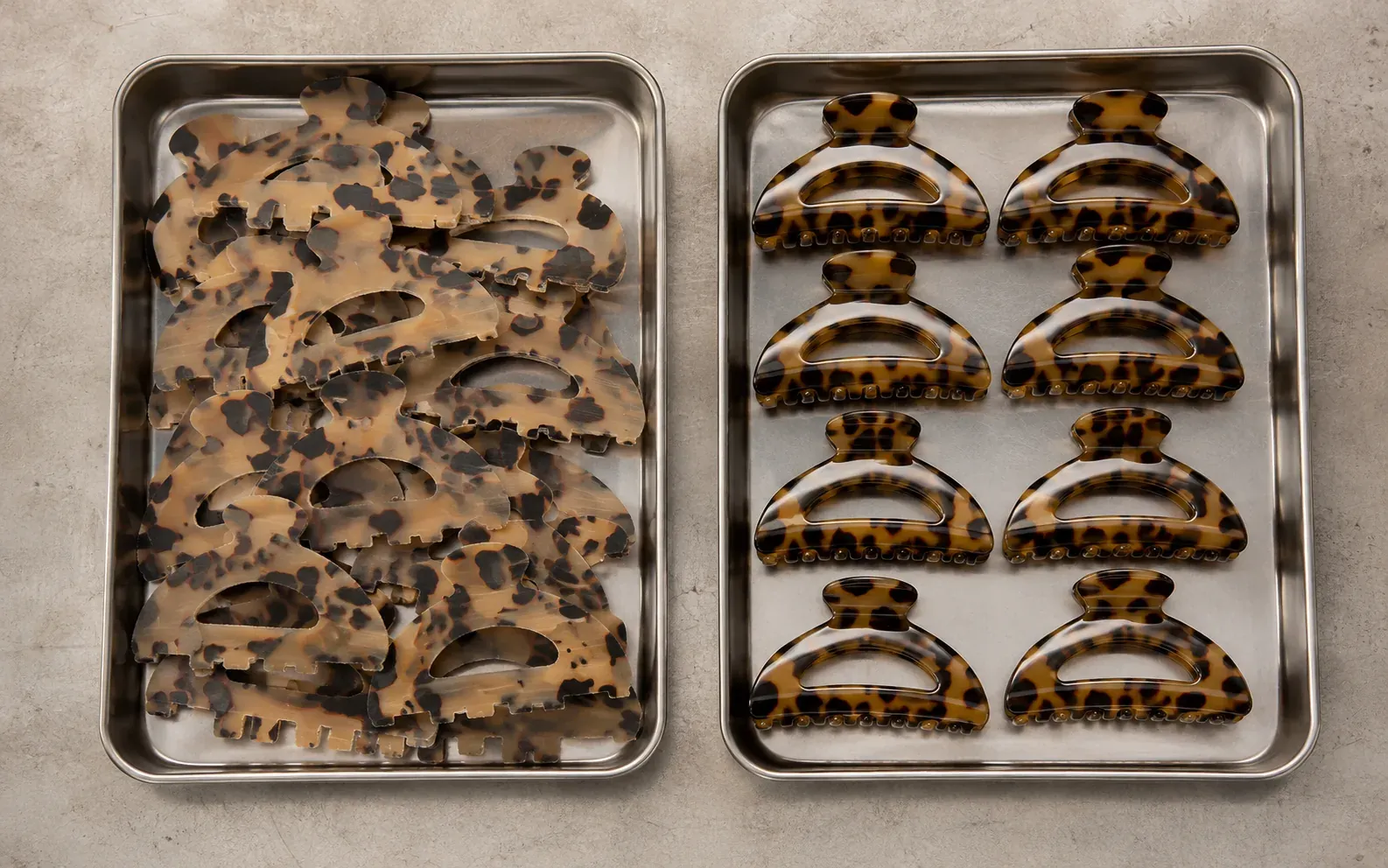
- Check each sample for fit, edge polish, spring action or fastening security.
- Compare all colourways under the same light and record the approved sheet reference.
- Confirm logo placement and retail packaging as part of the same SKU decision.
- Record a specific outcome for each item: approved, approved with a defined change, or not approved.
- Keep photographs, measurements and the final range sheet with the purchase order.
This is the point where a buying team can remove the weak duplicate rather than discovering it after production. It also creates a practical acceptance reference for quality control and a clean starting point for reorders.
A Quote Request That Produces Useful Answers
Send selected catalogue styles or reference images, a brief description of the end customer, quantity per style and colourway, required material, logo and packaging needs, destination country and target delivery date. State which styles are intended as repeatable core products and which are exploratory. A supplier can then respond with a feasible route rather than a vague unit price.
For a wholesale range review, send your styles, planned quantities and reference images for a factory feasibility check. The useful next step is not a bigger list of clips; it is a smaller, clearly structured range that can be sampled, quoted and repeated with confidence.
FAQs
How many styles should I include in a first wholesale hair clip order?
There is no fixed number, but a focused collection of core and supporting roles is safer than splitting the quantity across many untested designs. Start with the styles your customer can understand and replenish, then use samples to decide what deserves a wider colour range.
Can claw clips and barrettes share one collection?
Yes. Use a shared material, colour story, logo treatment or packaging system, but brief and test each construction for its own function. A claw clip and a barrette are not interchangeable just because they use the same acetate sheet.
What should be included in a wholesale hair clips quote?
Include the body or selected mould, material or sheet, quantity by colourway, logo treatment, packaging, destination and requested delivery date. Ask for the quote to identify any MOQ, sampling or development assumptions separately.