Proposition 65 catches importers out more often than any other compliance requirement in this category, and almost never because the product was unsafe. It catches them because the rule is not a safety limit — it is a warning requirement, enforced largely through private legal action, and it applies to a list of substances far longer than most buyers expect.
If you sell hair accessories into California, this page covers where the exposure actually sits, what to ask your supplier, and why the answer is almost always about metal.
This is a practical summary from a manufacturer, not legal advice. For your specific obligations, consult the official OEHHA guidance or a compliance professional.
What It Actually Requires
Prop 65 does not ban substances. It requires a clear warning before knowingly exposing anyone in California to a listed chemical — substances the state has identified as causing cancer or reproductive harm. The list runs to hundreds of entries and is updated regularly.
Two consequences follow, and both surprise people:
- A compliant product can still need a warning. Meeting a safety standard elsewhere does not remove the obligation here — the two are answering different questions.
- Enforcement is largely private. Much of it comes through private plaintiffs rather than a regulator, which is why a first contact often arrives as a legal notice rather than an inspection.
Because of that second point, the practical risk is not a fine from an agency. It is the cost of responding to a claim — and that cost lands on the importer of record, which for most brands is you rather than the factory.
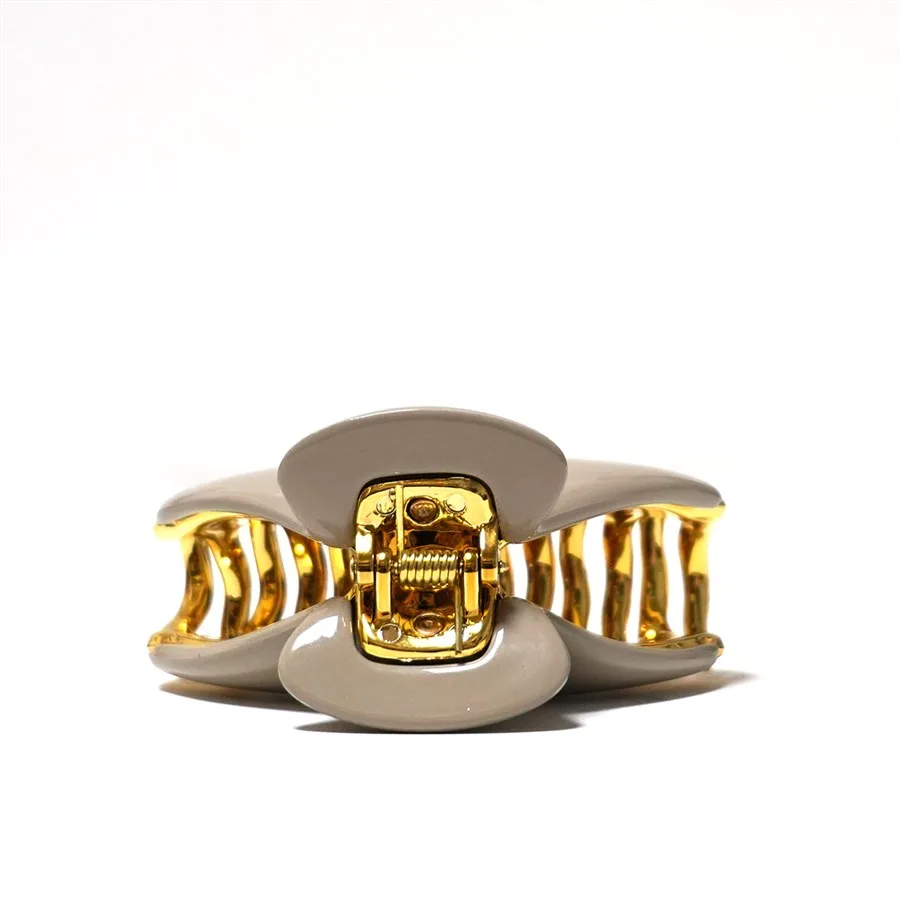
For Hair Accessories, It Is Almost Always the Metal
This is the single most useful thing to understand about the category. Buyers focus their questions on the body material — the acetate, the wood, the bamboo — and the exposure is nearly always somewhere else.
| Component | Why it matters |
|---|---|
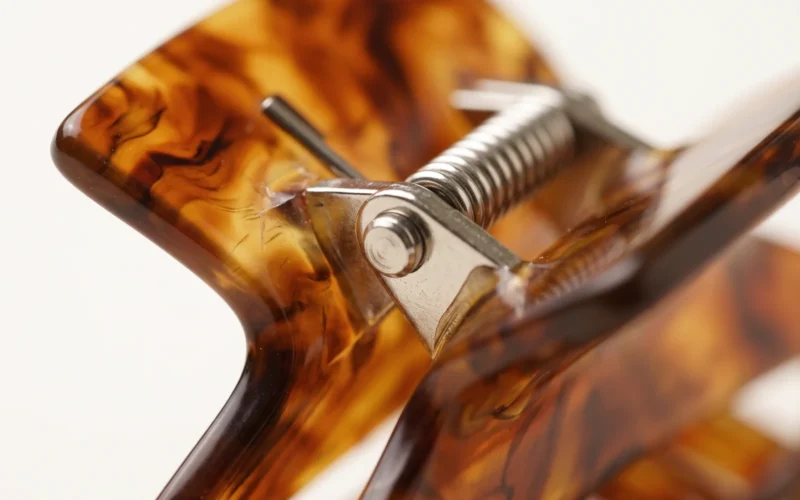
| Spring bars and hinge pins | Metal alloy and any plating; the part in longest contact with the hand |
| Decorative plating | Coatings and the substrate beneath them |
| Set stones and adhesives | The fixing method as well as the stone |
| Printed or coated surfaces | Inks, lacquers and topcoats |
| Acetate, wood, bamboo body | Rarely the issue on its own |
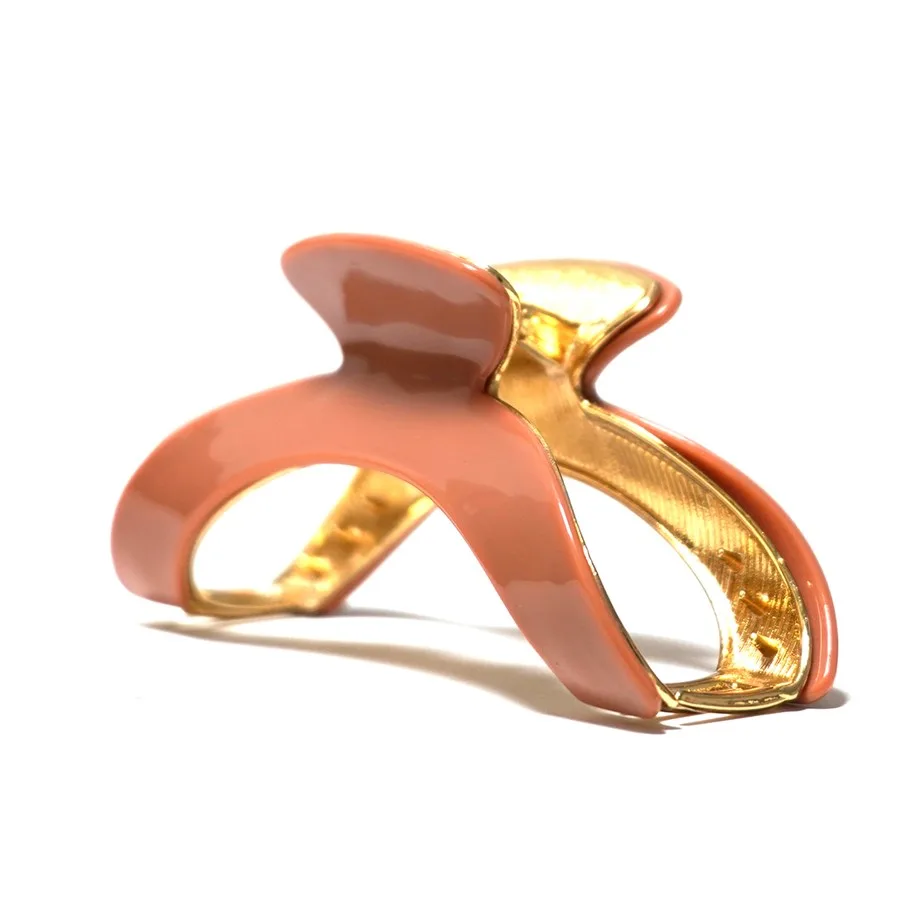
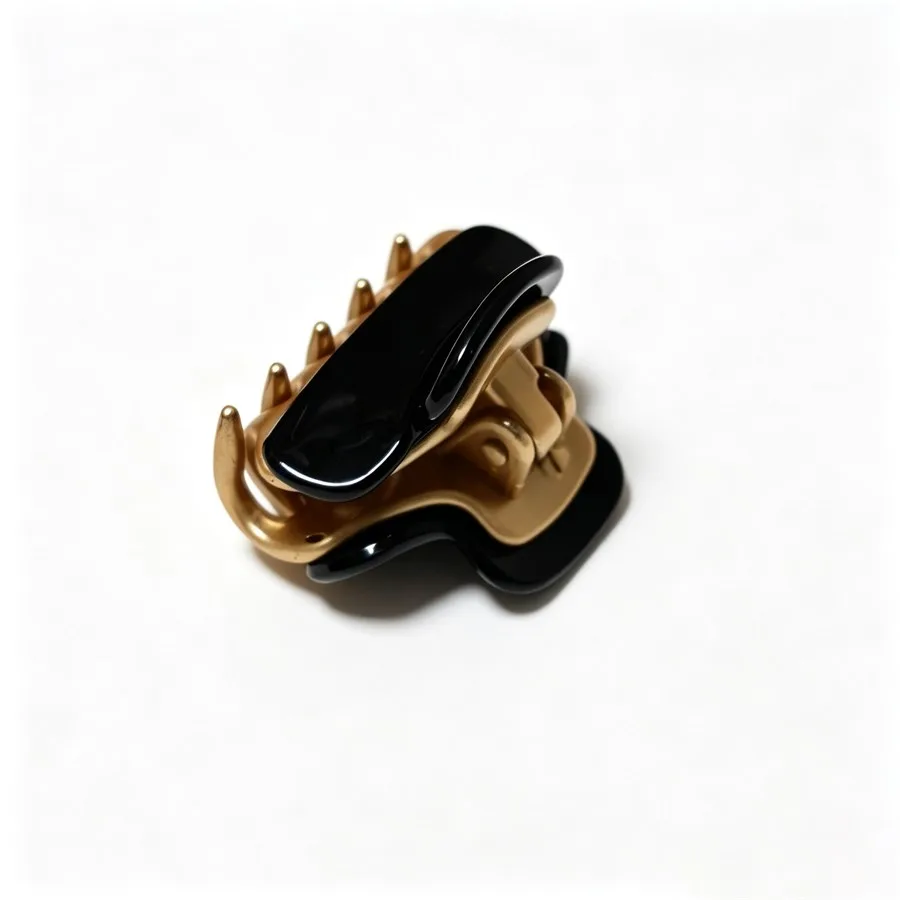
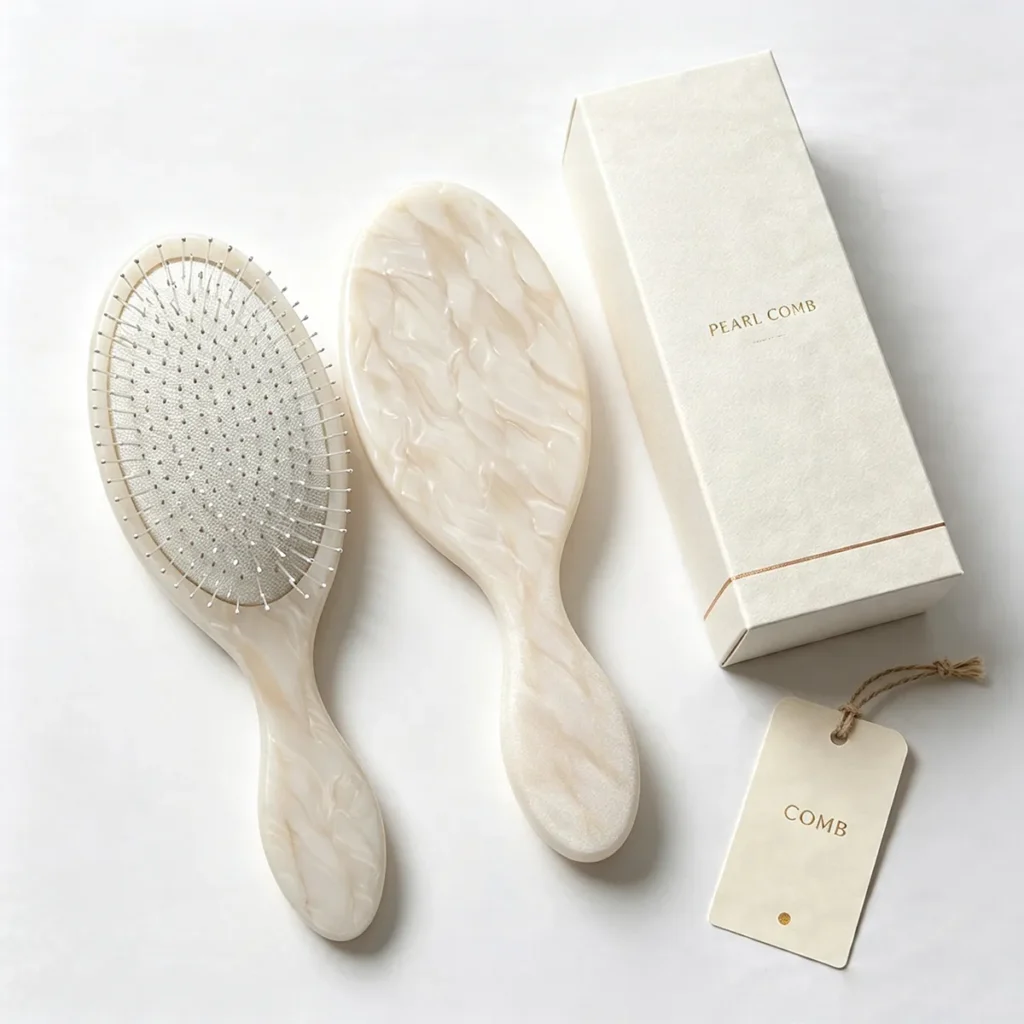
A clip body that is entirely fine can sit on a spring that is not. Specify and test the hardware, not just the material you chose the product for. This is also why a metal-free design is worth considering for a California-heavy programme. Not every clip needs a steel spring — some claw designs and most combs have no metal at all, which removes the highest-risk component entirely rather than testing around it.
What to Ask Your Supplier
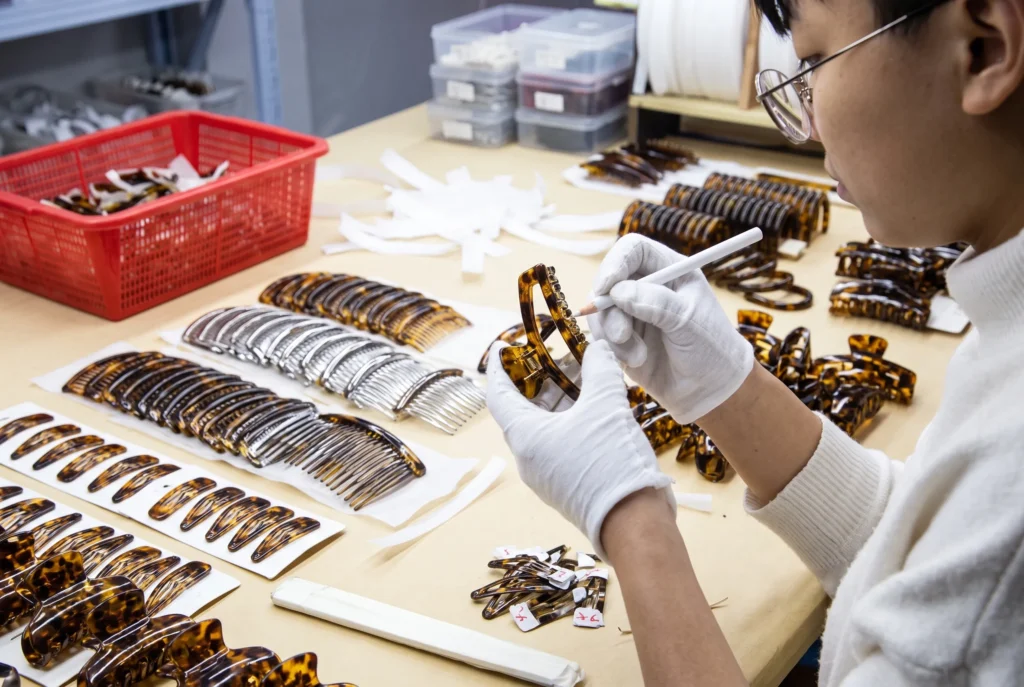
- A full component list, including hardware. You cannot assess what you have not enumerated. This is the same component-count question that drives your tooling budget and your QC plan.
- Test reports against your market, on the finished product. A material certificate for the acetate does not cover the spring that was fitted afterwards.
- Who the importer of record is. Usually you. Know it before shipment, not after a notice arrives.
- Whether the supplier has shipped into California before. A factory that has will know what documentation you need without being told.
On our side: tell us the destination market and the intended end user before sampling. It changes which hardware we specify, and it is far cheaper to choose a different spring at specification stage than to retest a finished order.
The Warning Label Question
Some importers apply a warning by default, reasoning that it costs nothing and removes the risk. It is a defensible position, but it is not free: a cancer warning on premium packaging affects how the product is received, and applied to a product that does not need one it undermines exactly the positioning most acetate brands are buying into.
The better sequence is to establish whether the exposure exists first — through component specification and testing — and treat the warning as the answer when it does, rather than as a substitute for finding out.
Frequently Asked Questions
Does Prop 65 apply if I only sell online?
Selling into California is selling into California. Online sales are not outside its scope, and warnings generally need to appear before purchase rather than only on the item — check the current requirements for your sales channel.
Is acetate itself a Prop 65 concern?
The body material is rarely where the issue sits. Focus your testing budget on hardware, plating, adhesives and coatings — that is where listed substances turn up in this category.
Can the factory take responsibility for compliance?
A factory can specify compliant components, provide test reports and document what was used. But the obligation attaches to whoever places the product on the market, which is normally the importer. Be wary of a supplier who claims otherwise — that claim is not theirs to make.
How current do test reports need to be?
Recent enough to reflect what was actually produced. A report on a sample from two years ago does not cover a component that changed since. If a supplier changed a hardware source, the report should be redone — and you should be told that the source changed.
The Short Version
Prop 65 is a warning requirement, not a safety limit, and it is enforced largely through private action. For hair accessories the exposure is nearly always the metal — springs, pins, plating, set stones — not the acetate or wood you chose the product for. Enumerate every component including hardware, test the finished product against your market, and know who the importer of record is. If California is a major market, consider whether the design needs metal at all.
Tell us your destination market and end user before sampling and we will specify hardware accordingly — it is far cheaper than retesting a finished order.