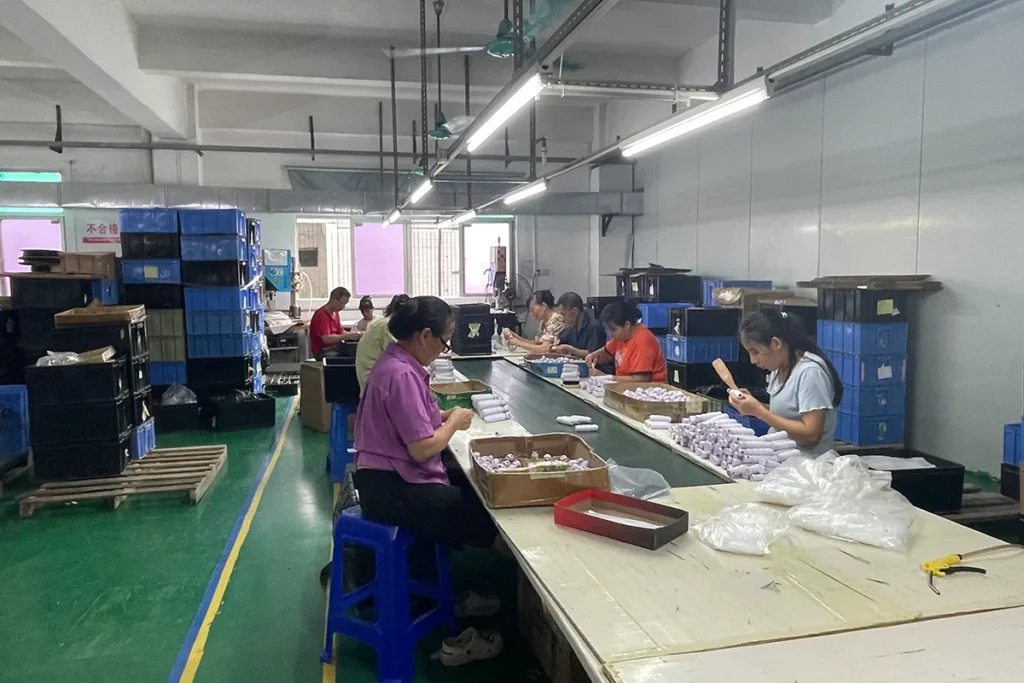
Minimum order quantity is treated as a negotiating position far more often than it deserves to be. It is not a number a supplier picked to seem serious — it is the point below which a production run stops making sense on the floor, and understanding what sets it tells you a great deal about whether you are talking to a factory or to somebody who will place your order with one.
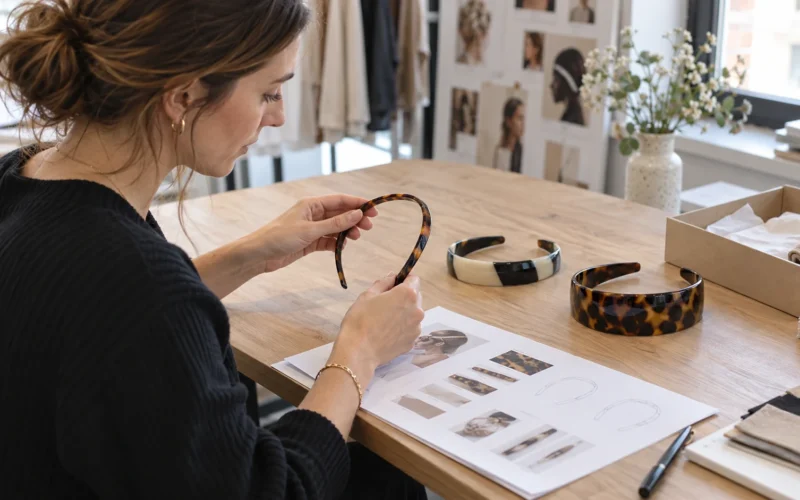
That same per-design logic matters for headbands: use our wholesale headbands buyer’s guide to settle width, colourways and retail packaging before asking how the quantity can be divided.
Quantity only makes sense after the range is structured: our guide to building a retail-ready wholesale hair clips and barrettes range shows how to split core styles and colourways before asking for MOQ.
Here are our actual minimums, followed by what drives them and where they can legitimately move.

The Numbers
| Product | Minimum per design |
|---|---|
| Existing acetate hair clips, claw clips and barrettes | 500 pcs per design |
| New custom acetate clip designs | 1,000 pcs per design |
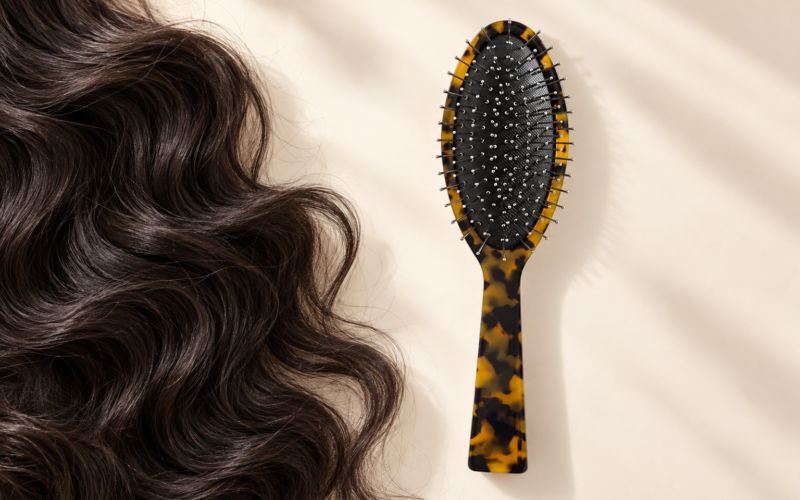
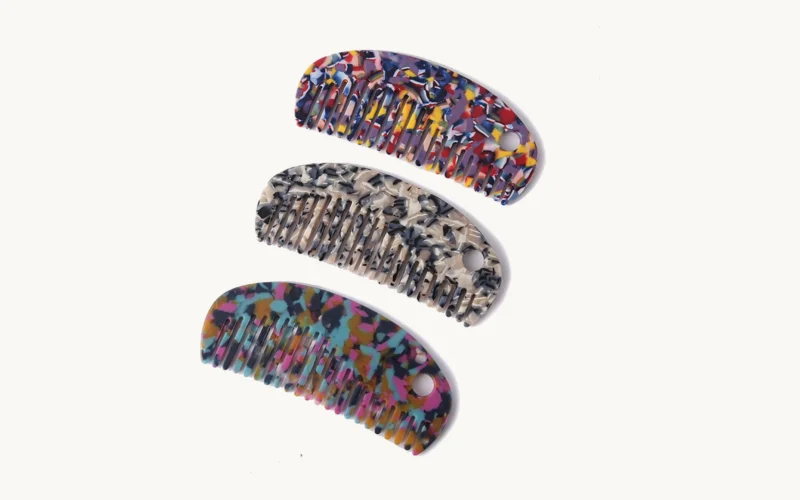
| Existing acetate combs and brushes | 1,000 pcs per design |
| New custom comb or brush tooling | 3,000 pcs per design |
| Acetate headbands and hair sticks | 1,000 pcs per design |
| Wood and bamboo products | Depends on the shape and finish — ask |
Per design, not per order. The current route matters: an existing acetate clip style starts from 500 pieces per design, while a new custom clip starts from 1,000 pieces per design. Three existing bodies at 500 each make a 1,500-piece programme; three new custom bodies require 3,000 pieces in total. Colour splits still need confirmation against sheet availability, logo setup and packaging.
On wood and bamboo we do not publish a single figure, and we would rather explain why than print a placeholder. The minimum genuinely depends on the shape and the finish — a plain sanded comb and a lacquered brush handle with a printed logo are different production propositions. Send the shape and you get a real number.
The 1,000 tier is worth reading the same way. It covers combs, brushes, headbands and hair forks — a two-prong acetate fork and a crystal-topped fork are two designs at 1,000 each, not 500 of one and 500 of the other. The reason is finishing labour rather than material: a fork is polished on four faces and a prong has to be checked for symmetry, so the changeover is worth less spread over a short run. Length does not change the tier either: a short comb specified for beards is still 1,000 per design, and what does move its price is covered in what to specify on a beard comb.
What Actually Sets the Number
Three things, and none of them is the cost of the material itself.
1. Sheet yield
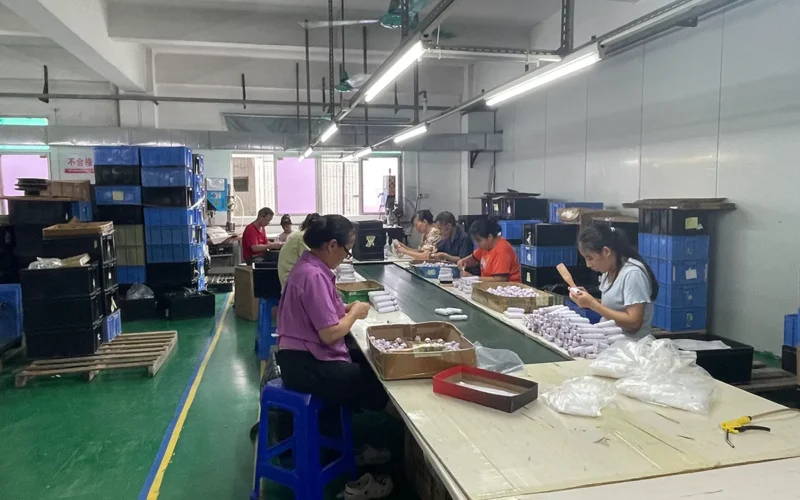
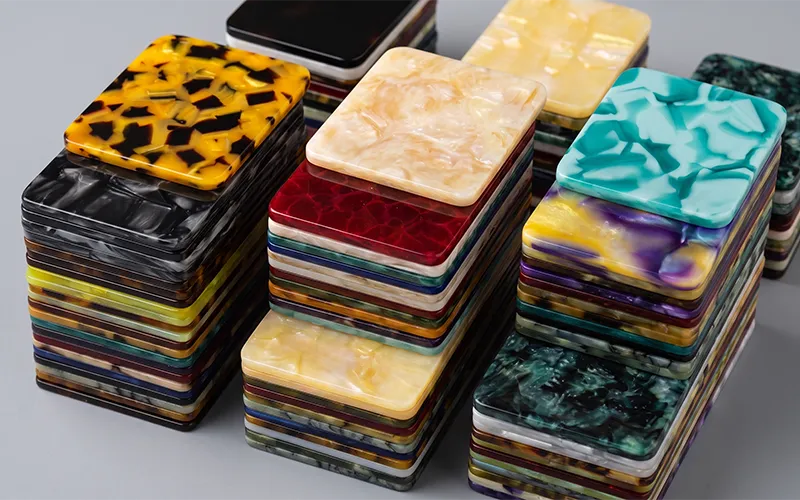
Acetate is bought as pressed sheet, and parts are nested onto that sheet like a cutting plan. A claw clip is small and nests tightly, so a sheet yields a lot of them. A wide-tooth comb is larger, nests less efficiently, and leaves more offcut per piece. The minimum has to cover a sensible number of sheets — which is a large part of why existing combs and brushes start at 1,000 while existing clip bodies can start at 500. New custom programmes carry their own higher minimums.
2. Changeover
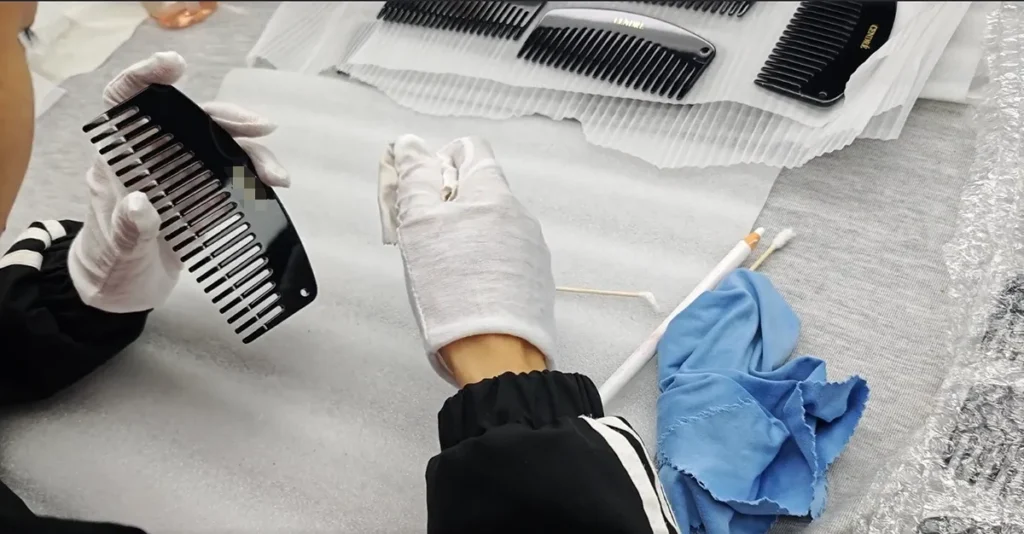
Every design change means re-nesting the cutting plan, changing the profile and resetting the line. That setup takes the same time whether the run behind it is 200 pieces or 5,000. Below a certain quantity the setup time exceeds the run time, and at that point the piece price stops being a piece price and becomes a share of an afternoon.
3. Finishing labour
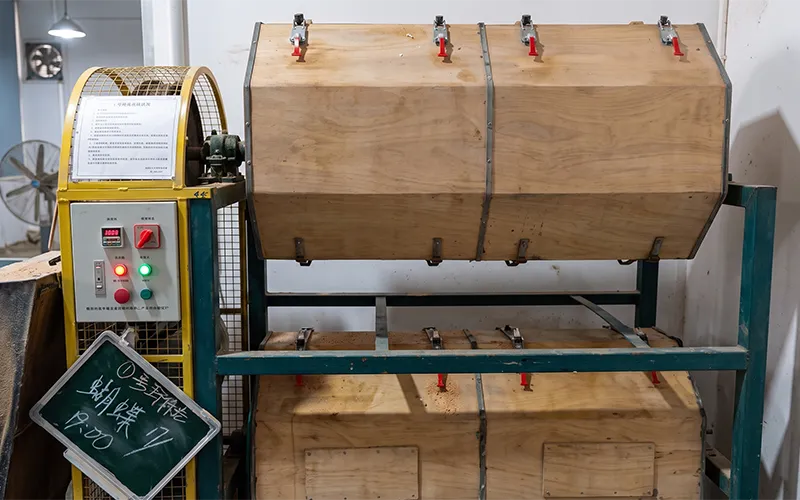
Acetate is tumbled and hand-polished in batches, and the tumbling stage runs for days regardless of how full the barrel is. A part-loaded barrel costs the same in time and energy as a full one. Products with more hand finishing — anything with hardware, springs or set stones — carry that batch logic further down the line.
Notice what is missing from that list: the price of the acetate. Material is rarely the binding constraint. This is why a supplier who drops their MOQ the moment you push back is telling you something — either the number was never real, or they are not the ones running the line. We look at how to tell the difference in our sourcing guide.
Where the Minimum Can Legitimately Move
Not by asking. But there are real structures that get you below the headline figure per design:
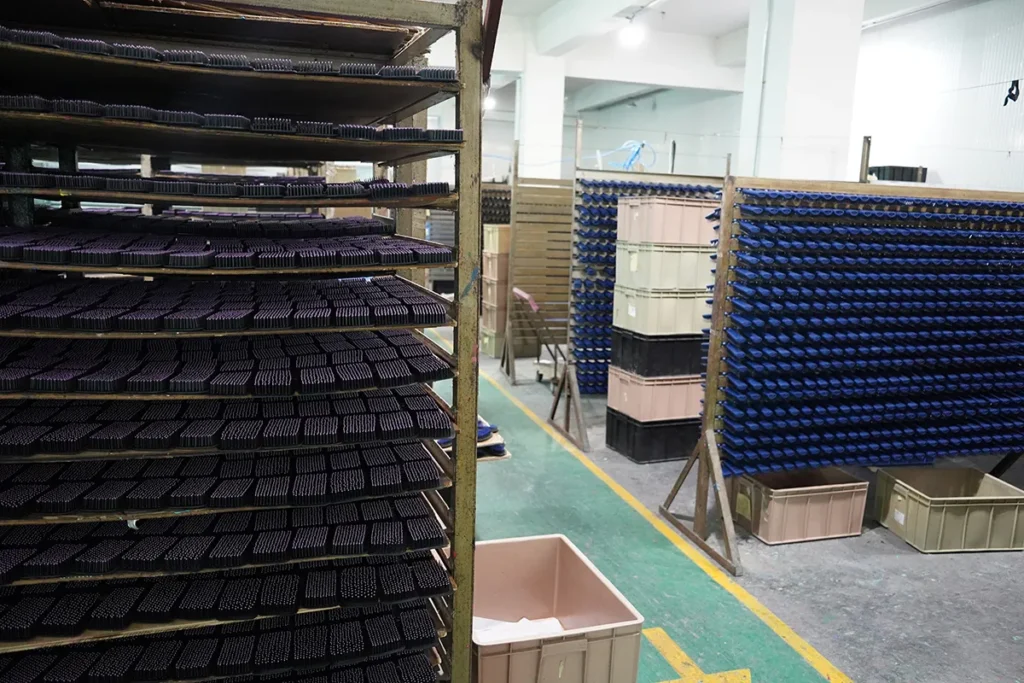
- Same shape, different sheet patterns. The cutting profile does not change, so several colourways can share one setup. This is the single most useful lever available to a small brand and it costs nothing.
- Stock shapes instead of custom. A shape already in production has no new profile and no development, which changes the arithmetic entirely.
- Combining designs in one production window. Several designs scheduled together share setup and finishing batches even though each still has its own minimum.
- Repeat orders. The second run of an established design is a different proposition to the first.
What will not work is asking for 300 pieces of a custom design. We would rather tell you that plainly than take the order, disappoint you on the price, and have the conversation afterwards.
Reading MOQ as a Signal
Because MOQ comes from production reality, the way a supplier talks about it is diagnostic.
| What you hear | What it usually means |
|---|---|
| A specific number, with a reason attached | They run the line and know their yield |
| A number that halves when you push | The first number was a negotiating position |
| Any quantity accepted, no minimum | The order is being placed with someone else |
| Different minimums for different products | Consistent with real production constraints |
Frequently Asked Questions
Is the MOQ per design or per order?
A supplier who cannot explain why the minimum changes by route may not understand the production plan. The minimum is per design: six existing clip bodies at 500 pieces each can make a 3,000-piece programme, while six new custom clip bodies would require 6,000 pieces.
Do several colours of the same shape count separately?
It depends on the sheet. Colourways cut from patterns we already hold can share a setup. A custom-pressed sheet is its own run. Tell us the colourways you want and we will tell you which side of the line they fall on.
Can I mix products to reach the minimum?
Not to reach a per-design minimum — each design still needs its own run. But mixing products in one shipment is normal and helps your freight cost, which is a different saving worth having.
Why is the comb minimum double the clip minimum?
For existing styles, sheet yield and finishing load are major reasons. A comb takes up more sheet area and carries much more finished edge than a small clip. A new custom clip also adds body-development work, which is why its current minimum starts at 1,000 rather than the 500-piece existing-style route.
Does the minimum change for a repeat order?
Ask when you place the first one. An established design with a proven profile is a different production proposition, and it is worth having that conversation before the first order rather than after.
The Short Version
Current planning guidance is route-specific: existing acetate clip styles start from 500 pieces per design; new custom acetate clips start from 1,000; existing combs and brushes start from 1,000; and new custom comb or brush tooling starts from 3,000. Headbands, hair sticks, wood and bamboo should be confirmed against the selected construction. Minimums come from sheet yield, development, changeover and batch finishing, so the complete design and colour plan matters more than the shipment total.
Where that catches people out is sizes rather than colours. A second length is a second cutting profile and a second clasp, so it is a second design and a second minimum — three lengths is 1,500 pieces before a colour has been picked. Colourways are the half you can share a profile across, which is why the two should never be planned as one number. We work it through with a table in wholesale hair barrettes, and apply it to the sprung-jaw range in duckbill clips.
Send us your range plan rather than a single quantity. Structured across shared shapes and sheet patterns, a range that looks impossible at first pass often is not.
Claw Clips From 500 Pieces
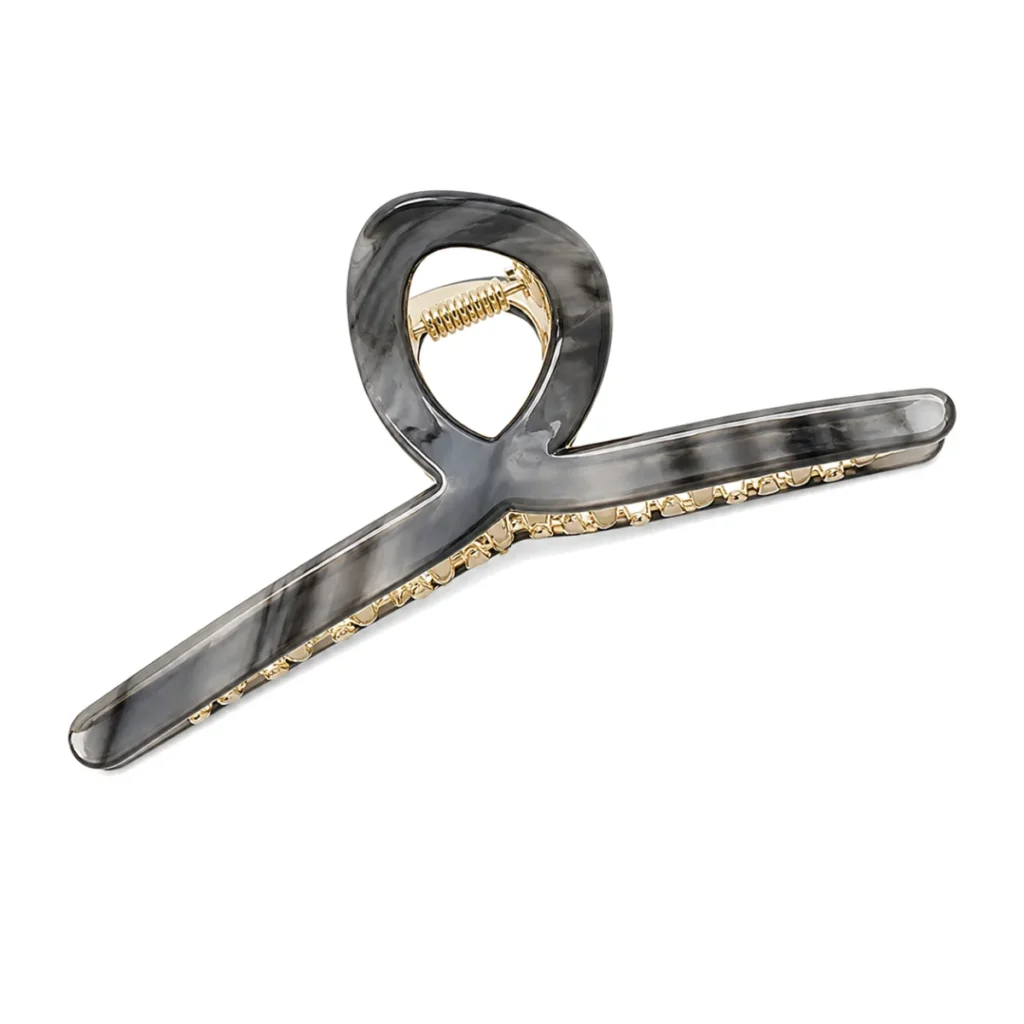
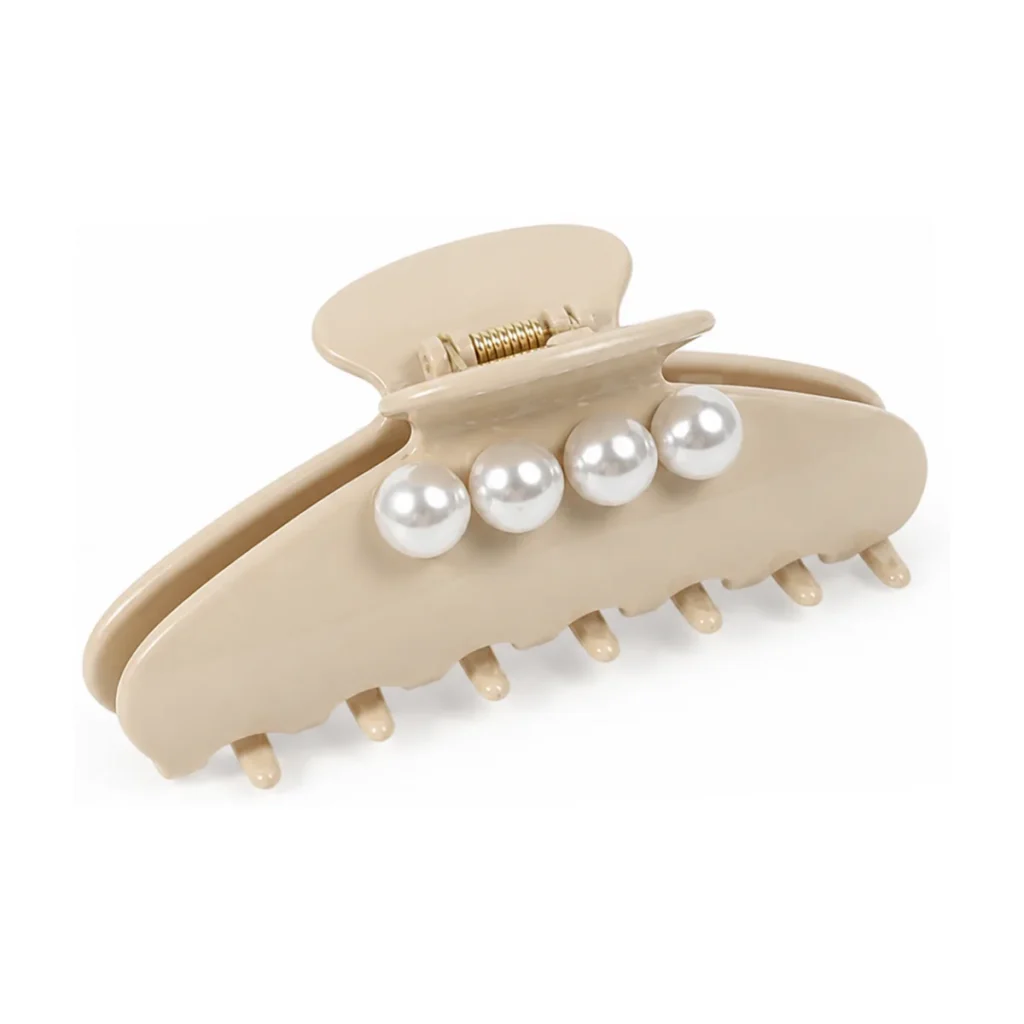
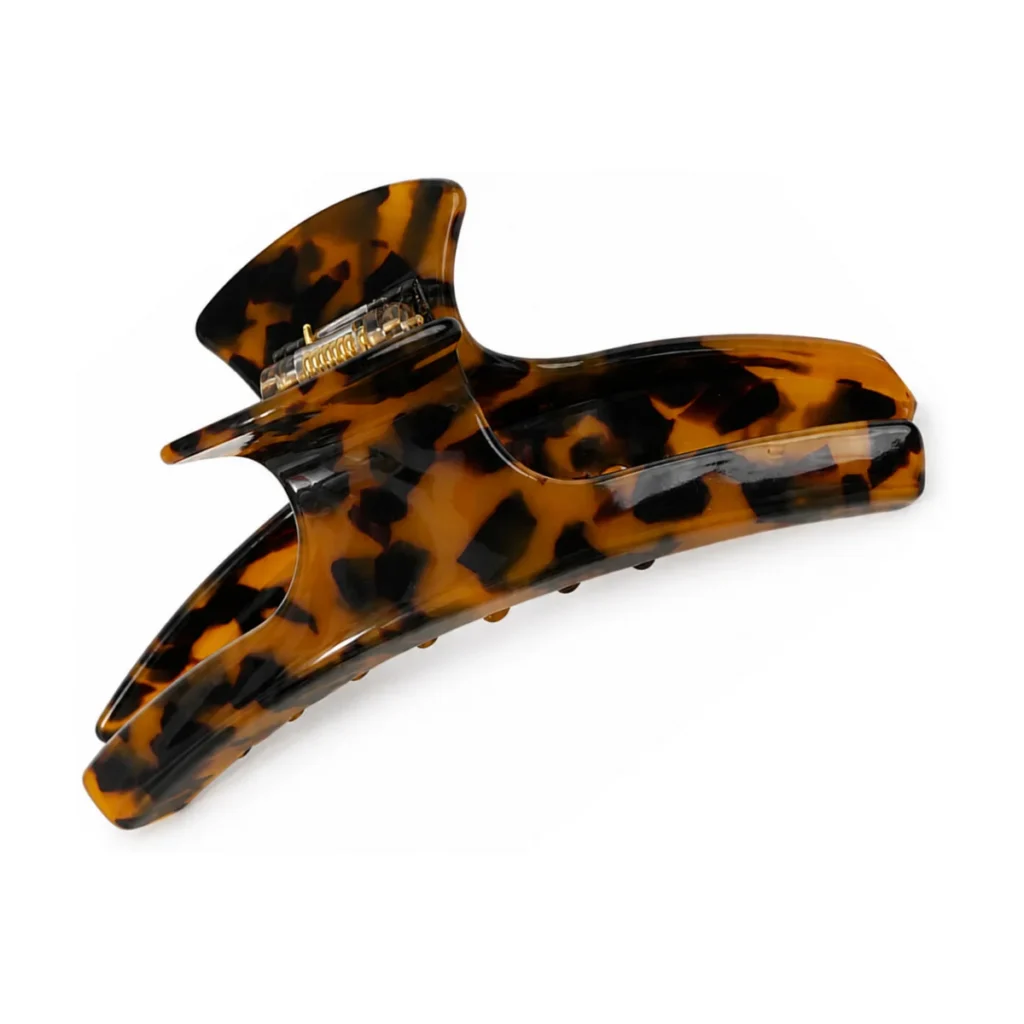
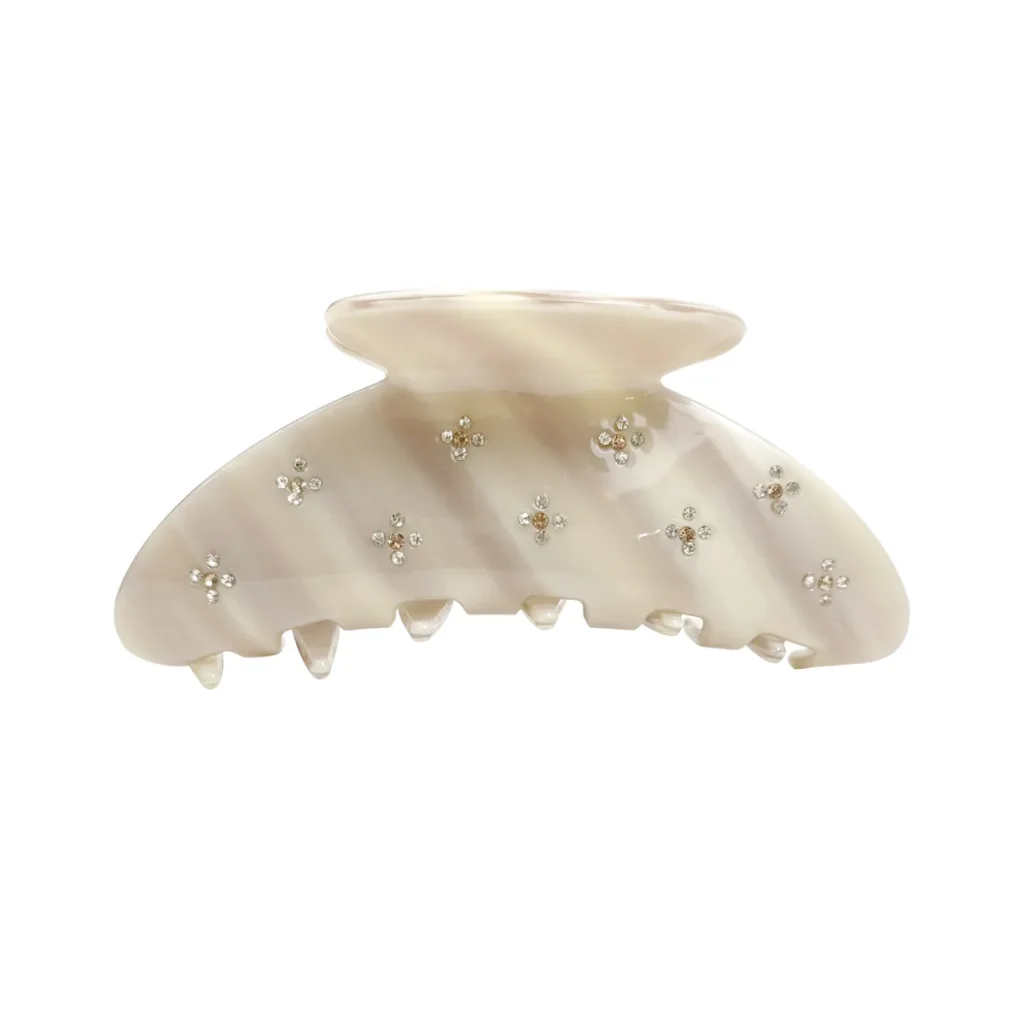
The cellulose acetate comb buyer guide applies the current MOQ to verified 8–16 cm bodies and shows what changes when a new custom profile is required.