Private label and OEM get used interchangeably in supplier emails, and they are not the same arrangement. The difference is not about quality, price or minimum order. It is about what you own when the programme is over — and that becomes concrete the moment the product sells well enough that somebody else wants to copy it.
When private-label headbands are built from existing shapes, the brand still needs a deliberate range brief. Our wholesale headbands guide shows how to review width, comfort, colour and packaging before selecting the styles to brand.
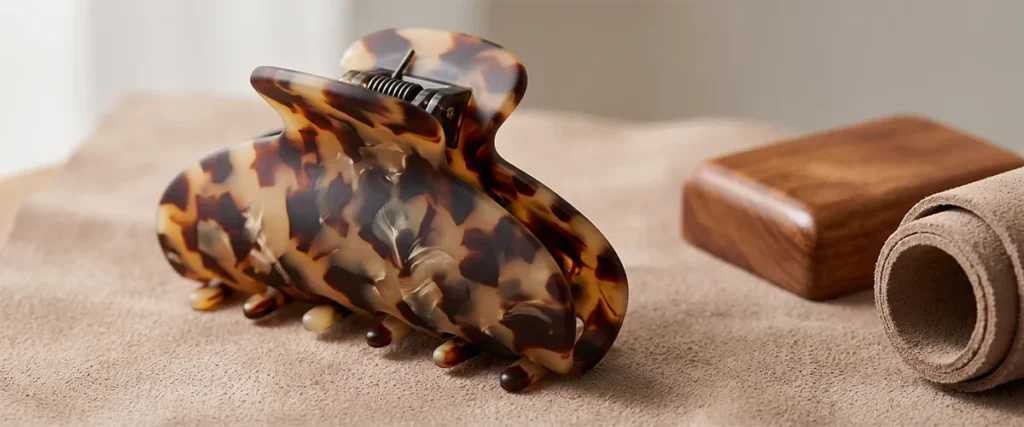
The Practical Difference
| Private label | OEM / custom development | |
|---|---|---|
| The design | An existing shape from the factory catalogue | Developed to your brief |
| What is yours | Your branding, packaging, colourway selection | The design itself, and the tooling you paid for |
| Can a competitor buy the same shape | Yes | No, if exclusivity is agreed |
| Upfront cost | Low — no development, no tooling | Development time, and tooling where the process needs it |
| Speed to market | Fast — the shape already runs | Slower, driven by development and sampling |
| Best for | Testing a market, filling a range, seasonal add-ons | A signature product that defines the brand |
Neither is better. They answer different questions, and most brands need both at different points. The row that matters is the third one. In private label, the shape is not yours. That is not a catch — it is the reason the arrangement is fast and cheap. But brands are routinely surprised to find their bestseller on a competitor’s site in a different colour, and the surprise is avoidable.
What “Yours” Means in Each Case
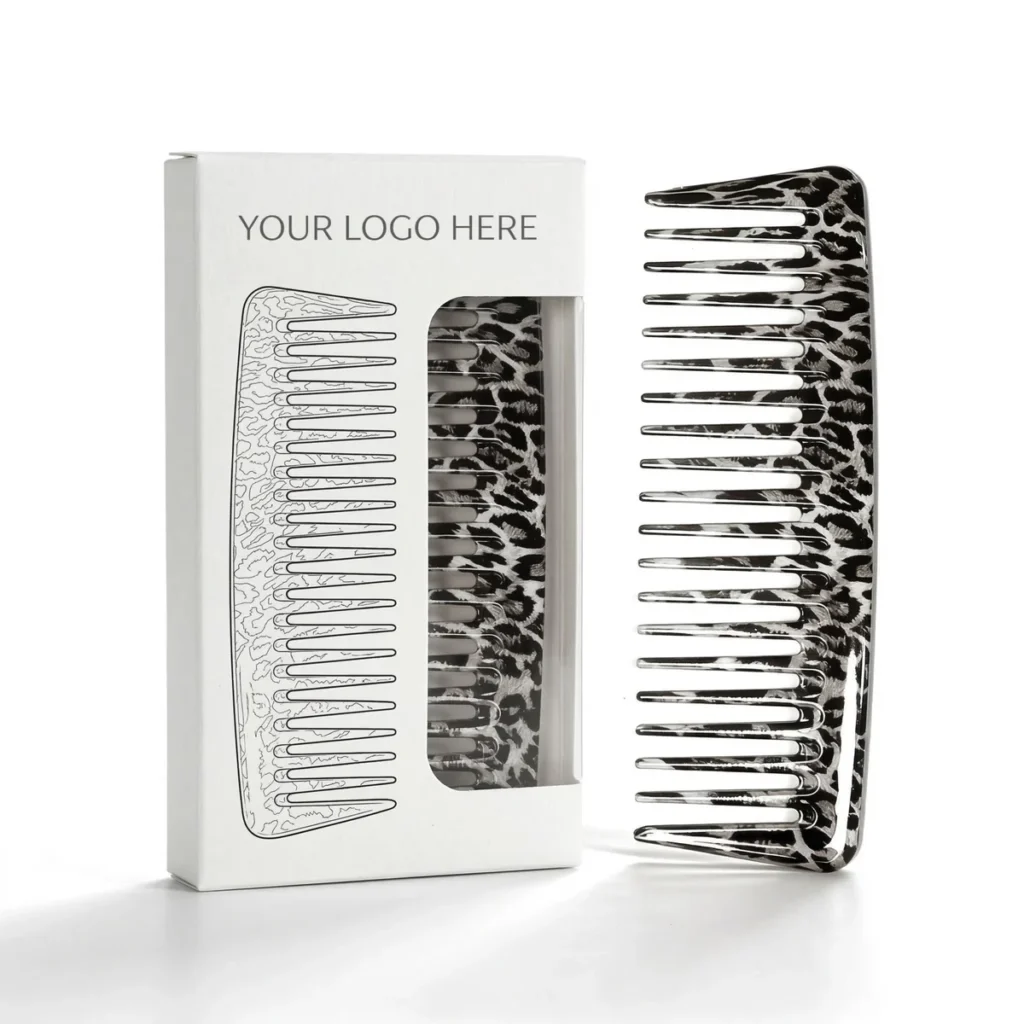
Before you approve branding for an existing shape, agree where the mark sits, what artwork the factory needs and what the minimum applies to. Our custom hair clips with logo guide sets out that hand-off.
In private label
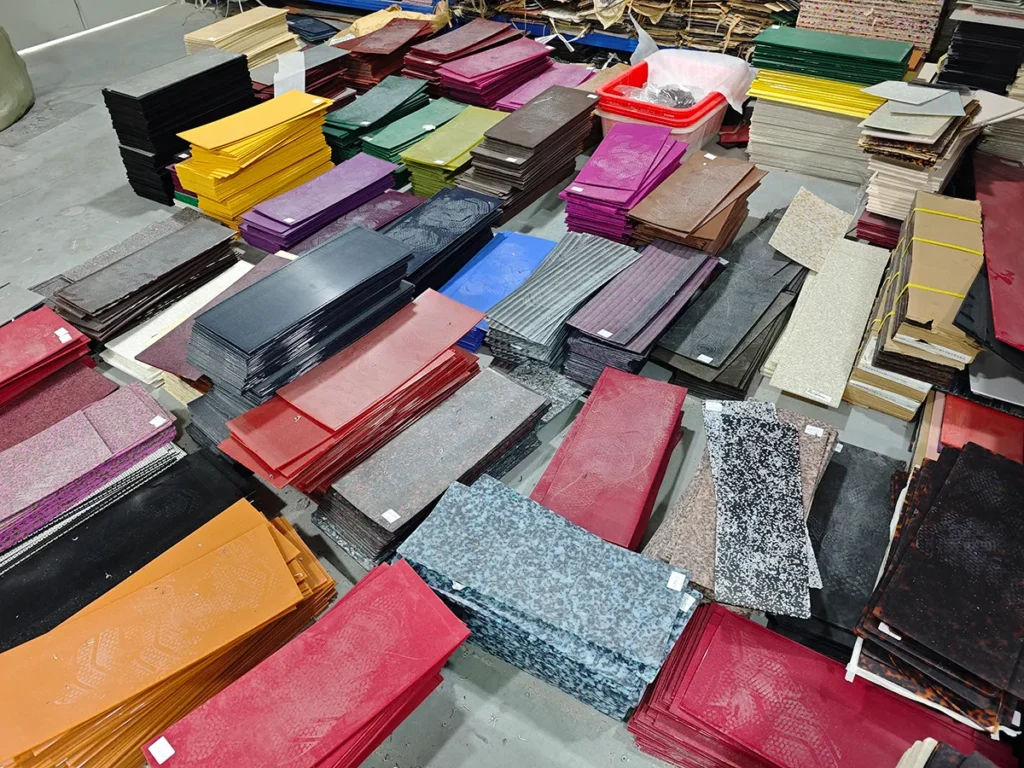
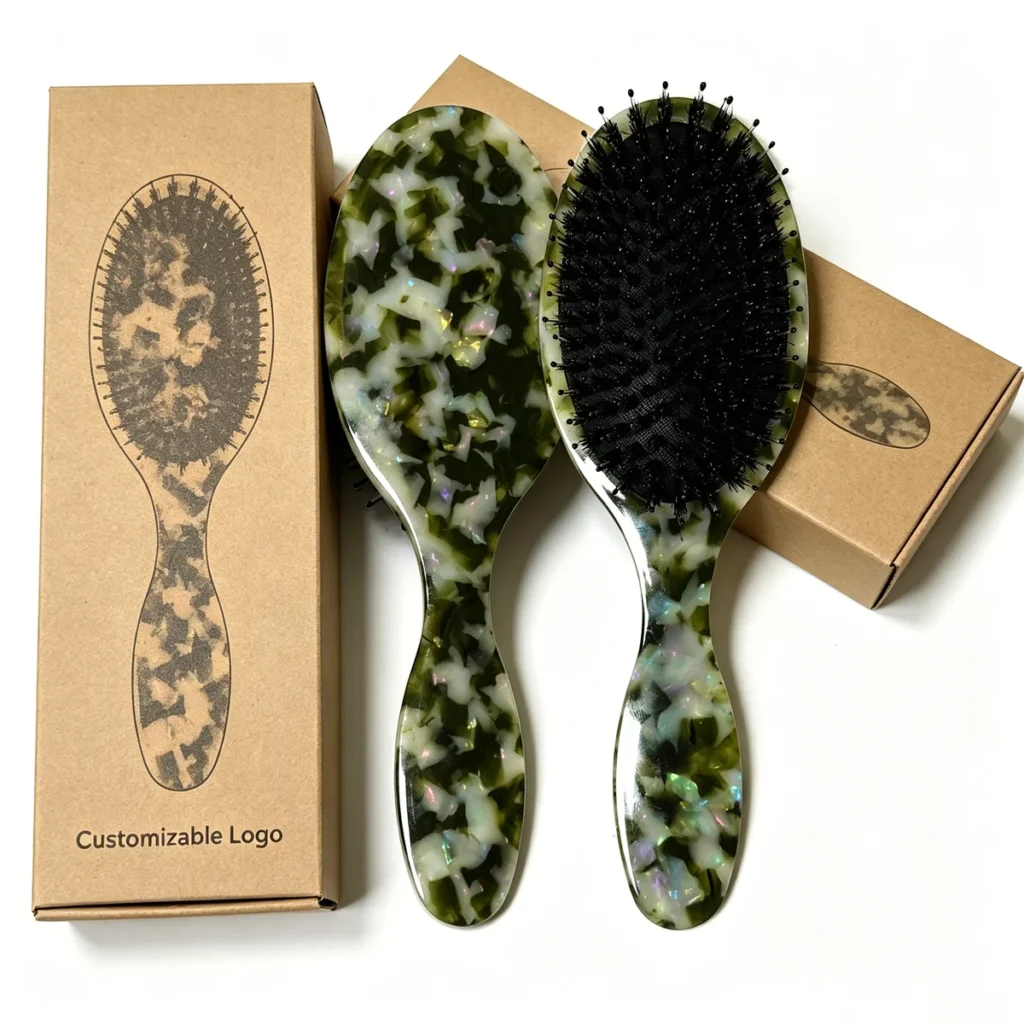
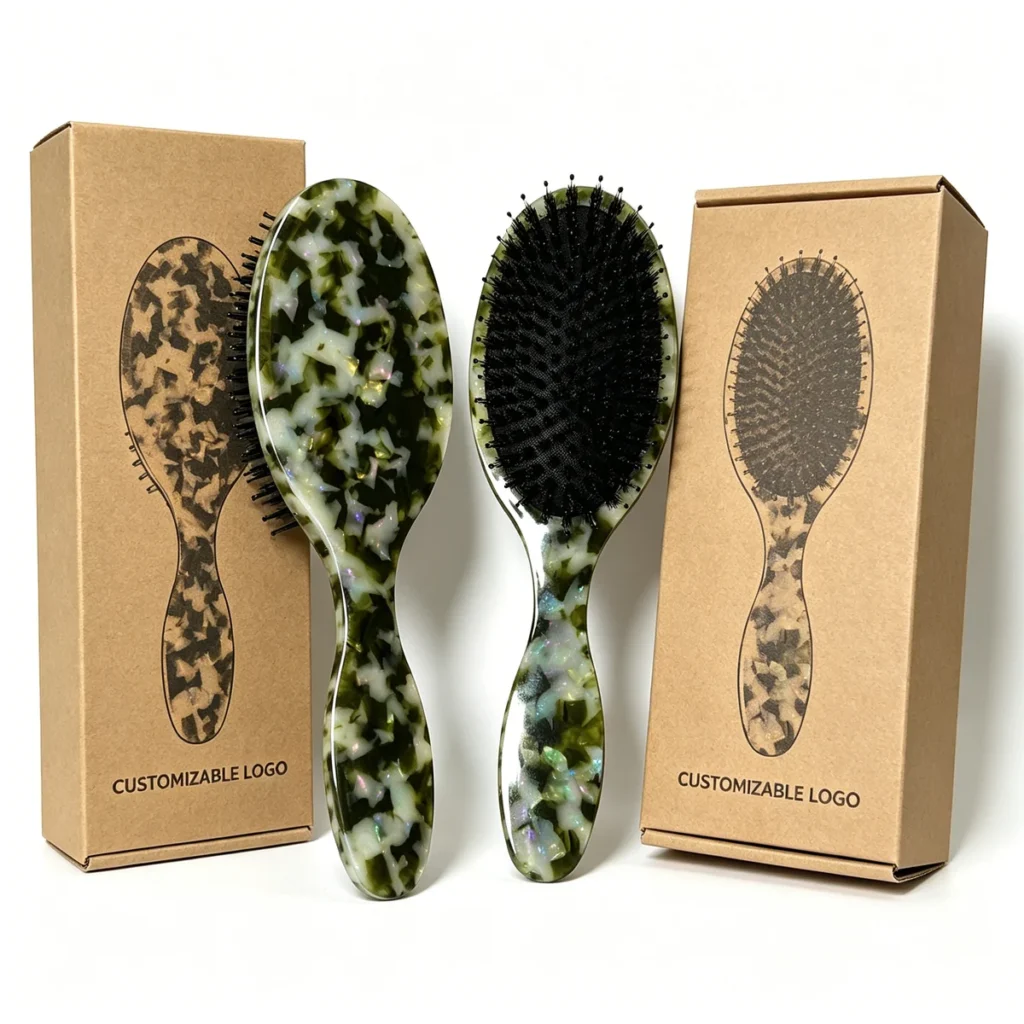
You own your brand, your packaging design, your artwork and your customer relationship. You do not own the shape, and no reasonable supplier will tell you otherwise. What you can often negotiate is a colourway exclusive to you — a specific sheet pattern reserved for your orders. It costs far less than exclusivity on a shape and delivers much of the same visual distinctiveness, because in acetate the pattern is the product’s identity.
In OEM
You own the design you commissioned. And on our side the tooling position is straightforward: if you pay for the tooling, it is yours and it is used exclusively for your orders. It is not quietly reused for another brand with a different logo on the carton.
Get that confirmed in writing, and watch for the difference between two sentences that sound alike: “you own the tool” and “nobody else will be run on it”. Only the second protects the design. The full tooling economics — costs, component count and amortisation — are in our guide to mould costs and ownership.
Acetate Changes the Calculation
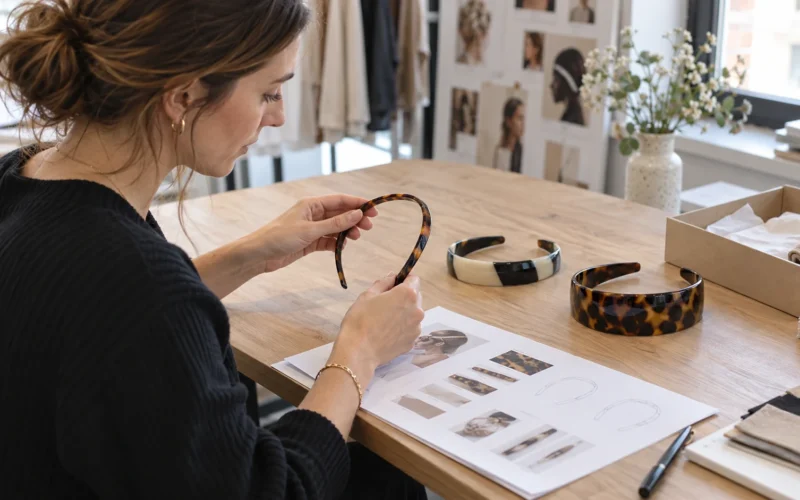
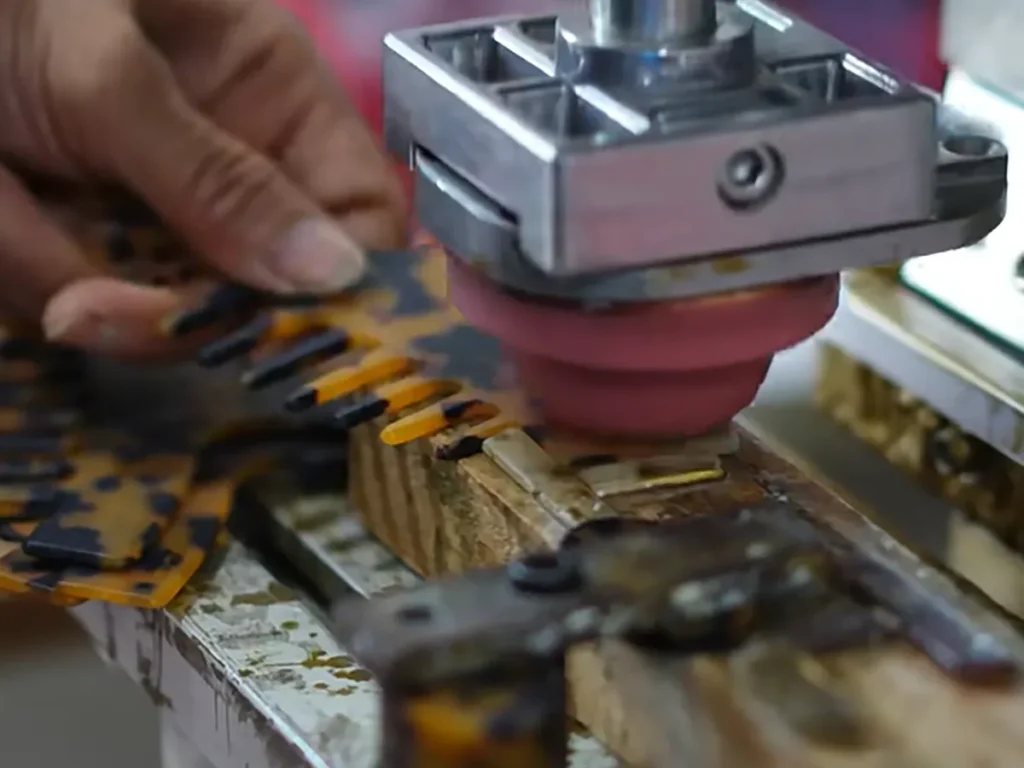
In injection moulding the gap between the two routes is stark, because custom development means committing to steel before you have sold anything. In acetate it is much narrower — a new shape means a new cutting profile rather than an injection tool, so custom development is within reach at a scale that would be impossible in moulded plastic.
This is the practical reason a small acetate brand can own a signature shape while a small plastic brand usually cannot. It is worth knowing before you accept that private label is your only option — it may not be.
A Sensible Sequence
Most brands that get this right do not choose one. They sequence:
- Start private label to learn what your customer actually buys. Real sell-through data beats any forecast.
- Secure an exclusive colourway once a category is working. Cheap, fast, and it makes the range recognisably yours.
- Commission a custom shape only for the product that has earned it — the one that defines the brand.
- Keep filling the range with private label. There is no reason for every SKU to be bespoke, and no customer notices.
The mistake is doing this backwards: commissioning a custom range before you know what sells, then discovering the money went into shapes the market did not want.
Frequently Asked Questions
Can I put my logo on a private label product?
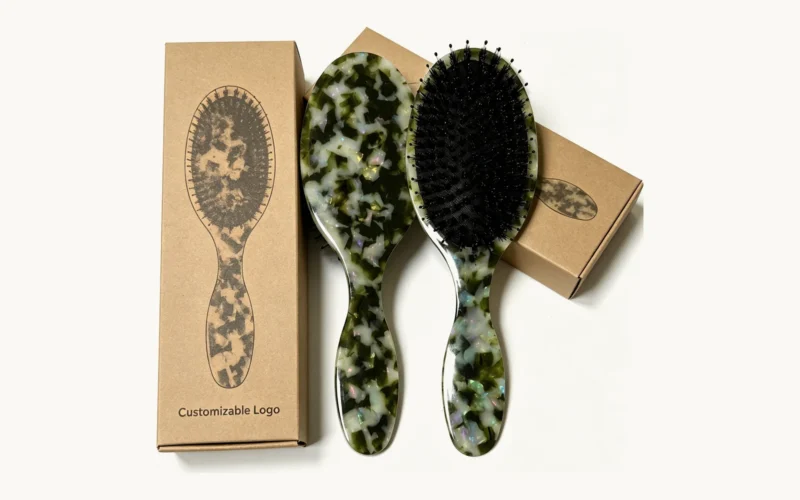
Yes — pad printing, laser engraving, ink fill and branded packaging are all available on catalogue shapes. Branding is what private label is for. The shape stays available to others; your branding does not.
How exclusive is an exclusive colourway?
Ask for the terms in writing — duration, and whether it covers the pattern outright or only within your market. Both structures exist and they are not the same thing.
Is OEM more expensive per piece?
Not necessarily. The unit price depends on shape, material and quantity. What differs is the upfront development and tooling. Once a design is running, a custom shape at volume can price comparably to a catalogue shape.
Do minimums differ between the two?
The production minimums are the same — 500 pcs per design for acetate clips, claws and barrettes; 1,000 for combs, brushes, headbands and hair sticks. What differs is what happens before production. See our breakdown of what sets these minimums.
The Short Version
Private label buys speed and low upfront cost, and the shape stays available to your competitors. OEM buys ownership of a design, and tooling you pay for is used exclusively for you. In acetate the gap between the two is far narrower than in moulded plastic, because a new shape means a cutting profile rather than a steel tool. Start private label, secure an exclusive colourway when a category works, and commission a custom shape only for the product that earns it.
Tell us where you are in that sequence and we will tell you honestly which route fits — including when the answer is that you do not need custom development yet.