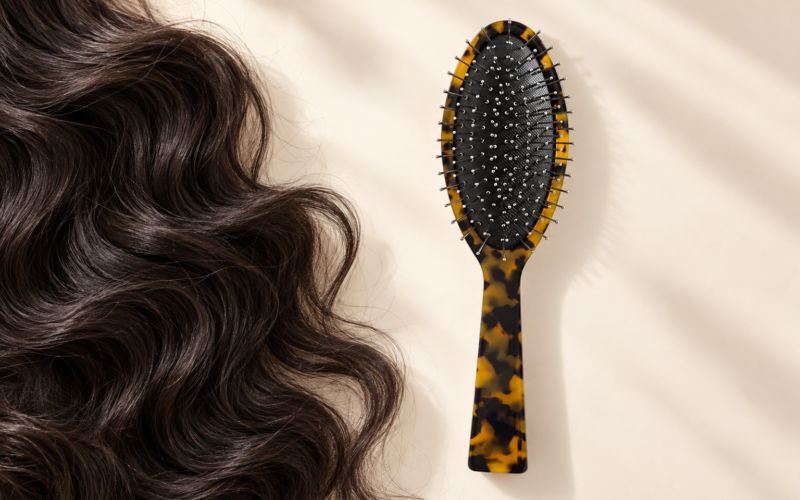
A French barrette is a hair clip built around a hinged metal clasp: a curved decorative plate sits on top of the hair while a spring-loaded bar snaps closed underneath it, gripping a thick section in a single motion. It is the clip most people picture when they think of a “hair barrette” — the shape that has stayed in production since the 1930s while trends around it came and went.
This guide covers what separates a French barrette from other clips, how the sizes work, which materials hold up, and how to choose one for your hair type. If you are sourcing them for a brand rather than buying one, skip to the section on wholesale french barrettes at the end.
What Is a French Barrette, Exactly?
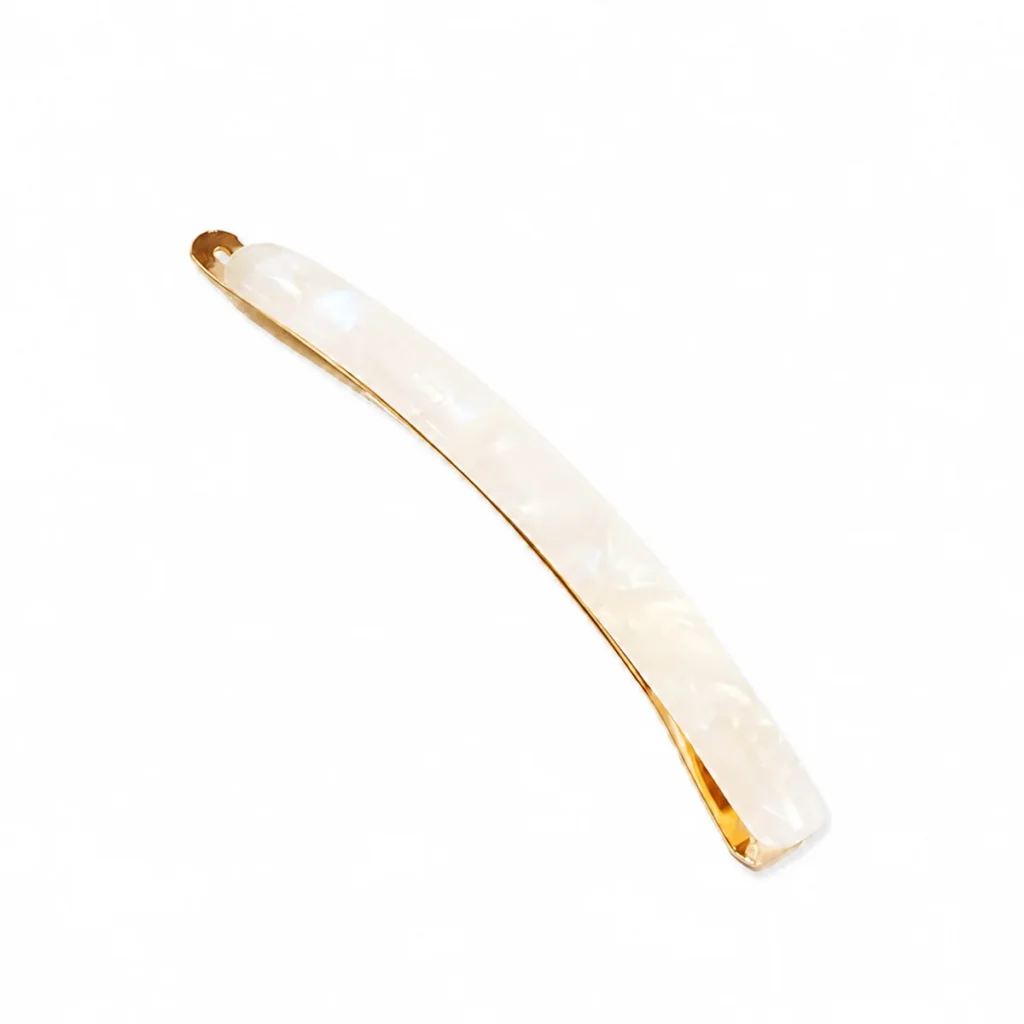
The defining feature is the clasp, not the decoration. A French barrette — sometimes called a French clip or an automatic barrette — uses a two-part mechanism:
- The top plate — a curved piece of acetate, metal, or wood that carries the visual design and follows the shape of the head.
- The spring bar — a flat metal tongue, hinged at one end, that arcs under the hair and clicks into a catch on the opposite side.
Because the bar is under tension, the clip holds by clamping rather than by friction or by teeth. That is why a French barrette can carry a much heavier section of hair than a snap clip of the same size, and why it does not slide loose over the course of a day.
The sprung-jaw family works differently again. A duckbill clip holds by pressing a section flat along a long smooth jaw rather than clamping it between a bar and a plate, which is gentler on fine hair but carries less weight. If you are ordering rather than choosing, wholesale hair barrettes sets out what a quotation should contain and how the minimum compounds once sizes and colours are added. The full map — which clip type holds what, and which one to reach for — is in types of hair clips.
The name comes from the French barrette, meaning “small bar” — a reference to that spring tongue. The style became a Paris fashion staple in the 1930s and has been in continuous production ever since.
French Barrette vs Other Hair Clips
Clips that look similar behave very differently once hair is in them. The table below compares the four most common mechanisms.
| Clip type | Mechanism | Holds best on | Typical failure |
|---|---|---|---|
| French barrette | Hinged spring bar clamps shut | Thick, heavy, straight to wavy hair | Bar loosens after years of use |
| Snap / auto clip | Bent metal strip snaps flat | Fine to medium hair, small sections | Pops open under weight |
| Alligator clip | Toothed jaws on a torsion spring | Sectioning, styling, fine hair | Teeth mark and snag hair |
| Claw clip | Two toothed halves on a spring | Twisted updos, very thick hair | Teeth snap under tension |
The practical takeaway: a French barrette is the right choice when you want a flat, polished silhouette against the head and you are holding real weight. A claw clip is the better pick for a twisted updo where the hair needs to be gathered rather than clamped flat.
French Barrette Sizes and How to Choose
Barrette length is measured across the top plate. Four bands cover almost the entire market:
- Mini, 3–4 cm — single small sections, baby hairs, layered pairs. Popular in sets of two or three.
- Small, 5–6 cm — half-up styles on fine to medium hair; the everyday size.
- Medium, 7–9 cm — the classic. Holds a half-up section on most hair types and anchors a low ponytail.
- Large, 10–12 cm — thick or long hair, full chignons, and statement pieces.
Two rules make the choice simple. First, match length to section width, not to head size — a barrette should span the hair you intend to hold with a little to spare. Second, if your hair is fine but you want a large barrette, look for one with a narrower spring bar; a wide bar in fine hair leaves a visible gap and slips.
What French Barrettes Are Made Of
Cellulose Acetate
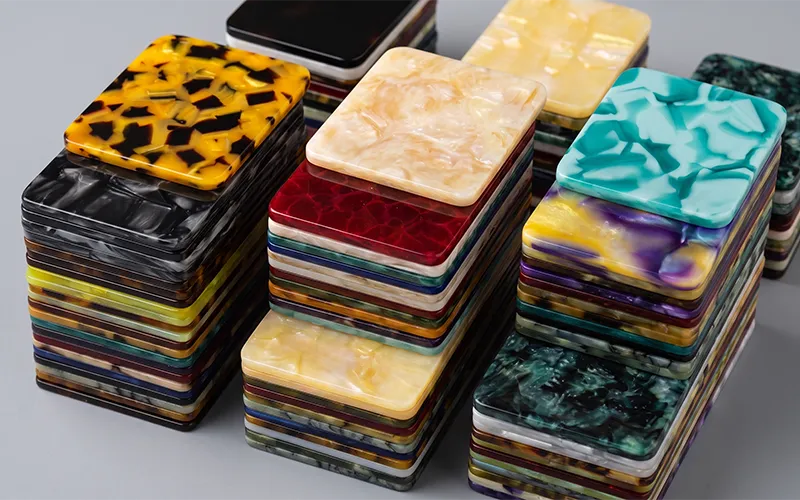
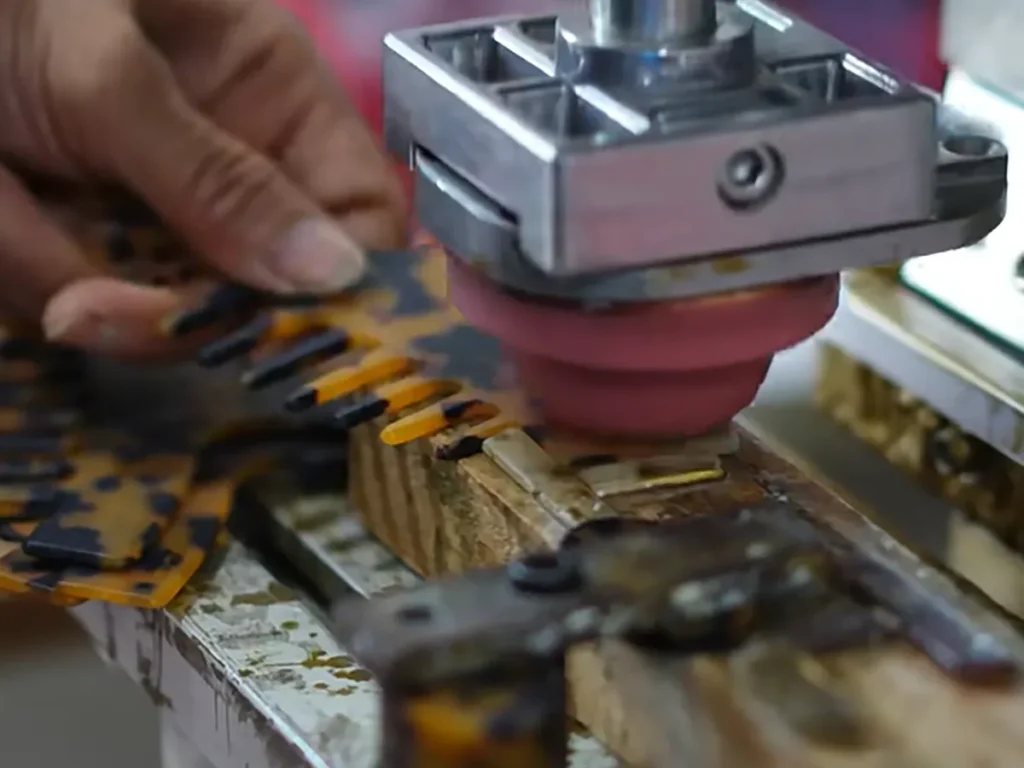
The premium standard. Cellulose acetate is a plant-derived material made from wood pulp or cotton fiber, and its color sits inside the sheet rather than on the surface. That is what produces the depth in a tortoiseshell pattern — light passes into the layers instead of bouncing off a painted coating. Acetate is also dense enough to feel substantial in the hand and warm rather than cold against the head.
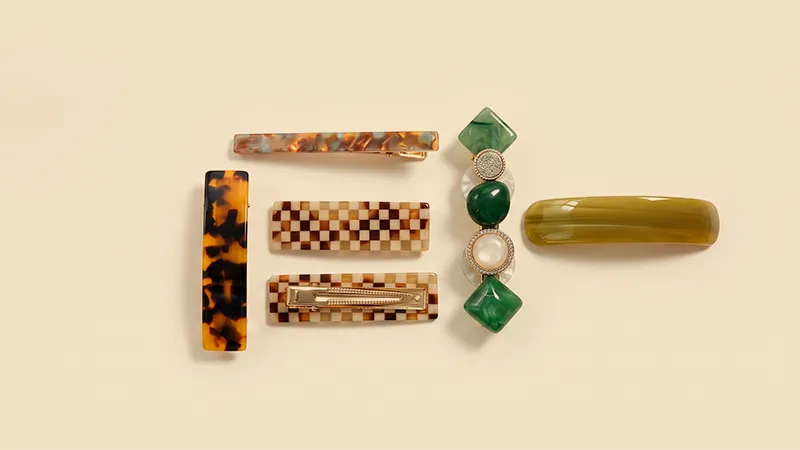
French tortoise hair clips are the signature of the category for a reason: no two pieces cut from a tortoiseshell sheet carry identical figuring, so every barrette is visually unique. You can see how the material behaves across formats on our cellulose acetate collection page.
ABS and Other Plastics
Injection-molded ABS is lighter and far cheaper, and it is what most mass-market barrettes use. Color is either mixed into the pellets or sprayed on, so the finish is uniform and flat, and sprayed surfaces chip at the edges over time. It is a functional material, not a premium one — the difference is obvious the moment the two are held side by side. We cover this comparison in detail in acetate vs plastic hair clips.
Metal and Wood
All-metal barrettes in brass or stainless steel suit minimalist and heirloom positioning, but they conduct heat and cold and can feel harsh on the scalp. Wooden top plates are warm and light, and pair naturally with a matching wooden comb in a gift set — though wood cannot hold fine engraved detail the way acetate can.
One note that applies to every material: the spring bar itself should be stainless or nickel-plated steel. A raw steel bar is the single most common point of failure, because it corrodes with humidity and hair product and eventually stains the hair it touches.
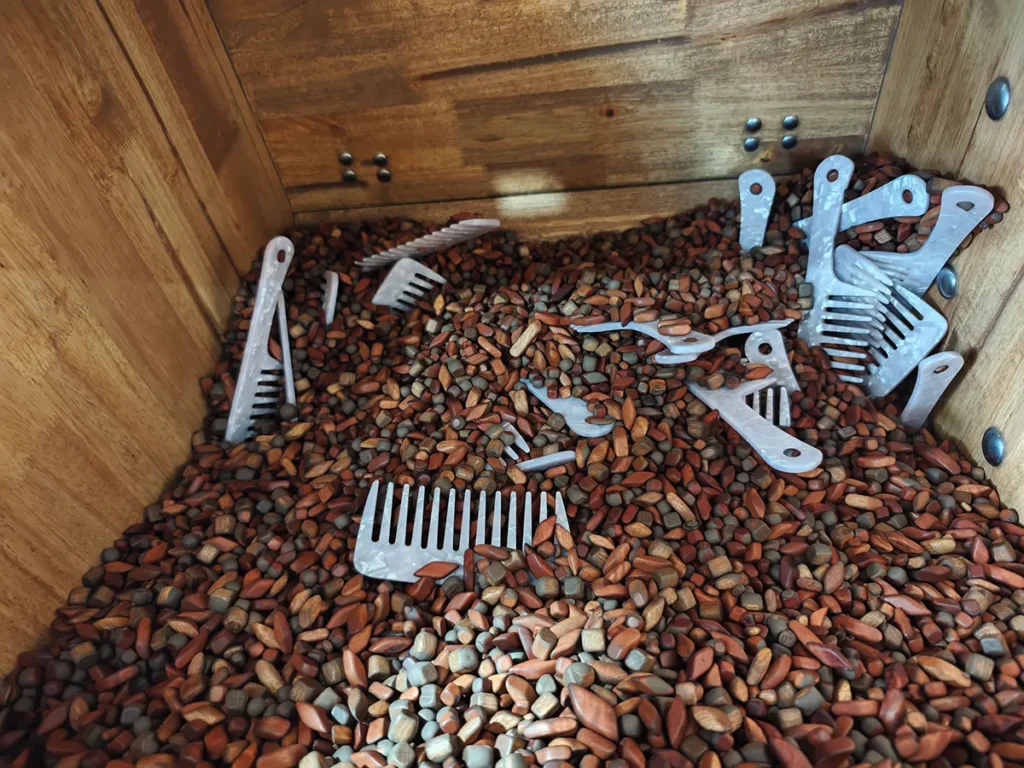
How to Wear a French Barrette
- Classic half-up. Gather the top third of your hair, twist it a quarter turn so it sits flat, and close the barrette over the twist at the crown.
- Low ponytail cover. Tie a low ponytail with a thin elastic, then clip a medium barrette directly over the elastic to hide it.
- Folded chignon. Fold the length of a ponytail up against the head and close a large barrette over the fold — a full updo in one clip, no pins needed.
- Side sweep. Sweep everything to one side and secure just behind the ear with a small barrette.
- Stacked minis. Two or three mini barrettes in a vertical row along one side, worn on second-day hair.
Barrettes grip best on hair with a little texture. On freshly washed, very smooth hair, a light mist of dry shampoo or texture spray at the root will stop the section from sliding out.
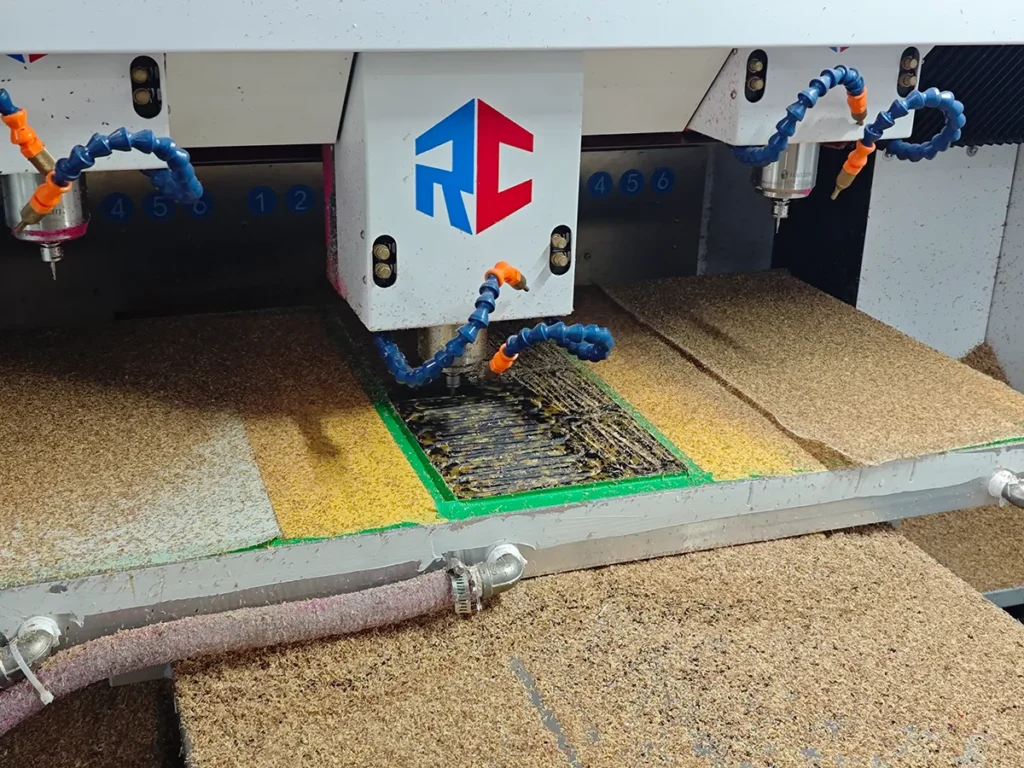
Wholesale French Barrettes for Brands and Retailers
French barrettes are one of the most reliable repeat sellers in a hair accessory line: the shape does not date, the size range creates natural upsells, and tortoiseshell reorders year after year. For brands building a collection, a few production realities are worth knowing early.
- Pattern first, shape second. Acetate is bought as sheet, so the pattern library determines what is possible. One tortoiseshell sheet can produce barrettes, claw clips, and headbands that match exactly across a collection.
- Sizes share tooling within a family. Moving from a 7 cm to a 9 cm plate is usually a tooling adjustment rather than a new mold, so a size ladder is cheaper to launch than four unrelated shapes.
- MOQ. Our acetate hair accessories, including barrettes, start at 500 pcs per design. Mixed patterns of the same shape count toward the same tier.
- Branding. Logos go on by laser engraving, hot foil stamping, or recessed ink-fill on the top plate or the underside of the bar.
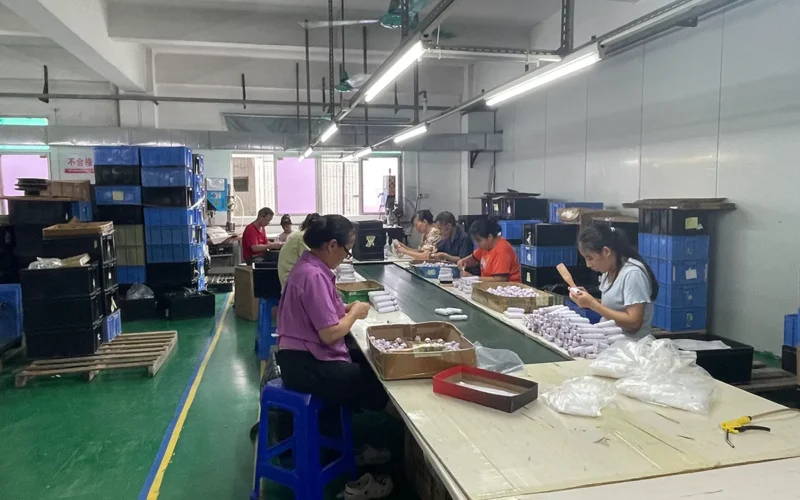
Our own hinged French barrette runs in two profiles — a pointed oval and a rounded bar — in tortoiseshell, pearl and blush acetate, with a riveted spring bar rather than a glued one. See the acetate French barrette for specifications, or browse the full range of shapes, mechanisms and patterns on our hair clips & barrettes page.
Two other shapes carry most of the occasion business. The slim 8.5 cm pavé crystal bar barrette puts a single crystal ball on a 5 mm acetate bar — the bridal and party price point, and the easiest of the three to photograph. The 7.5 cm willow-leaf crystal barrette sets an antique-silver motif on a tapered leaf and runs in six colourways, including tortoiseshell and pearl white. Both share the same 500 pcs minimum as the plain hinged bar, so a three-shape launch does not cost three minimums.
Two more sit either side of that group. The 9 cm tortoiseshell bar is the volume shape — long enough to hold a section across the back of the head rather than decorate one, in four shell tones. The pearl hair barrette answers the other half of the demand, because buyers use that phrase for two different products: a barrette cut from pearlescent sheet, and a barrette with pearls set into it. We run both.
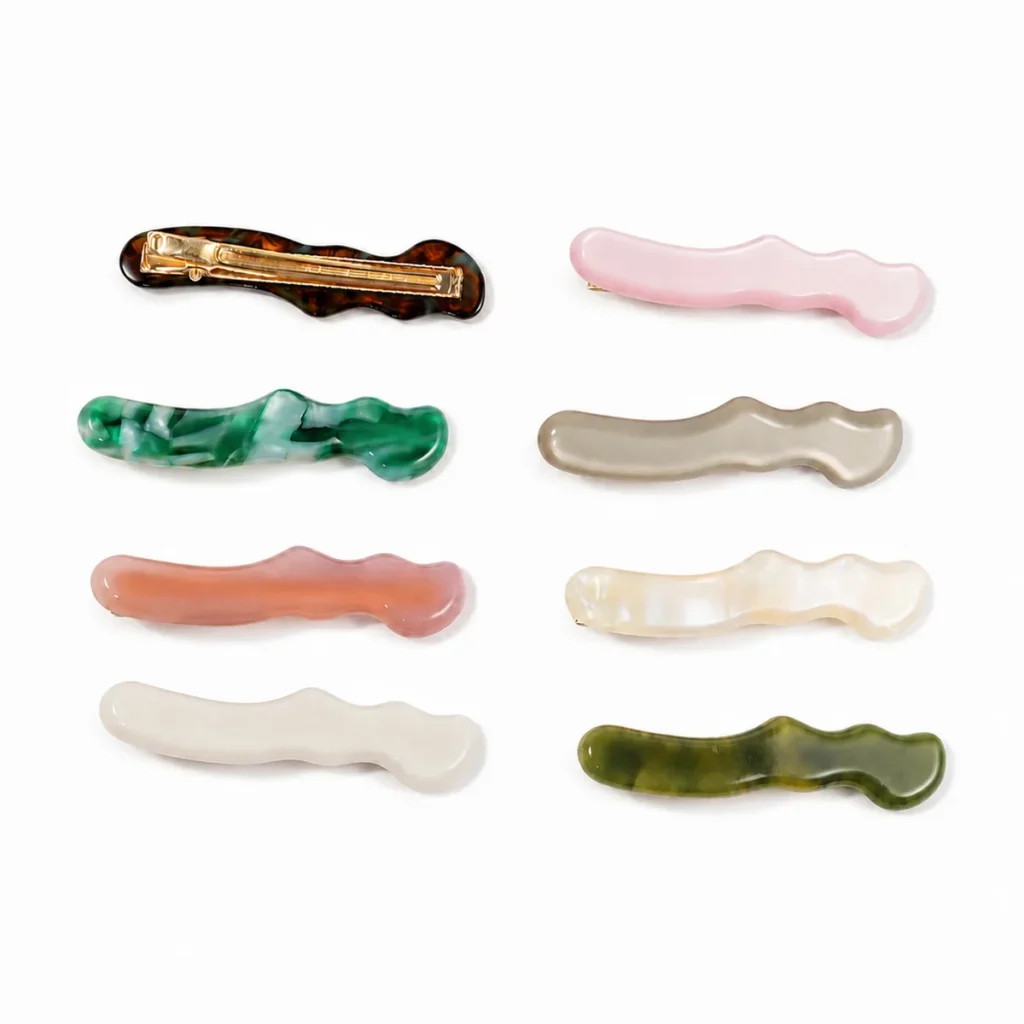
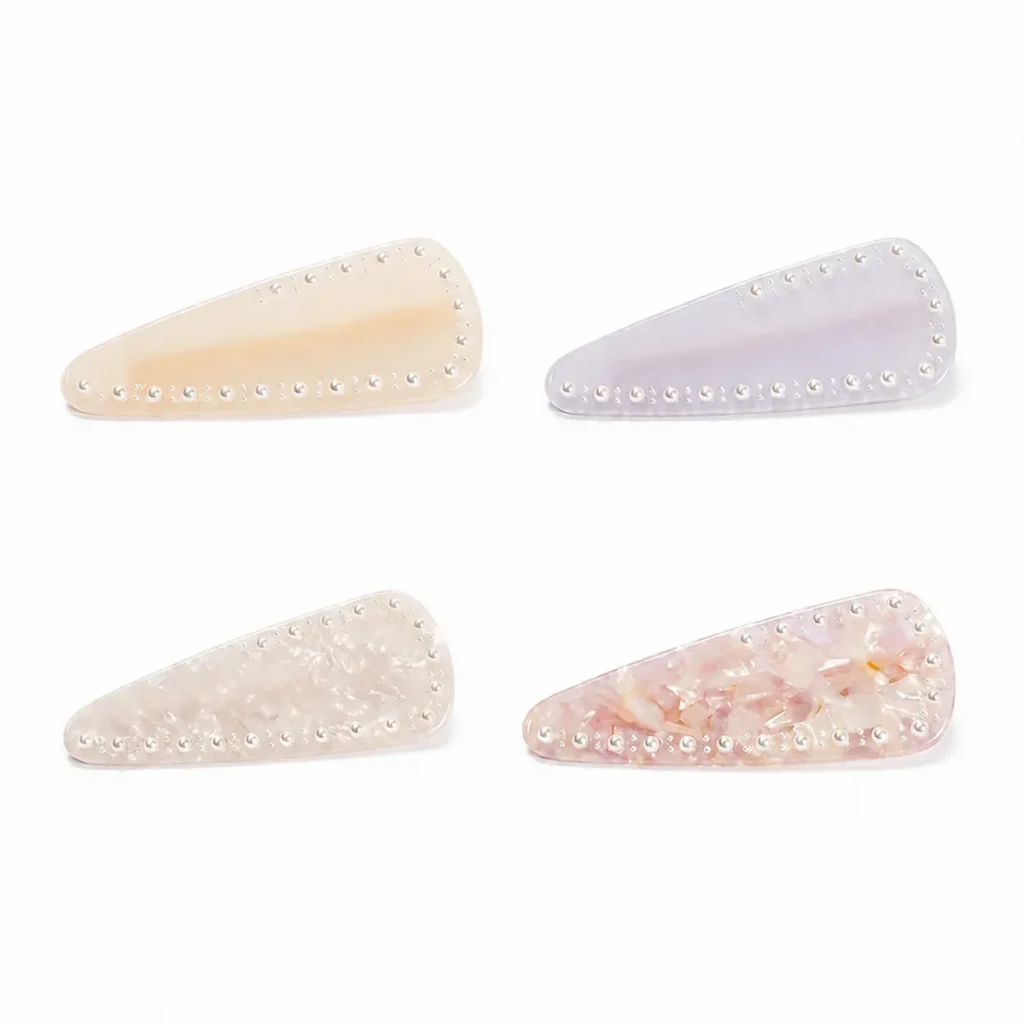
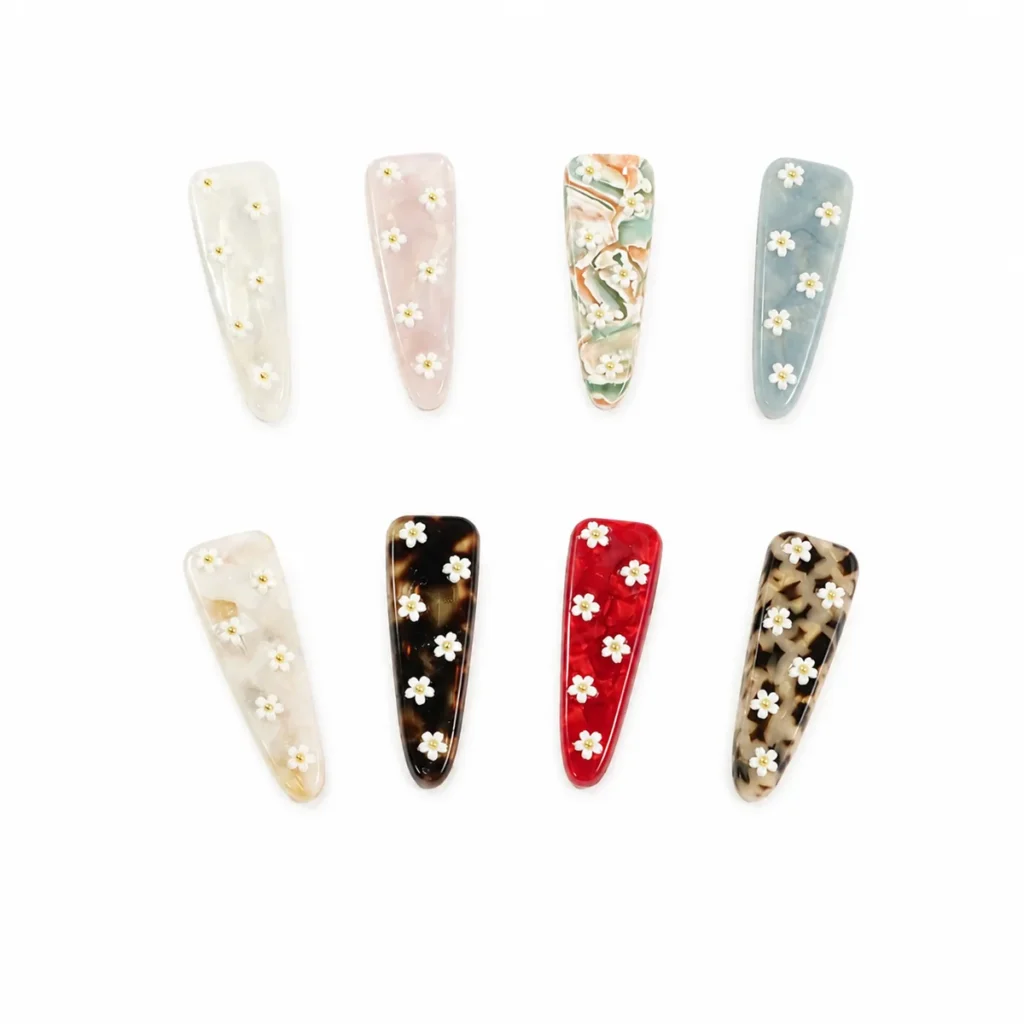
If the brief is everyday rather than occasion, the mechanism usually changes. A snap bar costs less and suits smaller plates — the teardrop, daisy and wavy squiggle clips all run 5.5 to 6.8 cm on the same steel bar — while a sprung duckbill base grips fine hair better than either, as on the slim willow duckbill. The snap-bar side of that choice is covered in our guide to snap hair clips.
Send a reference photo to our OEM services team for a quote within 24 hours. MOQ is 500 pcs per design, and samples run in 15-20 working days.
Frequently Asked Questions
What is the difference between a barrette and a French barrette?
“Barrette” is the general term for any flat decorative hair clip. A French barrette is the specific version with a hinged spring bar that snaps into a catch. All French barrettes are barrettes; most snap clips and alligator clips are not French barrettes.
Do French barrettes damage hair?
Less than most clips, because they clamp a flat section instead of biting into it with teeth. The risk comes from edges, not from the mechanism — an unpolished acetate edge or a burred metal bar will snag. Well-finished barrettes have fully rounded, tumble-polished edges on every surface that touches hair.
What size French barrette do I need for thick hair?
Start at 9 cm. For very thick or long hair, or for a full chignon, go to 10–12 cm and check that the spring bar is wide as well as long — a long bar that is too narrow will bow under the weight.
Are tortoiseshell barrettes made from real tortoise shell?
No. Genuine tortoiseshell has been banned internationally since 1977 under CITES. Today “tortoiseshell” describes a pattern, reproduced in layered cellulose acetate — a plant-derived material with no animal content.
Can French barrettes be made with a custom logo?
Yes. Laser engraving, hot foil stamping, and recessed ink-fill all work on acetate, and the metal bar can be stamped as well. Custom branding is available from 500 pcs per design.
Acetate Barrettes and Clips We Make